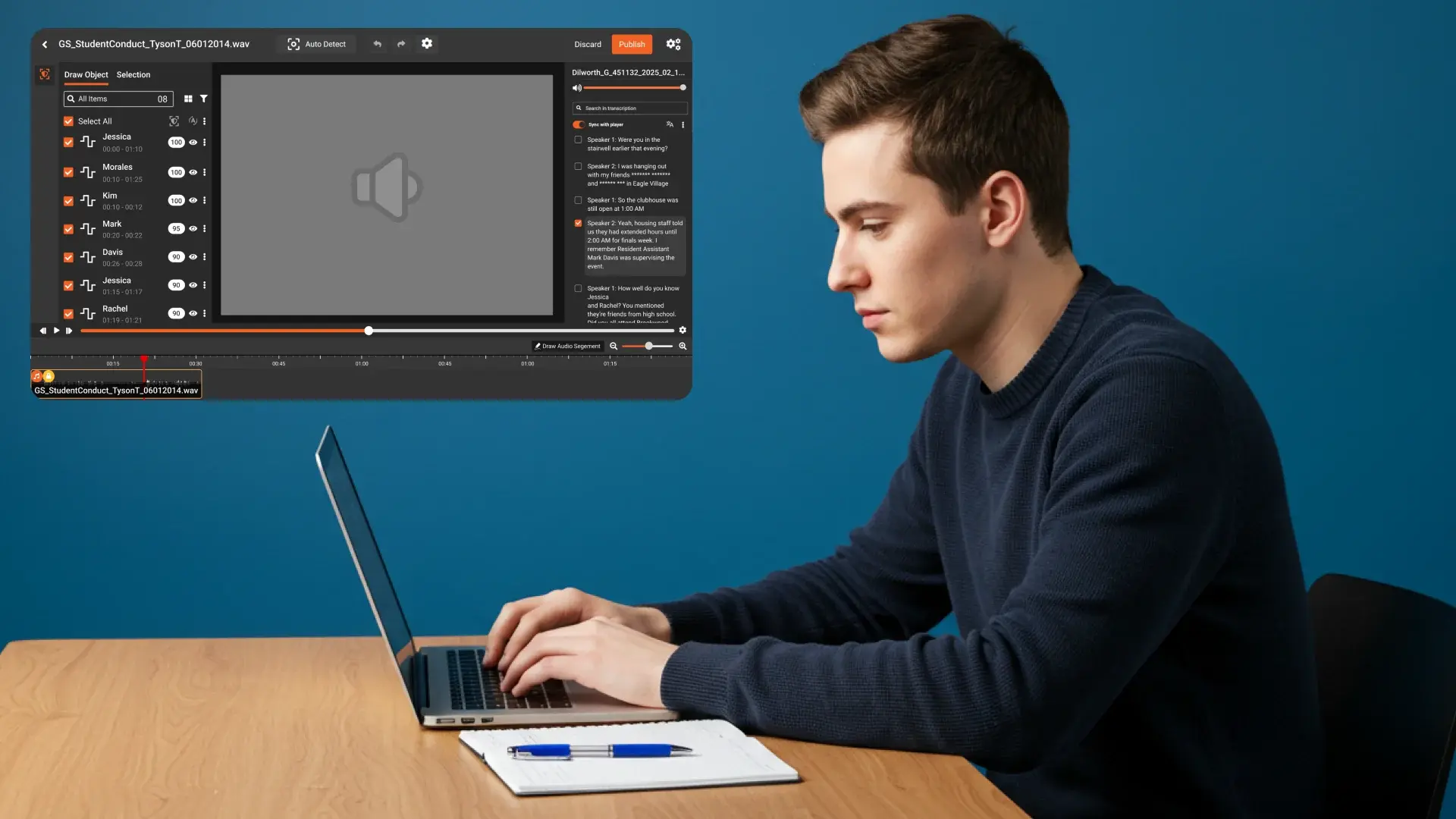
Organizations today generate a significant volume of recorded customer calls, with Voice continuing to be the dominant customer service channel, with phone calls remaining a primary method of interaction in contact centers, according to industry statistics reported by CMSWire, according to industry research across sales, support, service, and verification operations. These recordings are essential for training, quality assurance, performance optimization, dispute resolution, and internal audits. However, they often contain sensitive personal, financial, and identity-related information that should not be stored in raw form.
As regulatory requirements grow stricter and customer expectations around privacy increase, recorded calls have become one of the highest-risk data assets for organizations to maintain. Automated audio redaction is emerging as the most practical and reliable way to remove sensitive information from these recordings while preserving their operational value.
The Increasing Compliance Challenge in Recorded Calls
Whenever organizations record customer interactions, there is a high chance that sensitive information will be disclosed during the conversation. This can happen during routine processes such as account setup, troubleshooting, customer verification, onboarding, and payment handling.
Sensitive data commonly captured in call recordings includes:
- Credit and debit card numbers
- CVV or security codes
- Bank account information
- Social Security numbers
- Government identification details
- Date of birth
- Names
- Email addresses
- Phone numbers
- Home or billing addresses
- Passwords, PINs, and security questions
Even if secure payment systems or external workflows are used, identity verification steps often require speaking about sensitive information aloud. Once captured in recorded calls, this data becomes subject to PCI DSS.
Key Pain Points Organizations Face with Recorded Calls
High Risk of Storing Financial and Personal Data
Call recordings may inadvertently store cardholder data or personally identifiable information. Retaining such data in its original form violates PCI DSS and other regulations, exposing organizations to penalties, failed audits, legal consequences, and reputational damage.
Large Volumes of Calls Make Manual Review Impossible
Many organizations record hundreds or thousands of calls each week, with the average customer support or service call typically lasting between 3 to 8 minutes, depending on the industry and complexity of the interaction. Reviewing each recording manually to locate and remove sensitive data is time-consuming, expensive, and highly prone to human error.
Inconsistent Manual Processes
Human reviewers may miss details, apply redactions inconsistently, or fail to follow standard guidelines. In compliance-driven environments, inconsistency is a major risk.
Risk Increases When Recordings Are Archived Long Term
Recordings stored for months or years may be accessed by more employees, transferred across systems, or duplicated in multiple storage platforms. As recordings age, the risk increases if sensitive information remains unredacted.
Training, Quality Assurance, and Internal Use Cases Need Clean Data
Recordings are essential for coaching and evaluation, but internal teams should not be exposed to unnecessary personal or financial details. Unredacted recordings limit their safe use within the organization.
Legal and Regulatory Requests Highlight Stored Risks
During audits, investigations, or legal discoveries, unredacted recordings can significantly complicate the process and expose sensitive customer data unnecessarily. Redacted versions reduce liability during external review processes.
Why Automated Audio Redaction Is Essential
Automated redaction uses AI to analyze audio recordings, detect sensitive data, and apply masking consistently and at scale. It eliminates the operational burden of manual review and ensures that compliance requirements are met across all call recordings.
Key reasons automated redaction is now essential:
- Automatically detects sensitive speech patterns
- Ensures consistent and complete redaction
- Works across high call volumes with minimal human intervention
- Reduces compliance risk and avoids regulatory violations
- Saves time and operational cost
- Generates audit-ready logs and redaction reports
With automated redaction, organizations can continue recording calls without increasing their risk of exposure.
What Automated Audio Redaction Typically Includes
Sensitive Data Detection
AI identifies and classifies sensitive content, including:
- Payment information
- Account numbers
- Personal identity data
- Contact details
- Authentication questions
- Government identifiers
Detection is applied across both audio and transcripts.
Flexible Redaction Methods
Organizations can choose:
- Muting
- Bleeping
- Text masking in transcripts
Automated Workflows
Recordings can be automatically processed:
- Immediately after they are captured
- On a schedule
- When uploaded to a specific folder
- In bulk for historical archives
Comprehensive Reporting
Automated systems generate reports indicating:
- What data was detected
- Where it appeared
- What was redacted
- Relevant timestamps
These reports support audits and compliance documentation.
Common Use Cases Where Automated Redaction Adds Value
Payment or Billing Calls
Any conversation containing payment card information must be redacted before storage.
Identity Verification
Agents often confirm dates of birth, addresses, or identification numbers. Automated redaction removes these disclosures instantly.
High-Volume Support Operations
Organizations with many daily calls cannot scale manual review. Automation ensures every recording is processed without exception.
Training and Internal Review
Redacted recordings allow quality assurance, coaching, and training teams to review calls safely.
Compliance Audits and Legal Requests
During an audit or legal process, redacted recordings reduce the risk of exposing unnecessary customer data.
VIDIZMO Redactor: A Dedicated Solution for Automated Audio Redaction
To address these challenges, organizations need a specialized and enterprise-ready redaction platform. VIDIZMO Redactor provides a comprehensive solution designed for compliance, scalability, and efficiency in audio, video, image, and document redaction.
Key Capabilities of VIDIZMO Redactor
Multi-Format Redaction in a Single Platform
VIDIZMO Redactor handles audio, video, images, and documents within one unified system. This allows organizations to manage all sensitive media consistently across different formats.
AI-Powered Detection of Sensitive Data
The platform uses advanced AI and speech recognition to automatically detect:
- PCI-related speech
- PII such as names, addresses, DOBs
- Financial information
- Other sensitive patterns
Multiple Redaction Methods
VIDIZMO allows organizations to define how redactions appear:
- Mute or silence sensitive audio
- Bleep specific speech segments
- Mask transcript text
- Blur or block sensitive elements in video or images
High-Volume and Bulk Processing
For organizations that generate large batches of recorded calls or need to redact historical archives, VIDIZMO supports fast and scalable bulk processing without manual intervention.
Flexible Deployment Options
VIDIZMO Redactor supports:
- SaaS deployments
- Private or public cloud
- Government cloud
- Full on-premises deployments
- Hybrid environments
This ensures alignment with internal IT, data residency, and regulatory requirements.
Compliance and Governance Features
The platform provides:
- Redaction audit logs
- Metadata indexing
- Access controls and permissions
These capabilities help organizations demonstrate compliance with PCI DSS, CCPA, GDPR, HIPAA, and other regulations.
Automatic and API-Driven Workflows
VIDIZMO supports automation triggers and offers APIs for integration into existing systems. New recordings can be processed automatically using predefined policies and routed to secure storage without manual work.
Start your Free Trial Today - No Credit Card Needed

Conclusion
Recorded customer conversations carry significant operational value, but they also introduce compliance risks when sensitive information is captured and stored unredacted. Manual processes are no longer feasible for modern organizations dealing with growing call volumes and complex regulatory requirements.
Automated audio redaction provides the most efficient, scalable, and reliable method to eliminate PCI and PII exposure in recorded calls. With a comprehensive solution like VIDIZMO Redactor, organizations can ensure consistent compliance, streamline operations, and confidently manage their recorded communications without putting sensitive customer information at risk.
This approach not only protects the organization but also enables teams to use recordings safely for training, quality assurance, audits, and analytics.
FAQ
Frequently Asked Questions
Does automated audio redaction work in real time or only after a call ends?
Automated audio redaction typically processes recordings post-call, immediately after capture, on a scheduled basis, or in bulk for historical archives. Most enterprise platforms like VIDIZMO Redactor also support API-driven triggers, so new recordings can be routed and redacted automatically without any manual steps.
What types of sensitive data can automated audio redaction detect in call recordings?
Automated redaction tools detect a wide range of PCI and PII data including credit card numbers, CVV codes, bank account details, Social Security numbers, dates of birth, names, addresses, and authentication answers. Detection is applied across both the audio track and the generated transcript for complete coverage.
How does automated audio redaction help with PCI DSS compliance?
PCI DSS requires that cardholder data not be stored in raw, accessible form. Automated redaction removes payment-related speech from recordings before or immediately after storage, eliminating the risk of retaining prohibited data. It also generates audit logs and redaction reports that directly support compliance documentation and external audits.
Is manual redaction of call recordings still viable for high-volume contact centers?
No. Organizations recording hundreds or thousands of calls per week cannot scale manual review without significant cost, inconsistency, and human error. Manual processes also increase the risk of missed redactions in compliance-critical environments. Automated redaction processes every recording consistently, regardless of volume.
Can redacted call recordings still be used for training and quality assurance?
Yes. Redacted recordings retain the full conversational context while removing sensitive data, making them safe for internal use across coaching, quality assurance, and performance review teams. This allows organizations to get full operational value from their recordings without exposing employees to unnecessary personal or financial information.
TopicsAudio Redaction
About the author
Zain Noor is a Product Marketing Executive at VIDIZMO with expertise in AI redaction technology. He focuses on how public safety agencies, government bodies, and commercial organizations adopt and operationalize video intelligence at scale.
You may also like
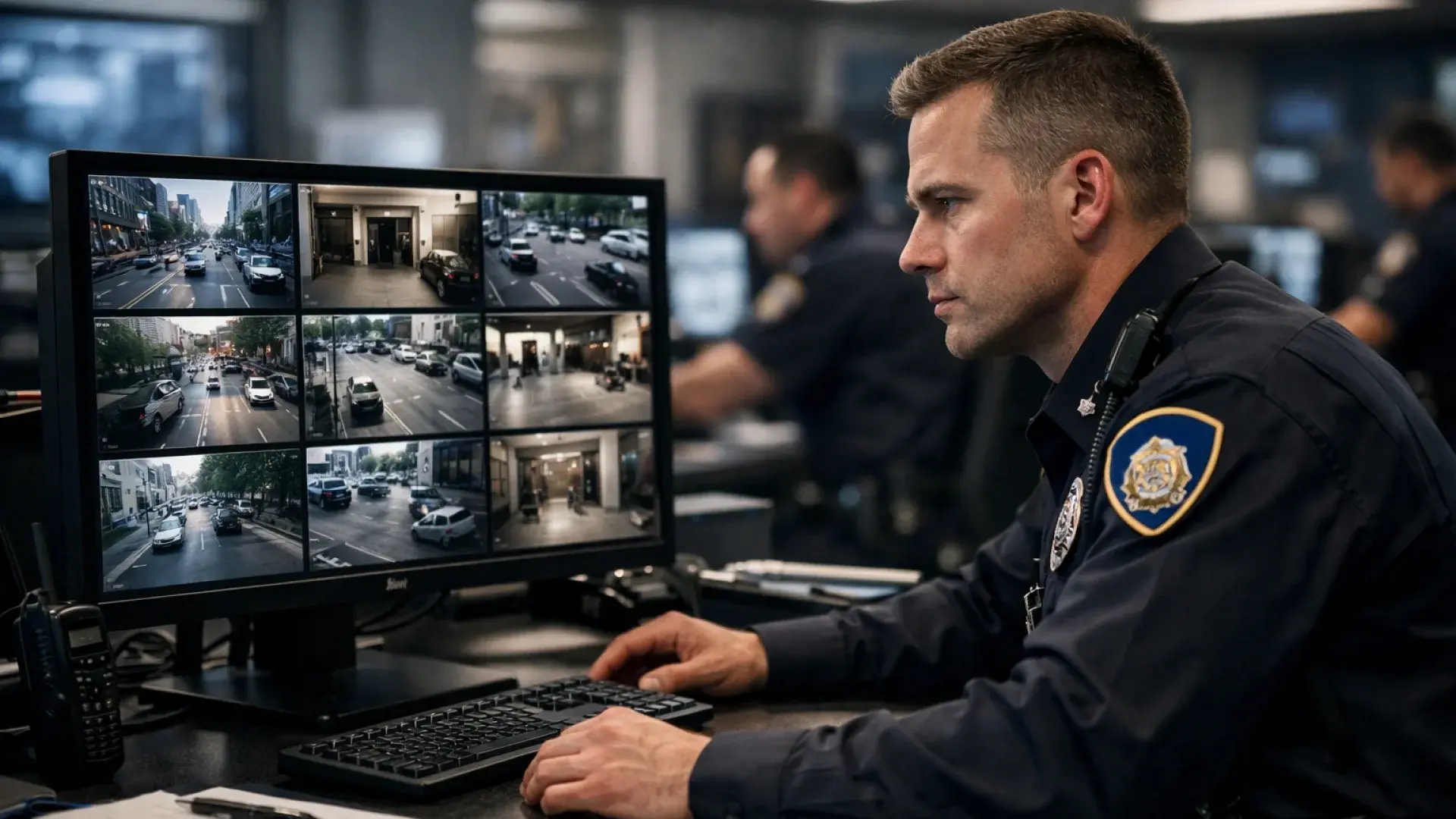
Video Redaction Best Practices: Motion, Frame Rates, Tracking and Failing Safe
I led our video redaction project for a county public safety agency where two people handled every disclosure, and ...
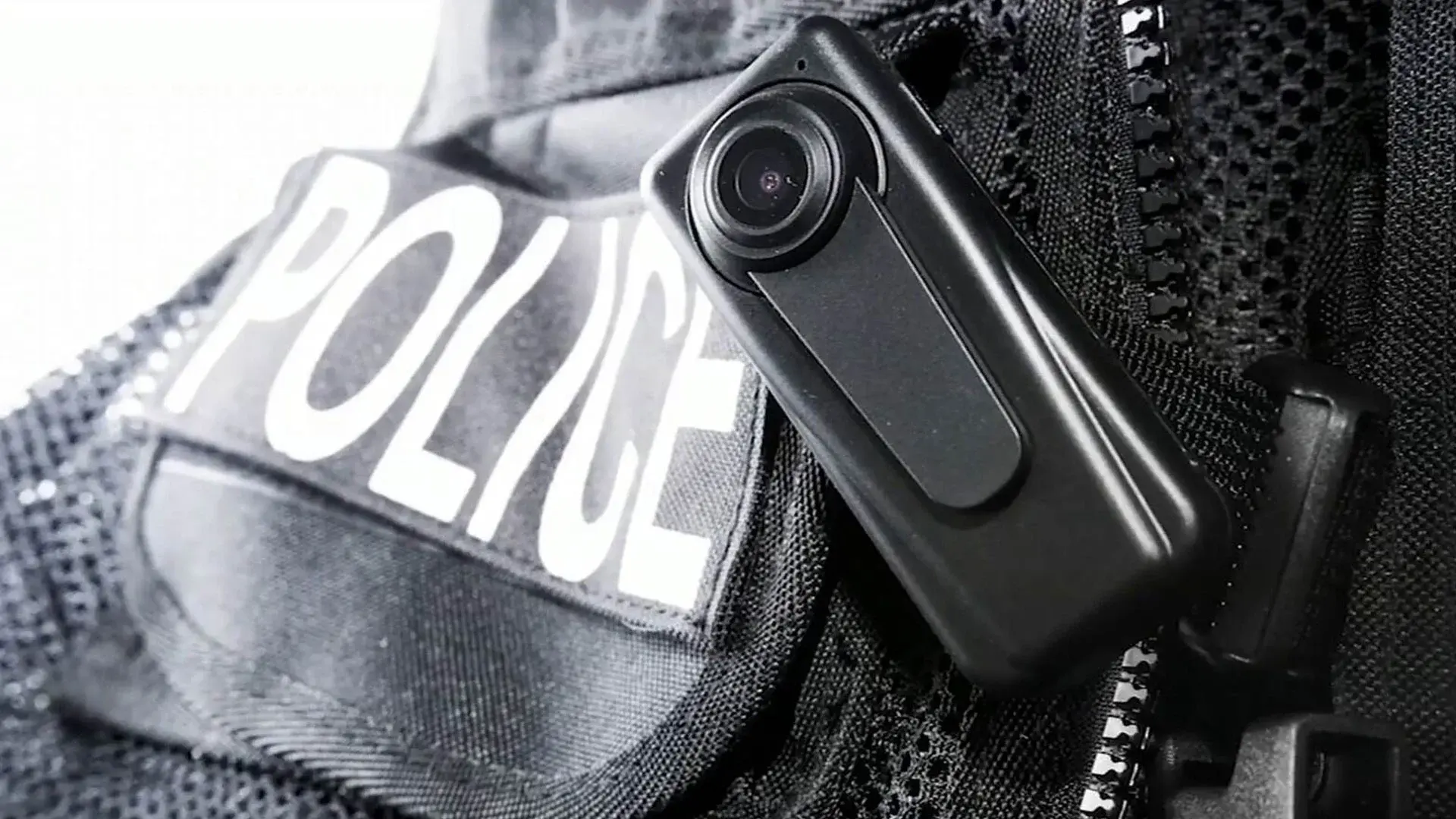
Redacting Dash Cam, Body Cam and Drone Footage From a Moving Camera
A fleet claims manager preparing crash footage for an insurer and defense counsel is doing a different job from a ...
Why Frame-Rate Headers Lie: Redacting Variable Frame Rate Video
A video file keeps time frame by frame, and the frames-per-second figure a player displays is a summary of that timing, ...