
How Redaction Has Evolved Beyond PDF Documents
Redaction has evolved far beyond manually hiding text in PDF documents. In 2026, organizations handle sensitive information across documents, video, audio, and images—often at enterprise scale. That data includes PII, PHI, faces, license plates, and sensitive speech, which must be accurately and permanently removed to meet privacy and regulatory requirements.
As data volumes grow and AI-driven exposure increases, redaction is now a core compliance and governance function, not just a document-editing task.
As data volumes grow and AI-driven data exposure increases, redaction has become a core compliance and governance function, not just a document-editing task.
What Adobe Redaction Does Well
Adobe redaction tools gained widespread adoption because they effectively addressed early document security needs. Key strengths include:
- A familiar and easy-to-use interface for PDF users
- Seamless integration into PDF-centric workflows
- Permanent removal of selected text from documents
- Reliability for low-volume, manual redaction tasks
For individuals or teams working primarily with static PDF documents, Adobe redaction remains a functional and accessible option.
Best Adobe Redaction Alternative in 2026 (Quick Answer)
Adobe Acrobat’s redaction features work well for manual, PDF-only redaction at low volume. But for enterprises managing sensitive data across multiple formats, Adobe’s approach often falls short because it lacks:
- Video redaction (faces, license plates, objects)
- Audio redaction (spoken PII/PHI)
- AI-based detection for sensitive entities and patterns
- Enterprise governance (policy enforcement, approvals, role-based access)
- Auditability at scale (standardized workflows and reporting)
For regulated organizations, modern AI redaction platforms are designed to detect and redact sensitive content across formats while maintaining policy consistency, audit trails, and scalable workflows.
Key Limitations of Adobe Redaction in 2026
As organizational data environments have evolved, several critical limitations of Adobe redaction have become increasingly apparent.
Manual Redaction Increases Risk of Data Exposure
Adobe redaction relies heavily on users to manually identify and select sensitive information. This approach is time-consuming, does not scale, and significantly increases the risk of human error—one of the leading causes of data leaks and compliance violations.
Adobe Redaction Is Limited to Documents
Modern organizations handle sensitive information far beyond PDFs. Adobe redaction does not support:
- Video redaction (faces, license plates, objects)
- Audio redaction (spoken PII or PHI)
- Image redaction beyond basic document use cases
This limitation makes Adobe unsuitable for industries such as law enforcement, healthcare, government, and enterprises managing multimedia data.
No AI-Based Detection of Sensitive Data
Adobe redaction lacks AI-driven detection for:
- PII and PHI
- Names, IDs, or sensitive patterns
- Faces, objects, or spoken information
Without automated detection, organizations must rely on manual review, which limits scalability and increases operational cost.
Gaps in Compliance, Governance, and Auditability
Modern regulations such as GDPR, HIPAA, CJIS, FOIA, and data protection laws require more than simple redaction. Organizations must demonstrate:
- Consistent redaction policies
- Centralized governance
- Detailed audit trails
Adobe redaction does not provide built-in compliance workflows, enterprise governance controls, or centralized audit logging required by regulated industries.
What Modern AI Redaction Software Offers Instead
Modern redaction software is designed for today’s complex, multi-format data landscape. Key capabilities include:
- AI-powered detection of sensitive text, faces, objects, and speech
- Automated redaction across documents, video, audio, and images
- Reduced human error through intelligent automation
- Enterprise-grade audit trails and governance controls
- True data removal rather than visual masking
These capabilities allow organizations to scale redaction workflows securely while meeting strict compliance requirements
Why Redaction Is Now a Compliance and Governance Requirement
In 2026, redaction is no longer optional or purely security-driven. It is a mandatory compliance function. Organizations must ensure that sensitive information is:
- Accurately identified
- Permanently removed
- Auditable across its lifecycle
- Governed through enforceable policies
Legacy tools that focus only on document-level redaction lack the centralized controls and accountability required for modern regulatory environments.
VIDIZMO Redactor: An AI-Powered Enterprise Redaction Platform
VIDIZMO Redactor is purpose-built to address modern redaction challenges through a single, AI-powered platform. Unlike traditional document-centric tools, it supports multi-format redaction at enterprise scale.
With VIDIZMO Redactor, organizations can:
- Automatically detect and redact sensitive information using AI
- Redact documents, video, audio, and images in one platform
- Reduce manual effort while improving accuracy
- Maintain detailed audit trails for compliance and governance
- Scale redaction workflows across departments and systems
VIDIZMO Redactor ensures sensitive information is securely and irreversibly removed, not simply hidden.
Start your Free Trial Today - No Credit Card Needed

Conclusion
Adobe redaction played an important role in early PDF security workflows. But modern organizations face broader privacy, compliance, and governance requirements across documents, video, audio, and images.
For enterprises managing sensitive information at scale, modern AI-powered redaction platforms like VIDIZMO Redactor provide the automation, consistency, audit readiness, and multi-format support that legacy document-only tools can no longer deliver.
FAQ
Frequently Asked Questions
Is Adobe redaction secure?
Adobe redaction securely removes selected text from PDFs but relies on manual identification, which increases the risk of missed sensitive data.
Does Adobe support video or audio redaction?
No. Adobe redaction is limited to document-based workflows and does not support video, audio, or advanced image redaction.
What is AI-powered redaction?
AI-powered redaction uses machine learning to automatically detect and remove sensitive text, faces, objects, and speech, reducing human error and improving scalability.
What is the best Adobe redaction alternative for enterprises?
Organizations managing sensitive data across multiple formats and compliance frameworks require AI-powered redaction platforms such as VIDIZMO Redactor.
TopicsRedaction
About the author
Zain Noor is a Product Marketing Executive at VIDIZMO with expertise in AI redaction technology. He focuses on how public safety agencies, government bodies, and commercial organizations adopt and operationalize video intelligence at scale.
You may also like

Video Redaction Best Practices: Motion, Frame Rates, Tracking and Failing Safe
I led our video redaction project for a county public safety agency where two people handled every disclosure, and ...
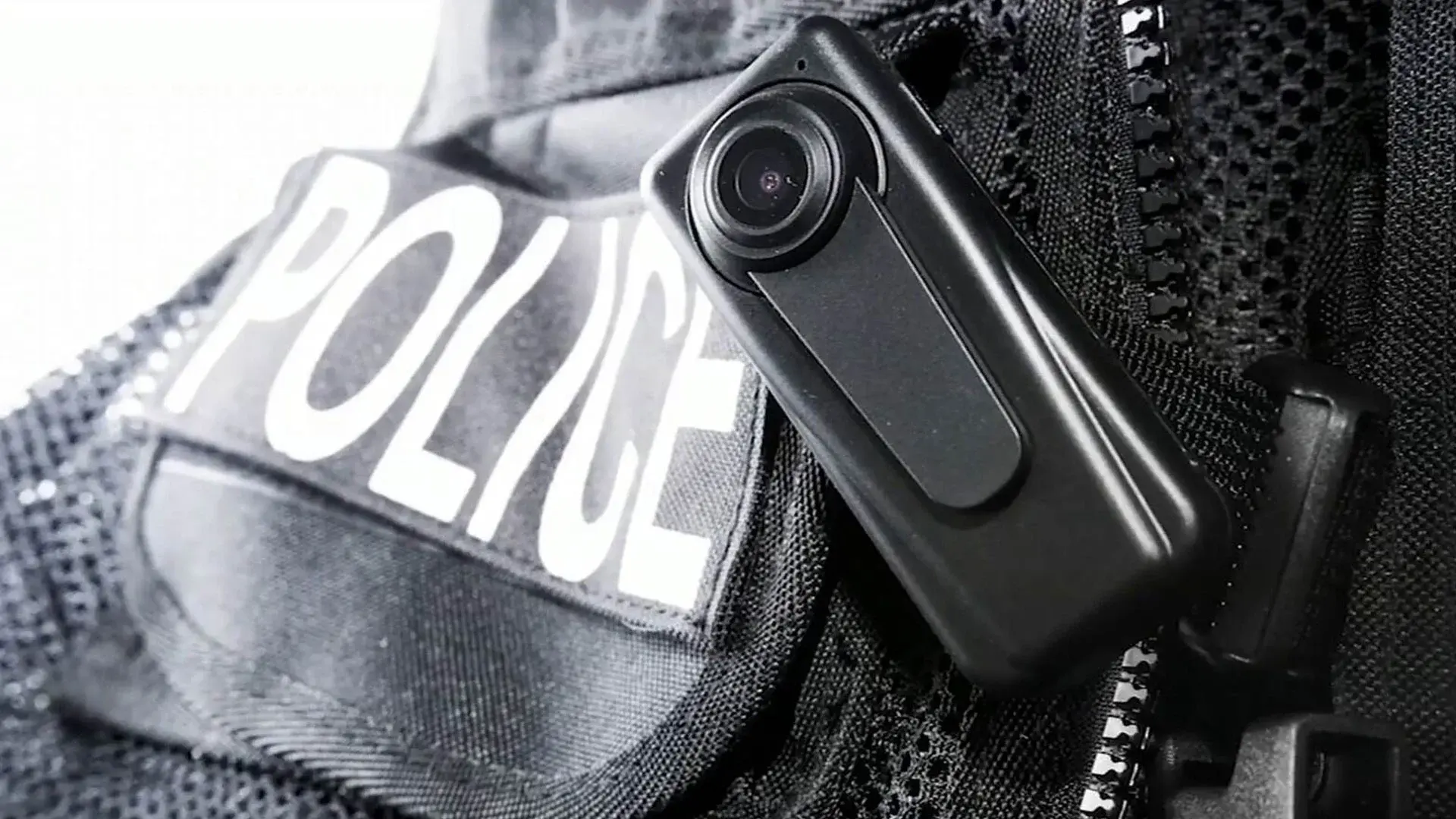
Redacting Dash Cam, Body Cam and Drone Footage From a Moving Camera
A fleet claims manager preparing crash footage for an insurer and defense counsel is doing a different job from a ...

Why Frame-Rate Headers Lie: Redacting Variable Frame Rate Video
A video file keeps time frame by frame, and the frames-per-second figure a player displays is a summary of that timing, ...