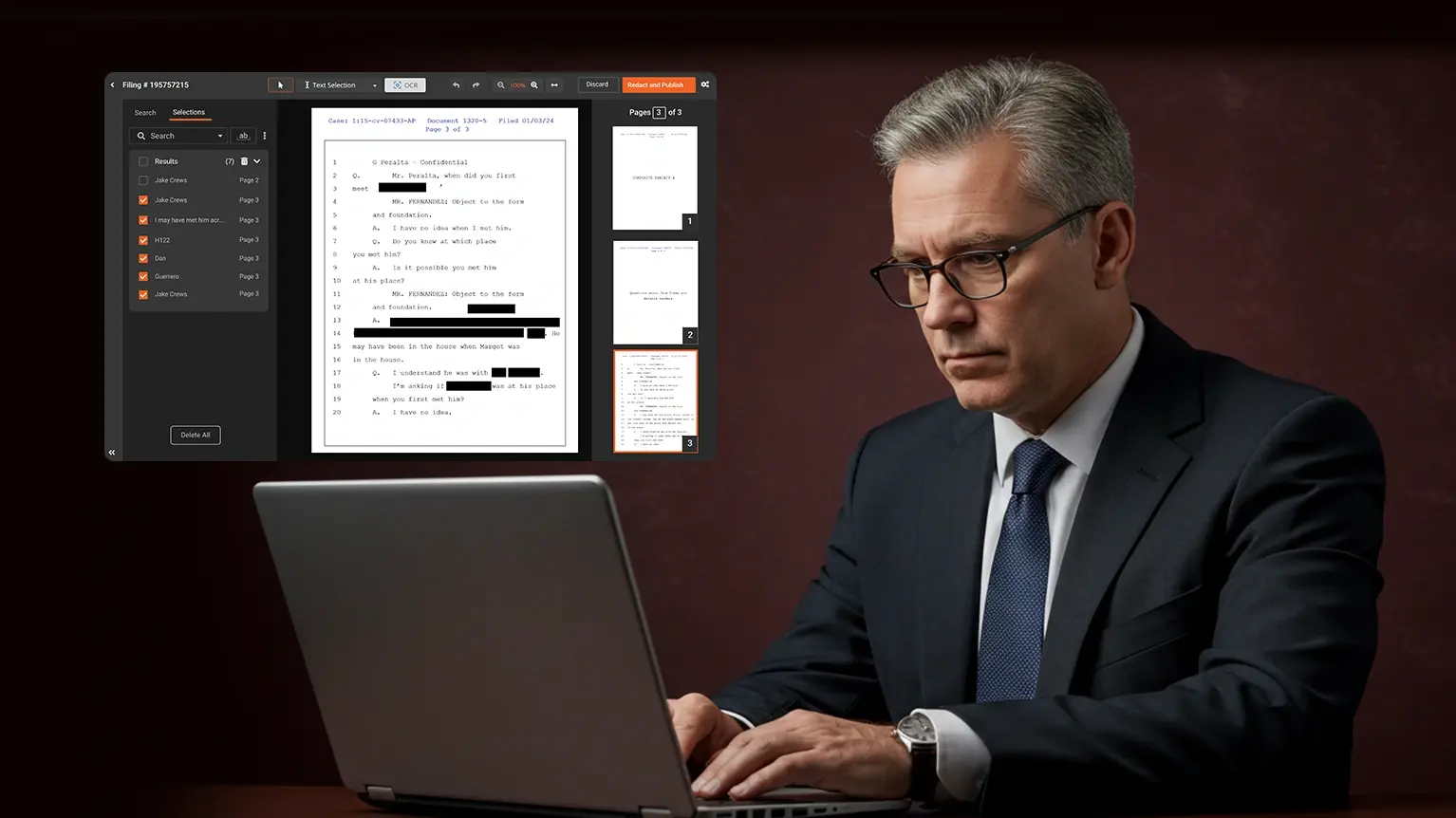
Why Legal Document Redaction Is Now a Compliance Risk
Legal documents carry some of the most sensitive information an organization handle. Names, addresses, identification numbers, financial details, and confidential case information are often embedded across pages.
Redaction is no longer limited to contracts or agreements. Today, teams must redact investigation records, public filings, FOIA-related disclosures, litigation materials, and regulatory documents. These documents are often shared externally, reviewed by regulators, or released to the public.
In this environment, choosing the best redaction software for legal documents is not about convenience. It is about reducing risk, meeting compliance obligations, and protecting trust.
Why Redacting Legal Documents Is High-Risk
Redacting legal documents leaves little room for error.
Missed PII and Confidential Data Exposure
One missed name, address, or identifier can expose private individuals or sensitive cases. Once released, the damage cannot be undone.
Legal, Regulatory, and Reputational Consequences
Improper redaction can lead to regulatory penalties, legal challenges, and loss of credibility. In compliance-driven environments, mistakes are often public and permanent.
Why Manual and Basic Tools Fail
Manual redaction and basic document tools rely on human attention alone. Under time pressure and high volume, mistakes happen. These tools also lack defensibility when decisions are questioned.
This is why compliance teams focus on defensible redaction, not just redaction that looks correct.
What Compliance-Ready Legal Document Redaction Requires
Not all redaction tools meet compliance standards. Teams evaluating legal document redaction software should look for these core requirements.
Accurate Detection of Sensitive Text
Redaction software must reliably identify names, addresses, identification numbers, and financial data. Missed detection creates immediate exposure.
Support for Structured and Unstructured Documents
Legal documents come in many formats, including forms, reports, scanned files, and mixed layouts. Redaction must work across all of them.
Consistency Across Large Document Sets
FOIA responses, investigations, and litigation often involve dozens or hundreds of documents. Redaction standards must be applied consistently.
Human Review and Override Controls
Automation should support reviewers, not replace them. Teams must be able to verify and adjust redactions before release.
Audit Logs for Defensibility
Every redaction action should be logged. Audit trails are essential for appeals, disputes, and court review.
Ability to Re-Redact When Requirements Change
Legal requirements evolve. Teams need the ability to reprocess documents without starting from scratch.
See how compliance-ready redaction workflows work.
Manual vs Automated Redaction for Legal Documents
Many teams hesitate to automate redaction because legal work feels too sensitive. In practice, automation reduces risk when used correctly.
Challenges with Manual Redaction
Manual review leads to fatigue, inconsistency, and slow turnaround times. These issues become more severe as document volume grows.
How Automated Document Redaction Helps
Automated document redaction improves accuracy by applying detection consistently. It speeds up processing while keeping human reviewers in control. Audit logs strengthen defensibility.
Automation does not remove oversight. It reduces repetitive work and lowers the chance of costly mistakes.
Legal Document Redaction in Real-World Workflows
Legal document redaction rarely happens in isolation. It is usually part of a broader compliance process.
Documents are redacted as part of FOIA and public records requests. They support investigations and enforcement actions. They are reviewed during regulatory audits. They are shared alongside video and audio evidence in litigation.
This is why compliance document redaction must integrate with larger workflows, not exist as a standalone task.
How Teams Use VIDIZMO REDACTOR for Legal Document Redaction
Teams handling sensitive legal records need redaction workflows that are accurate, reviewable, and defensible. Purpose-built tools support this need without disrupting control.
With VIDIZMO REDACTOR, teams can:
- Upload legal documents in original formats
- Automatically detect sensitive text
- Review and adjust redactions before release
- Generate audit trails for accountability
- Re-redact documents when appeals or revisions occur
This approach supports compliance without relying solely on manual effort.
Explore document and video redaction workflows
What to Look for When Choosing Redaction Software for Legal Documents
When evaluating the best redaction software for legal documents, high-intent buyers should look for:
- Accuracy across different document types
- Ability to scale for large requests or cases
- Strong auditability and defensibility
- Integration with video and audio redaction
- Flexible deployment options, including cloud or on-prem
These factors matter more than surface-level features.
Common Mistakes Legal Teams Make When Redacting Documents
Even experienced teams fall into risky patterns.
Some rely on basic document editors that offer no audit history. Others apply inconsistent redaction standards across reviewers. Many lack a way to efficiently reprocess documents when requirements change.
These gaps increase exposure and slow response times.
Conclusion
Legal document redaction is not an editing task. It is a compliance function.
Purpose-built document redaction software reduces risk, improves control, and supports defensible workflows. This becomes especially critical when documents are tied to FOIA requests, investigations, or public disclosures.
For compliance-driven teams, the right redaction software is part of doing the job correctly.

FAQ
Frequently Asked Questions
What is the difference between manual and automated redaction for legal documents?
Manual redaction depends entirely on human attention, which creates fatigue, inconsistency, and slower turnaround under high document volume. Automated redaction applies detection rules consistently across every document, reducing the chance of missed PII. The key distinction is that automation does not remove human oversight. Reviewers still verify and adjust redactions before release, but repetitive scanning work is handled by the tool, making the overall process faster and more defensible.
What makes redaction software compliant for legal use?
Compliance-ready redaction software must accurately detect PII across structured and unstructured document formats, maintain consistent standards across large document sets, and generate full audit logs for every redaction action. These audit trails are critical for appeals, regulatory review, and court scrutiny. Software that lacks logging or human override controls is not suitable for legal compliance workflows, regardless of how accurate its detection is.
Can redaction software handle scanned legal documents?
Yes, purpose-built legal redaction software is designed to process scanned files alongside digital formats. Basic tools and standard PDF editors often fail on scanned documents because they cannot parse the underlying content. Compliance-focused platforms use OCR and AI-based detection to identify sensitive information in mixed layouts, forms, and image-based files, which is critical for FOIA responses and litigation document sets.
What happens if redaction requirements change after documents are already redacted?
Legal requirements shift due to appeals, regulatory updates, or new case instructions. If your redaction tool cannot reprocess documents without starting over, your team faces significant rework and exposure risk. The right software allows you to re-redact existing documents against updated criteria, preserving prior audit history while applying new standards. This capability is a non-negotiable requirement for any compliance-driven legal team.
What are the biggest risks of using basic document editors for legal redaction?
Standard document editors like Word or basic PDF tools offer no audit trail, apply no consistent detection logic, and provide no defensibility if a redaction decision is challenged. Legal teams using these tools are one missed identifier away from a compliance violation, regulatory penalty, or public disclosure of protected information. These tools treat redaction as a formatting task. Legal redaction is a compliance function that requires purpose-built software.
TopicsRedactionDocument Redaction
About the author
Hassaan Mazhar is a B2B SaaS content strategist at VIDIZMO specializing in AI redaction, compliance technology, and enterprise content marketing. He builds trust-driven narratives for legal, public sector, and enterprise audiences navigating data privacy and video intelligence challenges.
You may also like

Video Redaction Best Practices: Motion, Frame Rates, Tracking and Failing Safe
I led our video redaction project for a county public safety agency where two people handled every disclosure, and ...
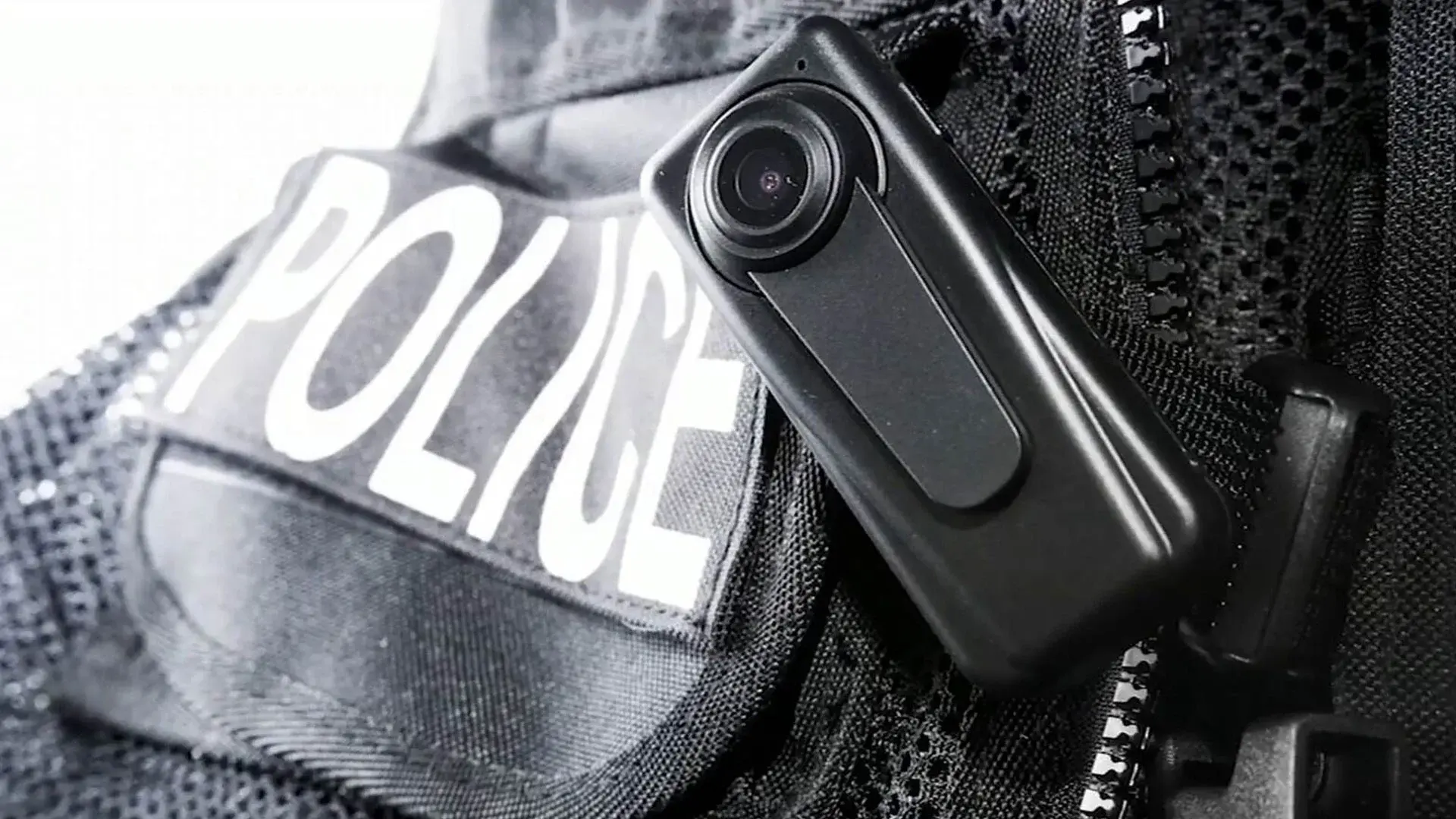
Redacting Dash Cam, Body Cam and Drone Footage From a Moving Camera
A fleet claims manager preparing crash footage for an insurer and defense counsel is doing a different job from a ...

Why Frame-Rate Headers Lie: Redacting Variable Frame Rate Video
A video file keeps time frame by frame, and the frames-per-second figure a player displays is a summary of that timing, ...