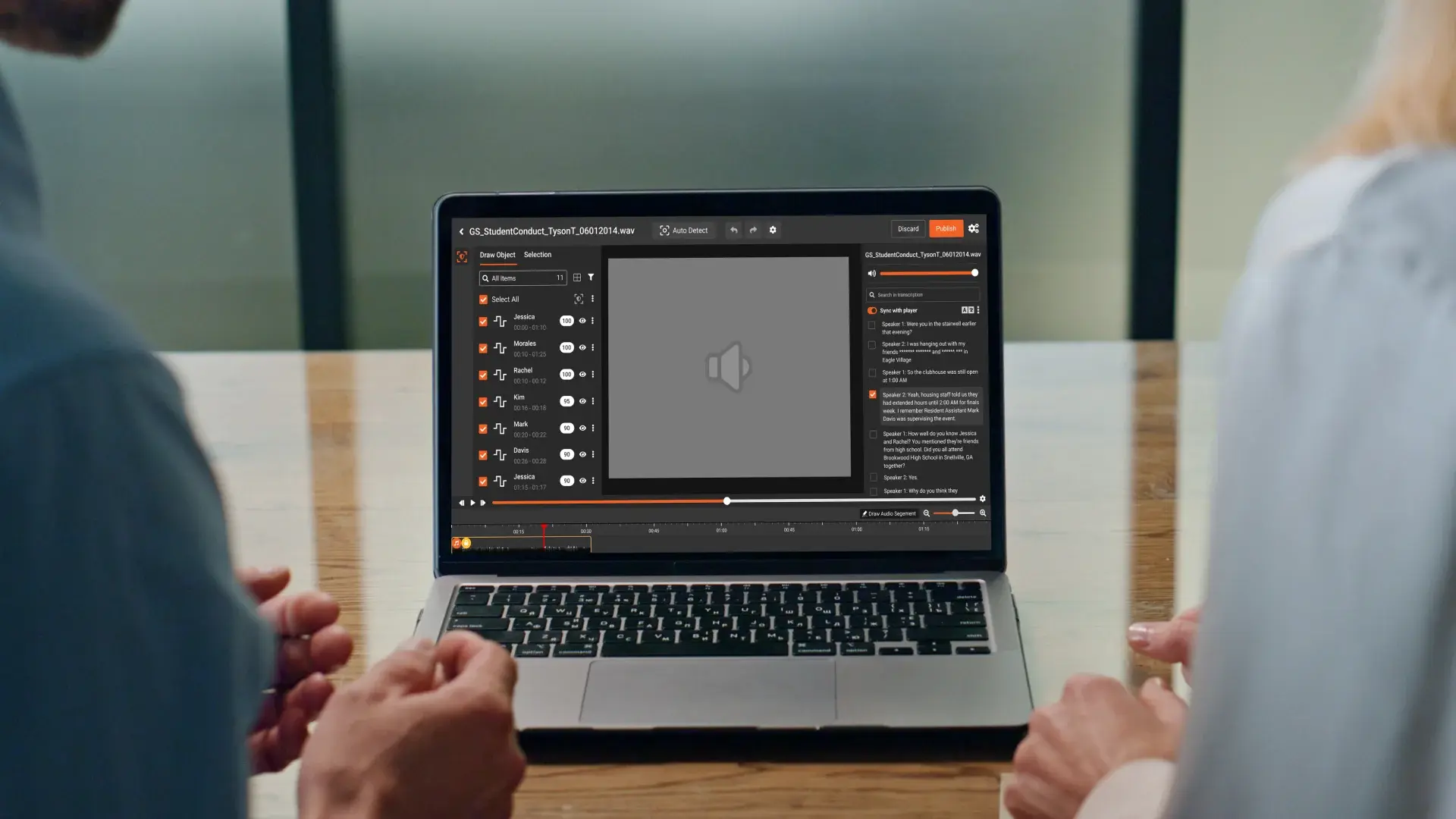
Why Choosing the Right Redaction Software Matters in 2026
Redaction is no longer a background task. In 2026, it is a core part of compliance, risk management, and public trust.
Organizations face increasing pressure from FOIA requests, privacy regulations, insurance audits, and education compliance requirements. At the same time, the volume of video and audio data continues to grow. Body-worn cameras, call recordings, meetings, and investigations are now routine.
Many teams still rely on manual workflows or legacy redaction tools. These approaches do not scale. They slow responses, increase errors, and expose organizations to risk.
What buyers often get wrong is choosing tools based on recognition or immediate expense. The best redaction software is the one that holds up under scrutiny when deadlines are tight and data is sensitive.
What Counts as “Redaction Software” Today?
Not all redaction tools solve the same problem.
Manual tools depend on human review and basic masking. They work for small volumes but break down as data grows.
Open-source utilities offer limited functionality and little support. They often lack audit logs and consistent accuracy.
Modern AI-powered redaction platforms detect and redact sensitive information across video, audio, images, and documents in one system. They support automation, review, and defensible reporting.
In 2026, AI redaction software is no longer optional. It is the baseline for accuracy, scale, and compliance readiness.
Buyer Evaluation Criteria: What to Look for in Redaction Software
This is the most important section for serious buyers. These criteria separate temporary fixes from long-term solutions.
Media Support
Redaction software should handle video, audio, images, and documents together. Using separate tools increases errors and review time.
PII Detection Accuracy
Look for strong detection of faces, license plates, screens, spoken names, numbers, and text identifiers. Accuracy matters more than speed alone.
Automation and Scale
Batch processing and support for large datasets are essential. File-by-file workflows do not scale in regulated environments.
Compliance Readiness
The software should support FOIA, GDPR, FERPA, and insurance regulations without complex workarounds.
Deployment Options
Some organizations require cloud deployment. Others need on-premises or hybrid options. Flexibility prevents future limitations.
Audit Trails
Every action should be logged. Audit trails protect your organization when you review or challenge decisions.
Review and Re-Redaction
Human review should be simple. Re-redaction should not require starting from scratch.
See how VIDIZMO REDACTOR supports these requirements
AI Redaction Software vs Manual & Open-Source Tools
Manual redaction may appear cheaper at first. Over time, it costs more in staff hours, delays, and rework.
Open-source tools reduce licensing costs but increase risk due to limited support and missing audit trails.
AI redaction software shortens time-to-release, lowers error rates, and improves credibility.
“Free” tools often turn into the most expensive option when you consider compliance failures and response delays.
Compare manual and AI redaction approaches in practice
Redaction Software Comparison Criteria (2026)
When comparing redaction tools, teams should align on clear criteria.
Does the software support video, audio, images, and documents?
Does it accurately detect visual and spoken PII?
Can it process large datasets automatically?
Does it support your regulatory requirements?
Are audit logs and review workflows included?
Does it fit your deployment needs?
These criteria help teams compare redaction software before reviewing pricing or requesting a demo.
How Redactor.ai Fits Modern Redaction Requirements
VIDIZMO REDACTOR is built for organizations handling sensitive data at scale.
It supports AI-powered redaction across video, audio, and documents in one platform. Automation reduces workload while human review stays in control.
Teams use VIDIZMO REDACTOR to meet compliance needs without slowing operations.

FAQ
Frequently Asked Questions
Q1: What is the difference between AI redaction software and manual redaction tools?
AI redaction software automatically detects and redacts faces, license plates, spoken names, and text identifiers across video, audio, images, and documents. Manual tools rely on human review, which breaks down at scale and increases error rates. For organizations handling regulated data or high volumes, AI redaction is faster, more accurate, and more defensible in compliance audits.
Q2: What features should I look for when buying redaction software in 2026?
Prioritize these six criteria:
- Multi-format support (video, audio, images, documents)
- Accurate PII detection including visual and spoken identifiers
- Batch processing for large datasets
- Compliance coverage for FOIA, GDPR, FERPA, or insurance regulations
- Built-in audit trails and review workflows
- Flexible deployment: cloud, on-premises, or hybrid
Q3: Is open-source redaction software good enough for compliance use cases?
Open-source tools can handle small, low-risk tasks but are not built for compliance environments. They typically lack audit logs, consistent PII detection accuracy, and vendor support. When a compliance failure or FOIA challenge occurs, open-source tools offer little defensibility. The long-term cost often exceeds that of a dedicated platform.
Q4: How does redaction software support FOIA compliance?
FOIA-ready redaction software should automate PII detection across documents and media, generate audit logs for every redaction decision, and support re-redaction without starting files from scratch. These capabilities reduce response times and protect agencies when requests are challenged or reviewed externally.
Q5: Can one redaction platform handle video, audio, and documents together?
Yes, modern AI redaction platforms like VIDIZMO Redactor support all three in a single system. Handling each format in separate tools increases review time and introduces consistency errors. A unified platform applies the same detection standards across file types, which simplifies workflows and strengthens compliance reporting.
TopicsRedaction
About the author
Hassaan Mazhar is a B2B SaaS content strategist at VIDIZMO specializing in AI redaction, compliance technology, and enterprise content marketing. He builds trust-driven narratives for legal, public sector, and enterprise audiences navigating data privacy and video intelligence challenges.
You may also like

Video Redaction Best Practices: Motion, Frame Rates, Tracking and Failing Safe
I led our video redaction project for a county public safety agency where two people handled every disclosure, and ...
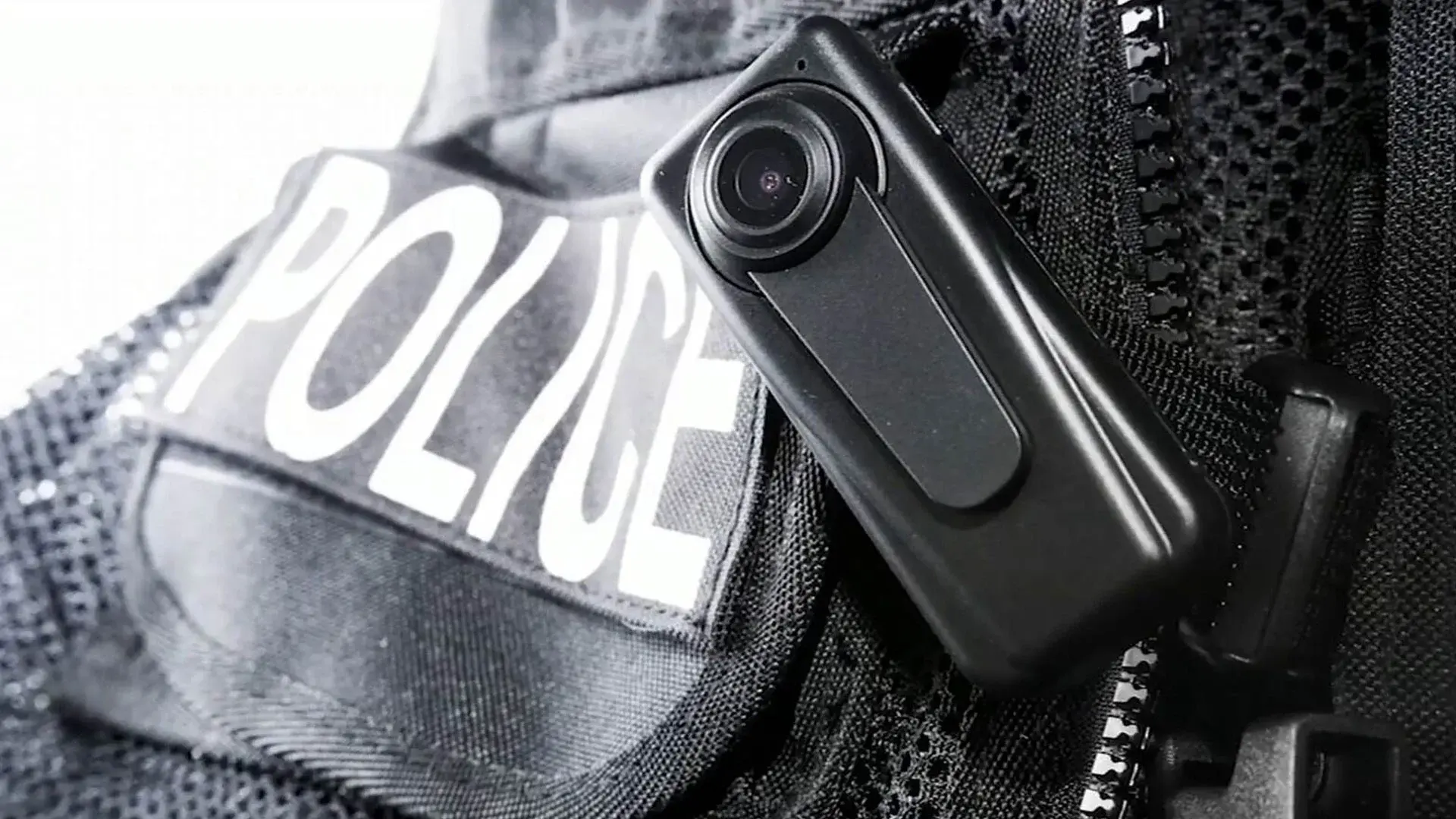
Redacting Dash Cam, Body Cam and Drone Footage From a Moving Camera
A fleet claims manager preparing crash footage for an insurer and defense counsel is doing a different job from a ...

Why Frame-Rate Headers Lie: Redacting Variable Frame Rate Video
A video file keeps time frame by frame, and the frames-per-second figure a player displays is a summary of that timing, ...