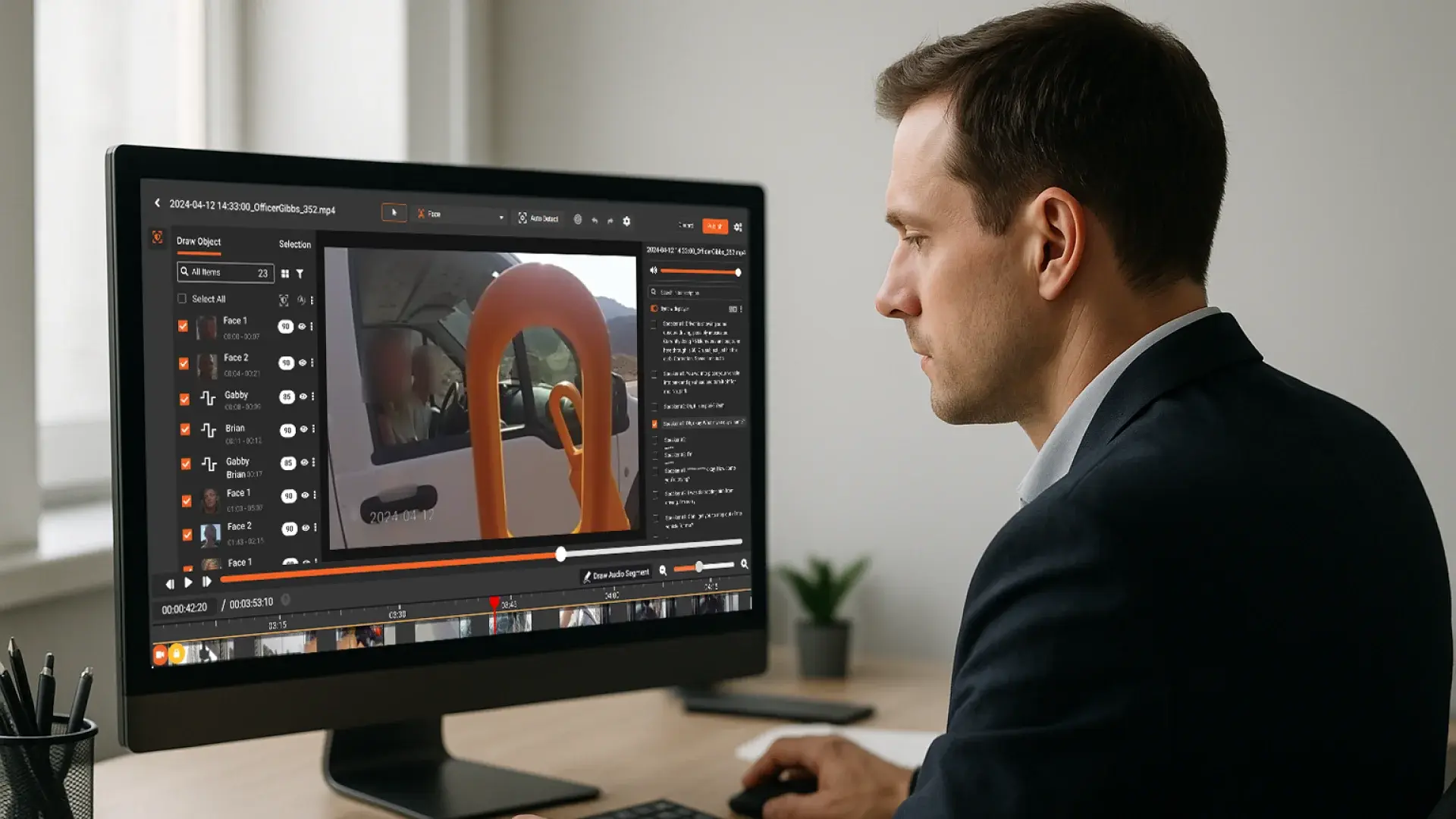
Why Agencies Are Turning to Unattended Redaction
Agencies today are handling more video than ever before. Body-cam footage, CCTV, dash-cam video, surveillance feeds, and recorded interactions now make up a large part of evidence and public records.
Much of this video contains sensitive information. Faces, license plates, private locations, and personal interactions appear constantly. At the same time, disclosure requirements are increasing. FOIA requests, public records laws, and internal reviews all depend on timely and accurate redaction.
Manual review workflows cannot keep up with this volume. Even assisted redaction tools still require constant human attention. This is why many agencies are now evaluating unattended video redaction at scale.
Unattended does not mean uncontrolled. It does not mean releasing content without oversight. It means automation that can process large volumes of video reliably, without requiring a reviewer to guide every step.
This guide focuses on unattended redaction solutions built for scale, not basic video editing tools or small, manual workflows.
What Is Unattended Video Redaction?
Unattended video redaction refers to automated redaction processes that run without continuous human input.
In practical terms, it means the system can:
- Detect sensitive elements
- Apply masking consistently
- Process large video sets
- Prepare content for review
This happens without a reviewer manually marking every face or object.
How It Differs from Other Approaches
Manual redaction requires reviewers to identify and mask every element themselves. This works for small volumes but fails at scale.
Assisted redaction adds some automation but still depends heavily on human direction.
Unattended redaction automates detection and masking first, then brings humans in for review and approval.
The key point is control. Unattended redaction automates the heavy work while preserving human oversight where required.
When Agencies Need Unattended Redaction at Scale
Unattended redaction is not for every use case. It becomes necessary when volume and deadlines collide.
Agencies typically reach this point when:
- Video backlogs continue to grow
- FOIA and public disclosure requests increase
- Staffing levels remain flat
- Release deadlines become tighter
- Similar types of video must be redacted repeatedly
At this stage, the problem is no longer efficiency. It is sustainability.
If your team is saying, “We will never catch up,” unattended redaction is likely the right conversation to have.
The Risks of Scaling Manual Video Redaction
Manual redaction does not just slow teams down. At scale, it introduces new risks.
Reviewer Fatigue and Missed PII
Long hours of video review lead to fatigue. Fatigue leads to missed faces, plates, or sensitive visuals.
Missed PII often results in re-releases, appeals, and loss of trust.
Inconsistent Redaction
When multiple reviewers handle large datasets, consistency suffers. Different standards get applied across files.
Inconsistent redaction is a compliance issue, not just a quality issue.
Delays That Create Exposure
Missed deadlines increase scrutiny. Delays in release can be just as damaging as incorrect releases.
High Operational Cost
Manual workflows consume staff time that cannot scale with demand.
At a certain point, automation becomes necessary, not optional.
What to Look for in Unattended Redaction Solutions
Unattended redaction must be designed carefully. These are the capabilities that matter most.
Automated Detection at Scale
The system must reliably detect faces, license plates, and sensitive visuals across long recordings.
Detection must work consistently across:
- Different lighting conditions
- Camera angles
- Video quality levels
Human Review and Override Controls
Unattended does not mean black-box.
Reviewers must be able to:
- Inspect results
- Adjust redactions
- Approve or reject output
Human authority must remain intact.
Auditability and Defensibility
Every action must be logged. Redaction history should be available for:
- Appeals
- Re-release
- Court or regulatory review
Audit trails are critical at scale.
Performance at Volume
Unattended redaction only works if it performs under load.
Look for:
- Batch processing
- Large file handling
- Reliable throughput across many videos
Explore video redaction software designed for large-scale workflows
How Unattended Redaction Applies Across Media Types
Unattended redaction starts with video, but real-world workflows rarely stop there.
Video Workflows
Unattended redaction is commonly applied to:
- Body-cam footage
- Dash-cam video
- CCTV and surveillance feeds
- Long-form recordings
Automation ensures consistency across hours of footage.
Audio Workflows (Contextual)
Some unattended workflows also include audio, such as emergency calls, interviews, or recorded communications.
Spoken PII detection can be part of larger automated redaction workflows when handled responsibly.
Mixed Media Workflows
Many compliance workflows involve video, audio, and documents together.
Unified redaction workflows matter at scale because records are rarely released in isolation.
Unattended Redaction in Public Disclosure and Compliance Workflows
Unattended redaction supports, but does not replace, accountability.
It is used in:
- Public records and FOIA responses
- Evidence release
- Regulatory disclosures
- Investigative reviews
In these contexts, unattended redaction prepares content for review. Final decisions still rest with the agency.
This approach aligns well with FOIA requirements and law enforcement disclosure obligations.
Learn more about how these workflows apply to public records and law enforcement.
How Agencies Use VIDIZMO REDACTOR for Unattended Redaction at Scale
Agencies processing large volumes of sensitive video need redaction workflows that are automated, reviewable, and defensible.
VIDIZMO REDACTOR is used as an example of how unattended redaction can be implemented responsibly.
Agencies use it to:
- Run automated detection across large video sets
- Apply consistent masking unattended
- Review and adjust results before release
- Generate audit logs for compliance
- Re-process content when requirements change
This approach supports unattended redaction without removing human oversight.
See how unattended redaction workflows work in practice.
Common Misconceptions About Unattended Redaction
Several concerns come up repeatedly.
“Unattended means no human control.”
It does not. Human review remains central.
“Automation increases risk.”
At scale, inconsistency and fatigue increase risk. Automation reduces both.
“Manual review is always safer.”
Manual review alone does not scale safely when volumes grow.
Unattended redaction, done correctly, increases control rather than reducing it.
Conclusion
Unattended video redaction at scale is not about replacing people. It is about enabling agencies to handle volume, meet deadlines, and reduce risk.
Agencies adopt unattended redaction to improve consistency, defensibility, and operational control. Purpose-built platforms make this possible without sacrificing oversight.
As video volumes continue to grow, unattended redaction becomes a requirement for sustainable compliance.

FAQ
Frequently Asked Questions
Does unattended video redaction remove human oversight from the process?
No. Unattended redaction automates detection and masking but keeps humans in control at every critical point. Reviewers can inspect results, adjust redactions, and approve or reject output before anything is released. The goal is to eliminate repetitive manual work, not accountability.
Is unattended redaction accurate enough for compliance and legal defensibility?
Yes, when the system includes full audit logging and human review checkpoints. Automated detection reduces the inconsistency and fatigue that cause missed PII in manual workflows. Every redaction action is logged, making the output reviewable, auditable, and defensible in court or regulatory settings.
How is unattended redaction different from assisted redaction?
Assisted redaction adds automation but still requires a human to guide most of the process. Unattended redaction runs detection and masking automatically across large video sets first, then brings reviewers in to verify and approve results. This distinction matters when processing hundreds of files under tight disclosure deadlines.
What types of video workflows is unattended redaction best suited for?
Unattended redaction is built for high-volume, recurring workflows such as:
- Body-cam and dash-cam footage
- CCTV and surveillance feeds
- FOIA and public records processing
- Repeated evidence releases with similar redaction requirements
It becomes essential when backlogs grow, deadlines tighten, and staffing cannot scale to match demand.
TopicsRedaction
About the author
Hassaan Mazhar is a B2B SaaS content strategist at VIDIZMO specializing in AI redaction, compliance technology, and enterprise content marketing. He builds trust-driven narratives for legal, public sector, and enterprise audiences navigating data privacy and video intelligence challenges.
You may also like
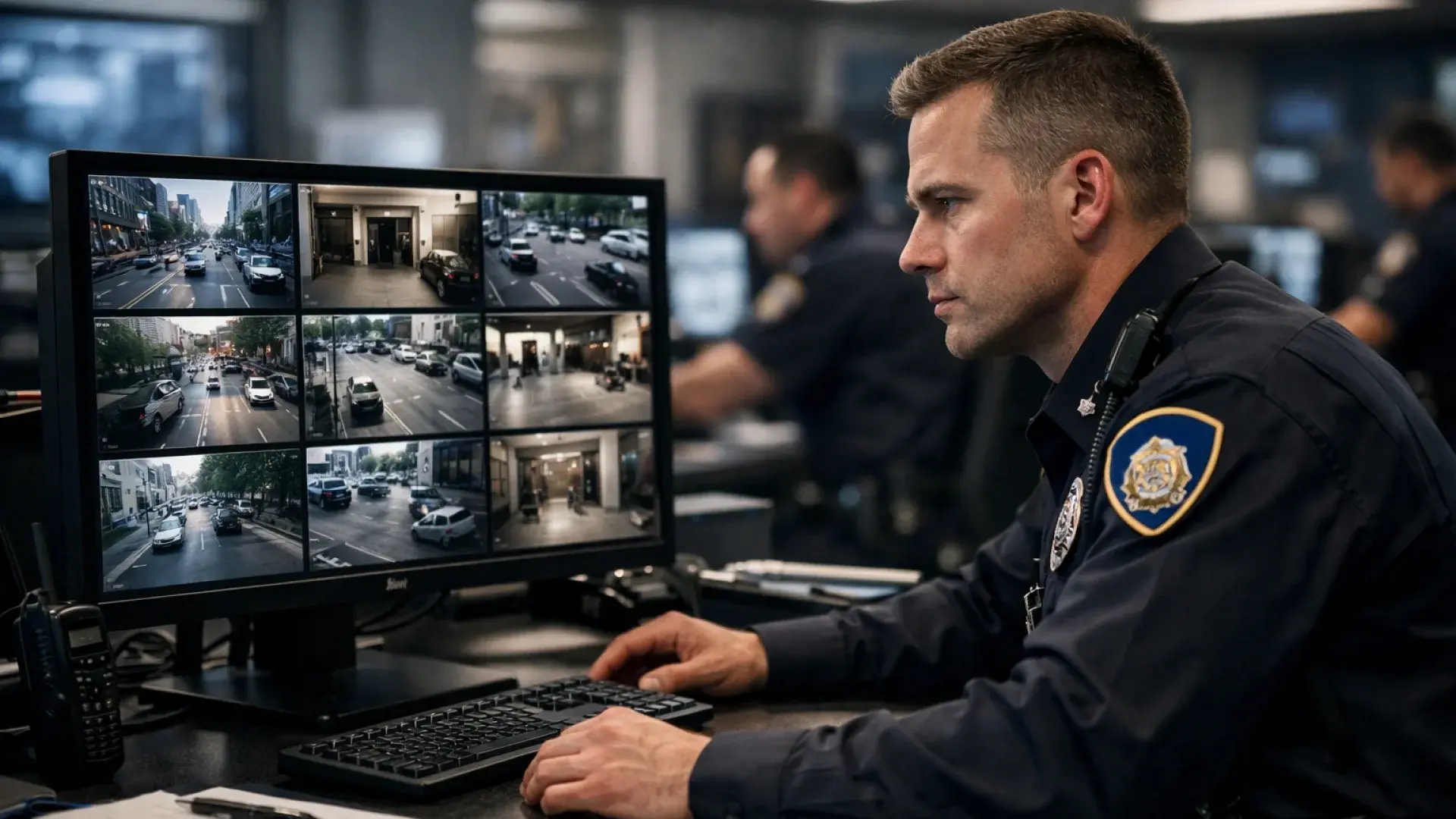
Video Redaction Best Practices: Motion, Frame Rates, Tracking and Failing Safe
I led our video redaction project for a county public safety agency where two people handled every disclosure, and ...
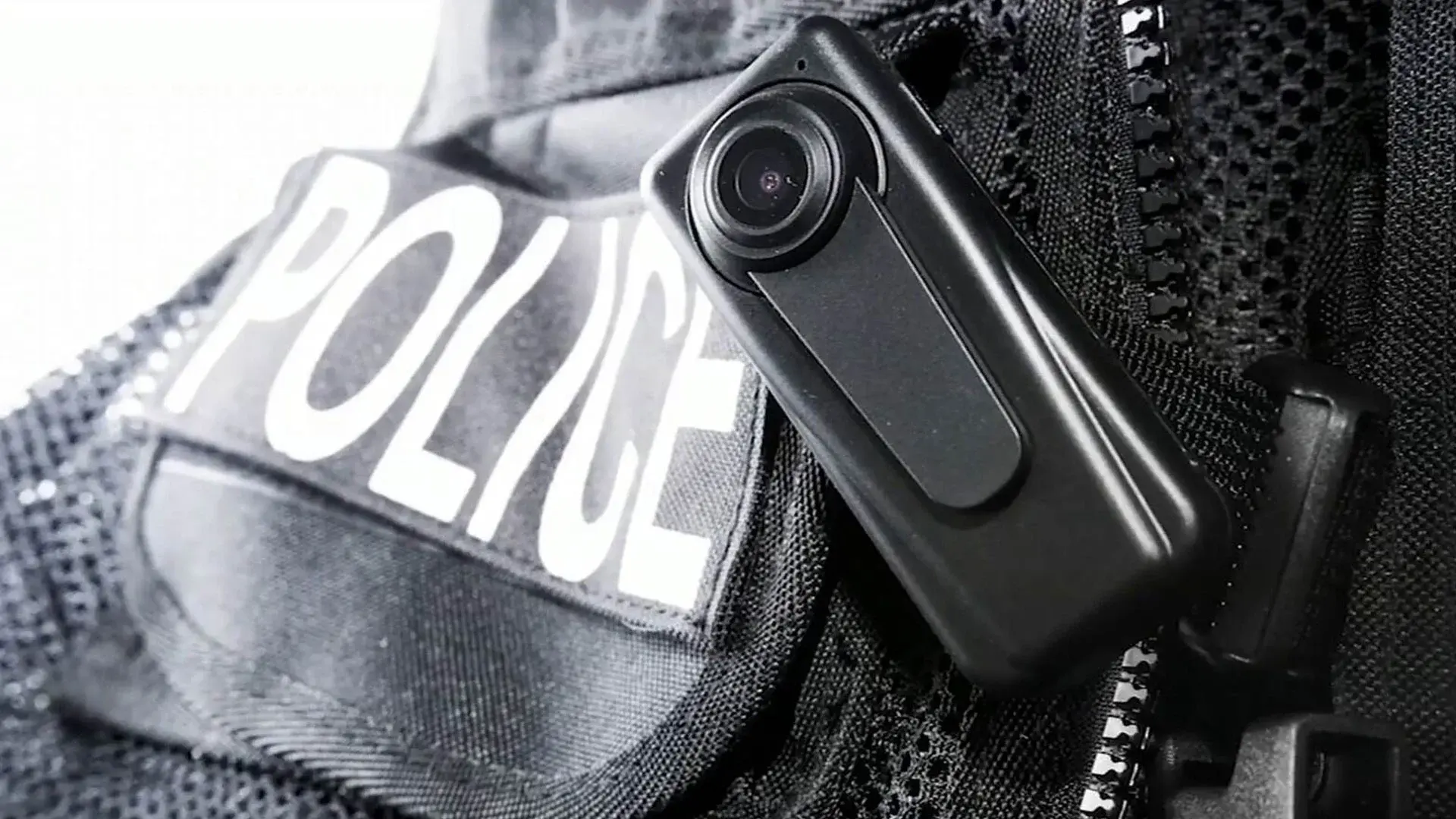
Redacting Dash Cam, Body Cam and Drone Footage From a Moving Camera
A fleet claims manager preparing crash footage for an insurer and defense counsel is doing a different job from a ...
Why Frame-Rate Headers Lie: Redacting Variable Frame Rate Video
A video file keeps time frame by frame, and the frames-per-second figure a player displays is a summary of that timing, ...