
Sensitive data exposure is one of the fastest-growing risks facing legal teams today. In 2026, law firms, corporate legal departments, and government agencies are expected to redact not only documents, but also video evidence, audio recordings, images, and other complex forms of electronically stored information (ESI), all while meeting strict compliance and defensibility standards.
If your current redaction process relies on manual review or multiple disconnected tools, it may no longer be sufficient. Legal teams require a solution that can scale, mitigate risk, and keep pace with the growing volume and complexity of modern legal evidence.
This guide is designed to help you evaluate what a future-ready legal redaction solution should deliver and why many legal teams are moving toward unified, AI-powered platforms like VIDIZMO Redactor.
Want to see how modern legal redaction works in practice?
Start a free trial of VIDIZMO Redactor and experience AI-powered redaction across documents, video, audio, and images, with no commitment required.
Why Legal Redaction Requirements Are Changing in 2026
Several trends are reshaping how legal redaction is performed:
First, the rise of multimedia evidence has fundamentally changed legal workflows. Video and audio evidence are now common in litigation, investigations, and regulatory proceedings. Traditional document-only redaction tools are no longer sufficient for handling faces, voices, license plates, and on-screen text embedded in media files.
Second, data privacy laws and compliance obligations continue to expand. Regulations such as GDPR, HIPAA, CJIS, and public records laws require legal teams to ensure that personally identifiable information (PII), protected health information (PHI), and other sensitive data are properly removed before disclosure.
Third, defensibility and auditability have become central concerns. Courts and regulators increasingly expect organizations to demonstrate how redaction decisions were made, who performed them, and whether the original evidence remained intact.
Finally, scale and efficiency are critical. Legal teams are under pressure to process large datasets quickly without sacrificing accuracy. Manual redaction alone is no longer sustainable.
In this environment, the right redaction solution must support automation, handle multiple content types, integrate with legal workflows, and provide a defensible audit trail.
Core Criteria for Choosing a Legal Redaction Solution in 2026
Before selecting any tool, legal teams should evaluate redaction solutions against a clear set of criteria:
- Content coverage: Can the solution redact documents, images, audio, and video within the same platform?
- AI assistance: Does it use artificial intelligence to detect sensitive information accurately and consistently?
- Human review: Can legal professionals review, validate, and override automated redactions?
- Scalability: Can it handle large volumes of ESI efficiently?
- Compliance and defensibility: Does it provide audit logs and tamper-evident records?
- Deployment flexibility: Can it be deployed in cloud, on-premises, or hybrid environments?
- Workflow integration: Does it fit into existing legal and IT ecosystems?
With these criteria in mind, let’s examine how VIDIZMO Redactor addresses the needs of legal teams in 2026.
VIDIZMO Redactor: A Unified Legal Redaction Platform
VIDIZMO Redactor is an AI-powered redaction platform designed to help legal teams manage sensitive information across documents, images, audio, and video from a single system. Rather than requiring multiple tools for different file types, VIDIZMO provides a unified environment that supports modern legal evidence workflows.
This approach is particularly relevant in 2026, as legal matters increasingly involve mixed media datasets that must be reviewed, redacted, and produced under tight deadlines.
Redaction Across All Content Types
One of the most significant challenges in legal redaction is fragmentation. Many organizations still rely on one tool for PDFs, another for video, and separate processes for audio files. This fragmentation increases risk, slows down review, and creates inconsistencies.
VIDIZMO Redactor eliminates these silos by supporting:
- Text-based documents (including scanned files)
- Images containing sensitive visual data
- Audio files, such as recorded interviews or calls
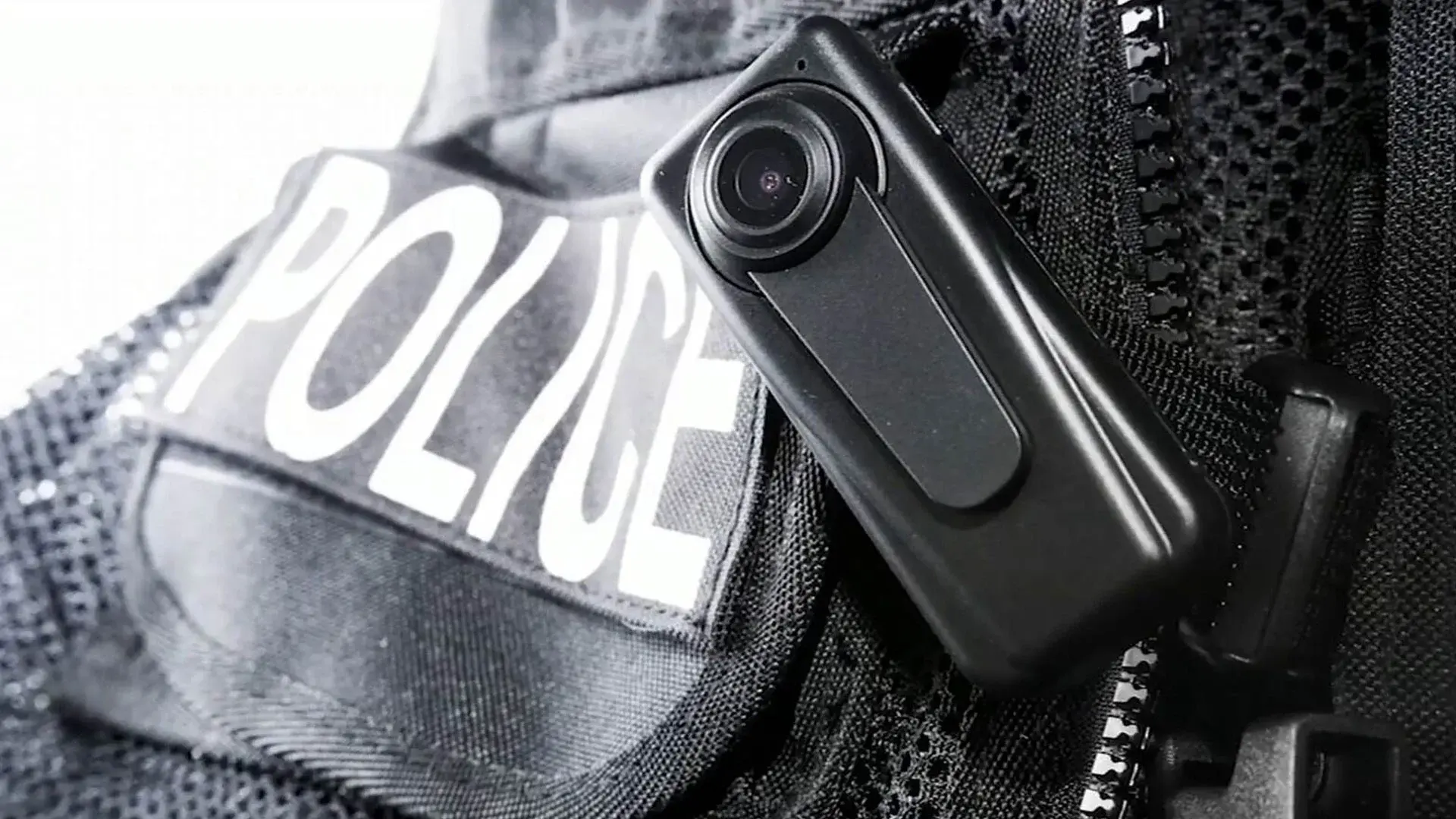
- Video evidence, including surveillance and body-cam footage
By handling all content types in one platform, legal teams can maintain consistency in redaction standards, reduce handoffs between tools, and simplify training and oversight.
AI-Powered Detection With Human Oversight
Automation is essential for scale, but legal redaction cannot rely on automation alone. VIDIZMO Redactor uses AI to accelerate the redaction process while preserving human control.
The platform’s AI capabilities can automatically detect and flag sensitive elements such as:
- Faces and people in the video and images
- License plates and vehicle identifiers
- On-screen text embedded in video or images
- Names, identifiers, and other PII in documents
- Spoken sensitive information in audio and video
These detections significantly reduce manual effort, especially when reviewing hours of footage or thousands of pages of documents. Importantly, VIDIZMO supports human-in-the-loop review, allowing legal professionals to verify, adjust, approve, or reject automated redactions before finalization.
This balance between automation and oversight is critical for maintaining legal accuracy and defensibility.
Searchable Transcripts and Bulk Redaction
Legal teams often struggle with time-intensive media review. Watching full recordings or scanning documents line by line is inefficient and costly.
VIDIZMO Redactor enhances productivity through searchable transcripts for audio and video content. Reviewers can search for keywords, names, or phrases and apply redactions directly to the corresponding segments of media. This capability dramatically reduces review time and improves consistency across large datasets.
Additionally, the platform supports bulk redaction, allowing teams to apply the same redaction rules across multiple files simultaneously. This is particularly useful in cases involving repetitive disclosures, FOIA responses, or large productions with similar data patterns.
Compliance, Auditability, and Legal Defensibility
In legal contexts, redaction is not just about removing information—it’s about proving that the process was done correctly. VIDIZMO Redactor provides detailed audit logs that capture:
- Who performed the redaction
- When it was performed
- What content was redacted
- What rules or criteria were applied
These logs help legal teams demonstrate compliance with privacy laws, respond to challenges from opposing counsel, and satisfy regulatory or court requirements. The ability to show a clear chain of custody and redaction history strengthens the defensibility of produced evidence.
Flexible Deployment for Security and Compliance Needs
Legal organizations vary widely in their infrastructure and security requirements. Some require full cloud deployment, while others—particularly government agencies or regulated industries—may need on-premises or hybrid solutions.
VIDIZMO Redactor supports cloud, on-premises, and hybrid deployments, allowing organizations to align redaction workflows with internal policies, data sovereignty requirements, and compliance obligations. This flexibility makes the platform suitable for a broad range of legal environments.
Integration and Scalability for Enterprise Legal Workflows
VIDIZMO Redactor is designed to scale with growing data volumes and evolving legal needs. It supports API-based workflows and integrates with enterprise storage systems such as AWS S3, enabling automation and interoperability with broader legal and IT ecosystems.
Who Should Consider VIDIZMO Redactor in 2026?
VIDIZMO Redactor is particularly well-suited for:
- Mid-sized and large law firms handling multimedia evidence
- Corporate legal departments with strict compliance requirements
- Government agencies responding to FOIA and public records requests
- Litigation support teams seeking to streamline review and production
- Organizations that want a single redaction platform instead of multiple tools
As legal evidence continues to expand beyond documents into rich media formats, platforms that can handle this complexity will become essential.
Start Your Free Trial Today - No Credit Card Needed

Choosing the Right Legal Redaction Solution
In 2026, choosing the right legal redaction solution means looking beyond basic document tools and focusing on platforms that support automation, multimedia evidence, compliance, and defensibility. Legal teams must consider not only what they redact today, but what they will need to redact tomorrow.
VIDIZMO Redactor addresses these evolving requirements by offering a unified, AI-powered approach to redaction across documents, images, audio, and video while maintaining the transparency, control, and auditability that legal professionals demand.
For legal teams preparing for the future of litigation, investigations, and regulatory compliance, investing in a scalable and defensible redaction solution is no longer optional; it is a foundational capability.
FAQ
Frequently Asked Questions
What types of content can an AI-powered legal redaction solution handle in 2026?
A modern legal redaction solution should handle documents, images, audio recordings, and video evidence within a single platform. Relying on separate tools for each content type creates inconsistencies, slows down review, and increases compliance risk. Look for a unified platform that eliminates the need to switch between tools for different file formats.
How does AI redaction maintain legal defensibility?
AI-powered redaction tools support defensibility through detailed audit logs that record who performed each redaction, when it was done, and what rules were applied. This creates a verifiable chain of custody that satisfies court requirements and withstands challenges from opposing counsel. Human review capabilities further strengthen defensibility by allowing legal professionals to approve or override automated detections.
Can legal redaction software be deployed on-premises for sensitive matters?
Yes. Enterprise-grade redaction platforms like VIDIZMO Redactor support cloud, on-premises, and hybrid deployments. This is critical for government agencies, regulated industries, and law firms with strict data sovereignty or internal security policies that prohibit storing sensitive case data on third-party cloud infrastructure.
How does bulk redaction reduce legal review time for large productions?
Bulk redaction lets teams apply consistent redaction rules across multiple files simultaneously, rather than processing each file manually. When combined with searchable transcripts for audio and video content, reviewers can locate names or keywords and redact all matching instances at once. This significantly cuts review time on large FOIA responses, litigation productions, and repetitive disclosure workflows.
TopicsRedaction
About the author
Zain Noor is a Product Marketing Executive at VIDIZMO with expertise in AI redaction technology. He focuses on how public safety agencies, government bodies, and commercial organizations adopt and operationalize video intelligence at scale.
You may also like

Video Redaction Best Practices: Motion, Frame Rates, Tracking and Failing Safe
I led our video redaction project for a county public safety agency where two people handled every disclosure, and ...
Redacting Dash Cam, Body Cam and Drone Footage From a Moving Camera
A fleet claims manager preparing crash footage for an insurer and defense counsel is doing a different job from a ...

Why Frame-Rate Headers Lie: Redacting Variable Frame Rate Video
A video file keeps time frame by frame, and the frames-per-second figure a player displays is a summary of that timing, ...