
by Zain Noor, Last updated: March 24, 2026
Key Takeaways
- Video Redaction is Non-Negotiable: In 2025, protecting privacy in video evidence is both a regulatory requirement and customer expectation.
- Automation Enables Efficiency: AI-powered redaction reduces processing time significantly while improving accuracy and consistency.
- Integration Drives Adoption: Solutions must integrate with existing claims workflows to achieve high user adoption and maximum value.
- Compliance is Continuous: Choose systems that adapt to evolving regulations across different jurisdictions and claim types.
- Start with Focused Implementation: Begin with specific use cases, measure results, and expand based on demonstrated success.
Video evidence has become indispensable, but it also presents significant privacy risks. Every dashcam recording, security footage, or mobile video submitted for claims contains sensitive personal information that must be protected. Without proper redaction, insurers risk privacy violations, regulatory penalties, and damaged customer trust.
Video evidence is now widely used across property and auto claims, creating both investigative opportunities and new compliance challenges. This guide explains how modern video redaction technology helps insurers use visual evidence safely while meeting essential privacy obligations.
Why Video Redaction Is Essential for Modern Insurers
Protecting Privacy in an Age of Transparency
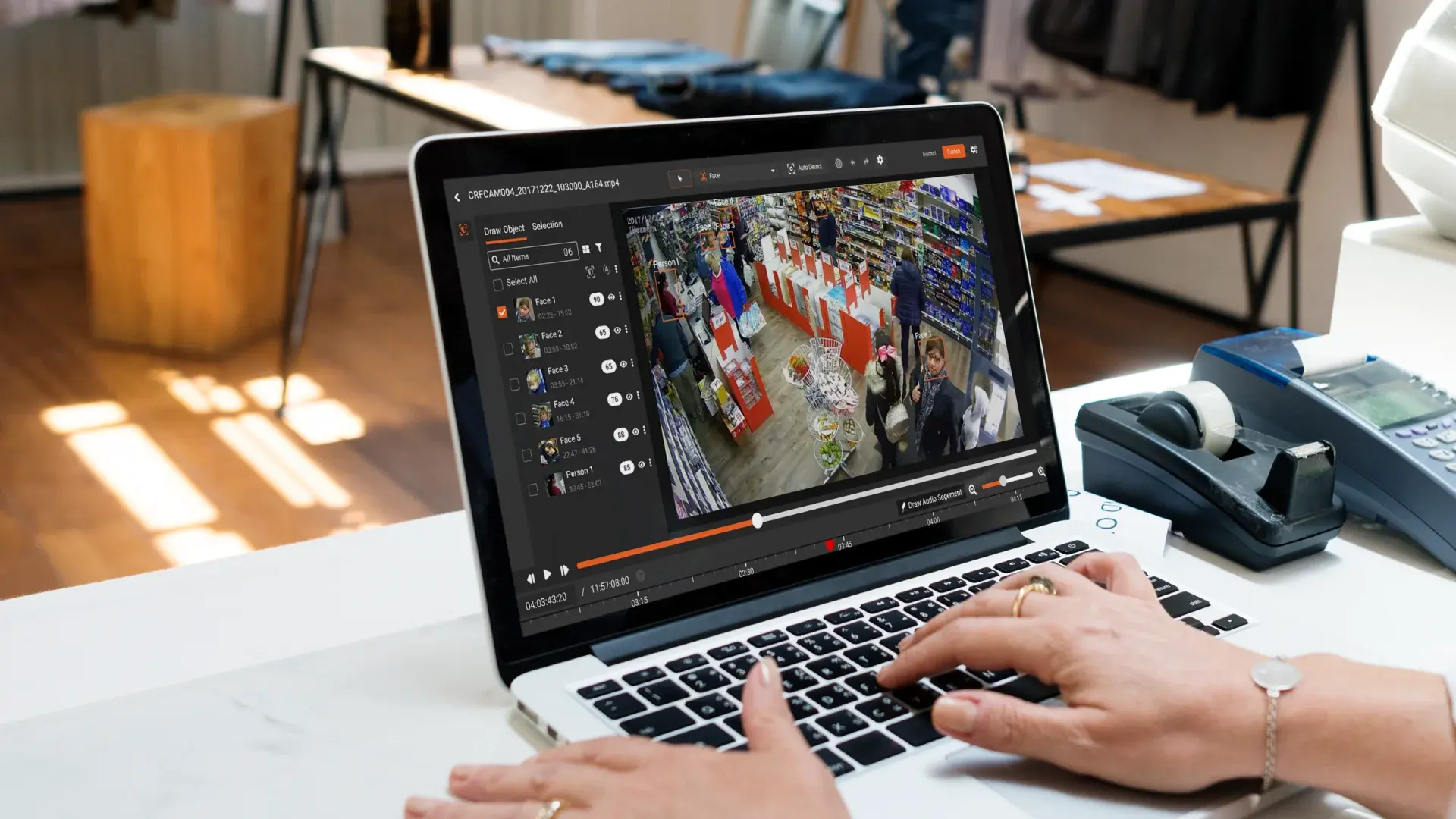
Video evidence captures far more than just incidents; it reveals personal lives, private property, and unrelated bystanders. Redaction technology automatically detects and obscures sensitive elements like:
- Faces of claimants and third parties
- License plates and vehicle identifiers
- Personal documents and sensitive information
- Private property details and location data
By implementing privacy-by-design through automated redaction, insurers demonstrate respect for individual privacy while maintaining the evidentiary value of video content.
Ensuring Regulatory Compliance
Insurance companies operate under increasingly stringent data protection regulations:
- GDPR Requirements: Mandate data minimization and protection for EU citizens' information
- HIPAA Obligations: Protect health-related information in claims footage
- State-Specific Laws: Varying requirements across different jurisdictions
- IIPPA (Insurance Information Protection and Privacy Act): Governs how insurers collect, store, process, and share personal information, with strict requirements for handling video evidence and implementing privacy safeguards
- Cross-Border Considerations: International claims requiring multiple compliance standards
Automated redaction provides auditable compliance documentation and ensures consistent application of privacy rules across all claims.
Accelerating Claims Processing
Manual video review creates significant bottlenecks:
- Adjusters spend hours reviewing unredacted footage
- Compliance verification delays claims progression
- Secure sharing challenges limit collaborative investigation
AI-powered redaction reduces processing time from hours to minutes, accelerating claims resolution while maintaining privacy protection.
Key Applications Across Insurance Workflows
Claims Investigation & Processing
- Auto Claims: Redact bystanders, license plates, and sensitive locations in dashcam footage
- Property Claims: Protect privacy in security camera videos showing homes and personal belongings
- Workers' Compensation: Anonymize individuals in workplace incident recordings
- Liability Assessments: Secure surveillance footage while preserving evidentiary elements
Fraud Detection & Prevention
Redaction enables secure sharing of video evidence across investigation teams while protecting unrelated personal information, allowing focused analysis of potentially fraudulent activity without privacy violations.
Remote Inspections & Audits
As virtual assessments become standard, redaction ensures that video evidence collected during remote inspections protects both claimant privacy and third-party information while meeting compliance requirements.
Training & Development
Redacted real-world footage provides valuable training material for adjusters and claims teams without exposing sensitive customer information or violating privacy regulations.
Implementing Effective Video Redaction
Choosing the Right Solution
When selecting the right video redaction solution, insurers should prioritize:
- High Accuracy Rates: Minimum 95% detection accuracy for insurance-specific content
- Seamless Integration: Compatibility with existing claims management systems
- Compliance Features: Comprehensive audit trails and reporting capabilities
- Scalability: Ability to handle peak claim volumes without performance degradation
- User Experience: Intuitive interfaces requiring minimal adjuster training
Best Practices for Implementation
- Start with a Pilot Program: Test redaction technology with specific claim types before organization-wide rollout
- Develop Clear Policies: Establish what information requires redaction in different scenarios
- Train Your Teams: Ensure adjusters understand both how to use the technology and why it matters
- Monitor and Optimize: Track processing times, accuracy rates, and user feedback for continuous improvement
VIDIZMO Redactor: Enterprise Solution for Insurance
For insurance companies seeking comprehensive video redaction capabilities, VIDIZMO Redactor offers purpose-built features designed for industry-specific needs:
Insurance-Specific Capabilities
- AI-Powered Detection: High-accuracy identification of faces, license plates, documents, and sensitive elements in insurance footage
- Claims Integration: Seamless connectivity with Guidewire, Duck Creek, and custom claims management systems
- Compliance Architecture: Complete audit trails, chain-of-custody tracking, and regulatory reporting
- Mobile Support: Field adjuster applications for on-site redaction and secure evidence collection
Implementation Advantages
- Proven Insurance Expertise: Solutions designed specifically for insurance workflows and compliance requirements
- Scalable Deployment: Cloud, on-premises, or hybrid options to match organizational infrastructure
- Comprehensive Support: Insurance-specific training, implementation guidance, and ongoing optimization
Conclusion
As video evidence becomes increasingly central to insurance claims processing, effective redaction technology provides the essential bridge between investigative necessity and privacy responsibility. Modern solutions enable insurers to leverage visual evidence fully while protecting sensitive information, ensuring compliance, and accelerating claims resolution.
By implementing robust video redaction programs, insurance companies transform privacy protection from a compliance burden to a competitive advantage, building customer trust while improving operational efficiency in today's digital insurance environment.
Start Your Free Trial Today - No Credit Card Needed

About the Author
Jump to
.webp)
Why Retail Stores Need Video Redaction to Protect Customer Privacy

Why On-Premises Video Redaction Software Is Essential

No Comments Yet
Let us know what you think