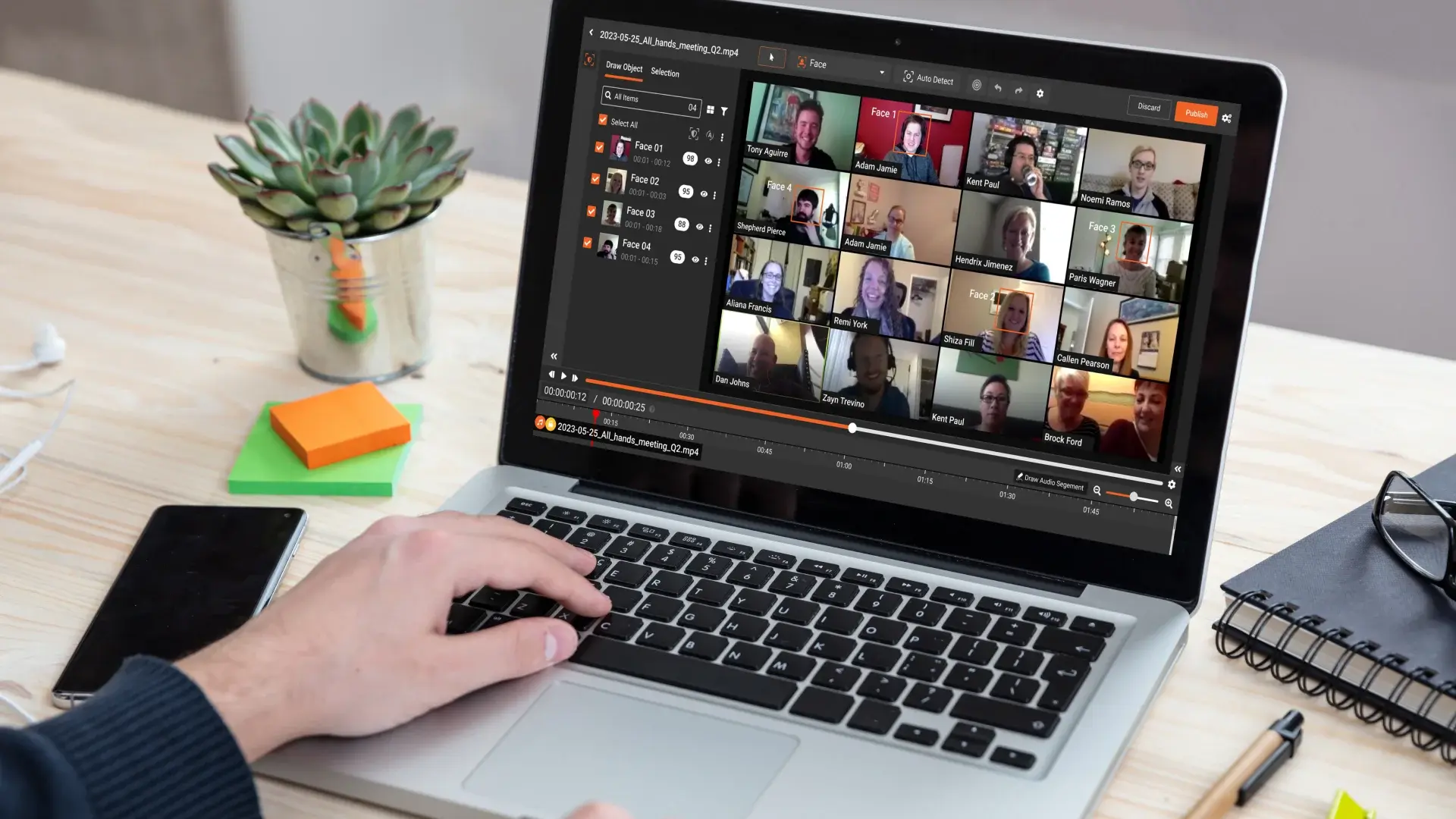
Remote and hybrid teams work across time zones, devices, and locations, often without access to shared physical infrastructure. Videos are reviewed at different times, passed between departments, and shared externally, all while teams remain responsible for protecting sensitive information.
For remote teams, video redaction is not just a privacy task; it is a collaboration and access challenge. Teams need to redact security footage, incident recordings, training videos, customer interactions, and virtual meetings without downloading large files, emailing copies, or relying on a single person’s desktop software.
These videos often contain sensitive data, including faces, license plates, computer screens, on-screen text, and spoken personal information. When remote teams lack a secure, centralized way to redact video, the risk of accidental data exposure, compliance violations, and workflow delays increases significantly.
This is why choosing the best cloud video redaction tool for remote teams is critical. A cloud-based solution enables distributed teams to collaborate securely, apply consistent redactions, and meet privacy and compliance requirements without slowing down remote work.
Why Cloud Video Redaction Is Essential for Remote Teams
Traditional video redaction software was built for local, single-user environments. That approach does not scale for remote or hybrid teams that need shared access, secure collaboration, and full accountability.
A cloud-based video redaction tool allows organizations to:
- Redact sensitive video and audio content without downloading or emailing files
- Enable secure collaboration across distributed teams
- Use AI video redaction to reduce manual effort and processing time
- Respond faster to legal requests, FOIA requests, and compliance deadlines
- Maintain full visibility into who accessed, edited, or approved a video
As privacy regulations such as GDPR, CCPA, HIPAA, and public records laws continue to expand, cloud video redaction software has become a core requirement for modern remote organizations.
What to Look for in the Best Cloud Video Redaction Tool
Not all cloud video redaction solutions are designed for enterprise or government-grade remote workflows. The best tools balance automation, security, and control.
AI-Powered Video and Audio Redaction
A reliable cloud video redaction tool should support:
- Automatic face redaction and license plate redaction
- Detection of computer screens, documents, and on-screen text
- Audio redaction for spoken names and sensitive personal details
- Frame-accurate redactions applied across entire videos
- High-volume video processing without performance slowdowns
AI-driven redaction helps remote teams work faster while reducing human error.
Built for Remote Team Collaboration
Video redaction often involves multiple reviewers and approvers. The best cloud tools provide:
- Role-based access control to limit who can view, edit, or approve videos
- A centralized repository for original and redacted video files
- Secure sharing without creating duplicate copies
- Clear separation between draft and final approved versions
These collaboration features ensure consistency while protecting sensitive content.
Compliance, Security, and Audit Readiness
Organizations handling sensitive video content must meet strict legal and regulatory requirements. Cloud video redaction software should include:
- Detailed audit logs showing all access and editing activity
- Review and approval workflows before videos are released
- Version history for original and redacted videos
- Support for privacy and data protection regulations such as GDPR, CCPA, HIPAA, and public records laws
Strong compliance capabilities help remote teams stay audit-ready at all times.
Flexible Deployment Options
Different industries have different security and data residency requirements. The best cloud video redaction tools support:
- Cloud deployments
- Government-approved cloud environments
- On-premises installations
- Hybrid deployment models
This flexibility allows organizations to modernize redaction workflows without compromising security.
How Cloud Video Redaction Works for Remote Teams
In real-world use, cloud video redaction follows a structured and repeatable process:
- Videos are uploaded into a secure, centralized system
- AI automatically identifies sensitive video and audio content
- Remote team members review and refine redactions
- Authorized users approve the final version
- Redacted videos are shared securely with a complete audit trail
This workflow reduces errors, speeds up turnaround times, and keeps distributed teams aligned.
VIDIZMO Redactor: The Best Cloud Video Redaction Tool for Remote Teams
VIDIZMO Redactor is a secure, AI-powered cloud video redaction solution designed specifically for remote teams working with sensitive video content.
The platform automatically detects and redacts faces, license plates, computer screens, on-screen text, and spoken personal information. Teams can collaborate on redactions, make adjustments, and approve final videos within a single secure system.
VIDIZMO Redactor also offers unmatched deployment flexibility. Organizations can deploy it in the cloud, in government cloud environments, on-premises, or in hybrid configurations. This makes it well-suited for enterprises, government agencies, law enforcement, and other regulated industries.
Built-in role-based access controls, audit logs, and approval workflows ensure accountability and compliance at every stage of the redaction process.
You Can Start Your Free Trial Today - NO Credit Card Needed

Key Benefits of Cloud Video Redaction for Remote Teams
When cloud video redaction is implemented effectively, remote teams can:
- Release redacted videos faster using AI automation
- Reduce the risk of exposing sensitive or personal information
- Collaborate securely across departments and locations
- Maintain clear audit trails for legal and compliance review
- Stay aligned with evolving privacy and data protection laws
Instead of slowing teams down, the right video redaction software supports secure and efficient remote work.
Conclusion
Video has become a core part of remote and hybrid operations, but it also introduces serious privacy and compliance challenges. Organizations need more than basic blurring tools; they need secure, AI-driven cloud video redaction software built for collaboration and accountability.
The best cloud video redaction tool supports real-world remote workflows, meets regulatory requirements, and offers flexible deployment options. With VIDIZMO Redactor, remote teams can protect sensitive information, maintain compliance, and manage video content with confidence no matter where they work.
FAQ
Frequently Asked Questions
What is cloud video redaction?
Cloud video redaction is the process of removing or obscuring sensitive information such as faces, license plates, screens, text, or spoken personal data, from video files using cloud-based software. Unlike desktop tools, cloud video redaction allows teams to securely access, redact, review, and share videos from any location.
Why do remote teams need cloud video redaction tools?
Remote teams need cloud video redaction tools because video files are often accessed and reviewed by multiple people across different locations. Cloud-based redaction eliminates the need to download or email videos, supports secure collaboration, and ensures consistent redactions while maintaining audit logs for compliance.
What types of sensitive information can cloud video redaction tools remove?
Modern cloud video redaction tools can remove:
- Faces and full bodies
- License plates and vehicle identifiers
- Computer screens and documents
- On-screen text and graphics
- Spoken names and personal information in audio
AI-powered video and audio redaction ensures accuracy across entire videos.
How does AI video redaction work?
AI video redaction uses machine learning models to automatically detect sensitive visual and audio elements in video content. The system tracks these elements frame by frame, applies consistent redactions, and allows human reviewers to adjust or approve the results before final release.
Is cloud video redaction secure?
Yes, enterprise-grade cloud video redaction platforms use secure access controls, encryption, audit logging, and role-based permissions. Solutions like VIDIZMO Redactor are designed to meet strict security and compliance requirements for government agencies, law enforcement, and regulated industries.
Can cloud video redaction support compliance requirements?
Cloud video redaction tools support compliance by providing:
- Audit trails showing who accessed or edited a video
- Approval workflows before content is shared
- Version history of original and redacted videos
- Support for regulations such as GDPR, CCPA, HIPAA, and public records laws
VIDIZMO Redactor is built specifically to support compliance-driven workflows.
What makes VIDIZMO Redactor different from other cloud video redaction tools?
VIDIZMO Redactor combines AI-powered video and audio redaction with secure collaboration, detailed audit logs, and flexible deployment options. Unlike basic cloud tools, it supports cloud, government cloud, on-premises, and hybrid deployments, making it suitable for organizations with strict data security requirements.
Can VIDIZMO Redactor be used by remote and hybrid teams?
Yes, VIDIZMO Redactor is designed for remote and hybrid teams. It provides centralized access, role-based permissions, collaborative review workflows, and secure sharing, allowing distributed teams to redact and approve videos without downloading files or creating duplicates.
Does VIDIZMO Redactor support audio redaction?
Yes, VIDIZMO Redactor supports audio redaction in addition to video redaction. It can identify and remove spoken personal information, names, or sensitive conversations, helping organizations fully protect privacy in both visual and audio content.
What deployment options are available for VIDIZMO Redactor?
VIDIZMO Redactor supports multiple deployment models, including:
- Commercial cloud
- Government-approved cloud environments
- On-premises deployment
- Hybrid cloud and on-premises configurations
This flexibility allows organizations to meet data residency, security, and compliance requirements.
Who typically uses cloud video redaction software?
Cloud video redaction software is commonly used by:
- Government agencies
- Law enforcement and public safety organizations
- Enterprises handling sensitive customer or employee data
- Legal and compliance teams
- Organizations responding to FOIA or public records requests
VIDIZMO Redactor is widely used in these environments due to its security and scalability.
How does cloud video redaction improve remote workflows?
Cloud video redaction improves remote workflows by reducing manual effort, eliminating file transfers, enabling parallel review, and maintaining full visibility into the redaction process. This allows teams to release videos faster while maintaining privacy and compliance.
Is cloud video redaction better than desktop redaction software?
For remote teams, cloud video redaction is more effective than desktop software because it supports collaboration, centralized control, auditability, and scalability. Desktop tools are limited to single users and often lack compliance-grade tracking and access control.
What should organizations look for in the best cloud video redaction tool?
Organizations should look for:
- AI-powered video and audio redaction
- Secure role-based access
- Collaboration and approval workflows
- Detailed audit logs
- Compliance support
- Flexible deployment options
VIDIZMO Redactor meets all of these criteria.
TopicsRedaction
About the author
Zain Noor is a Product Marketing Executive at VIDIZMO with expertise in AI redaction technology. He focuses on how public safety agencies, government bodies, and commercial organizations adopt and operationalize video intelligence at scale.
You may also like
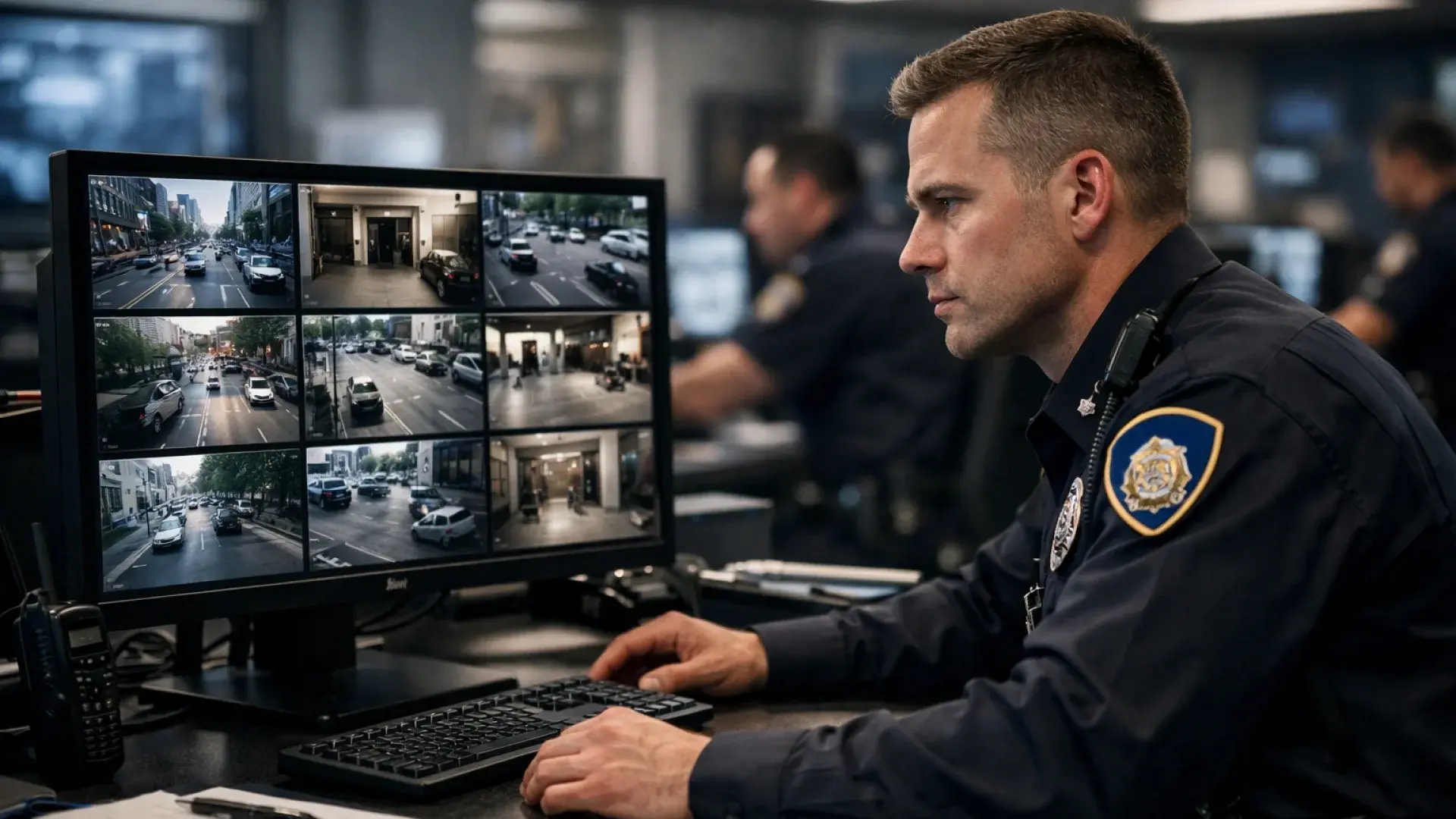
Video Redaction Best Practices: Motion, Frame Rates, Tracking and Failing Safe
I led our video redaction project for a county public safety agency where two people handled every disclosure, and ...
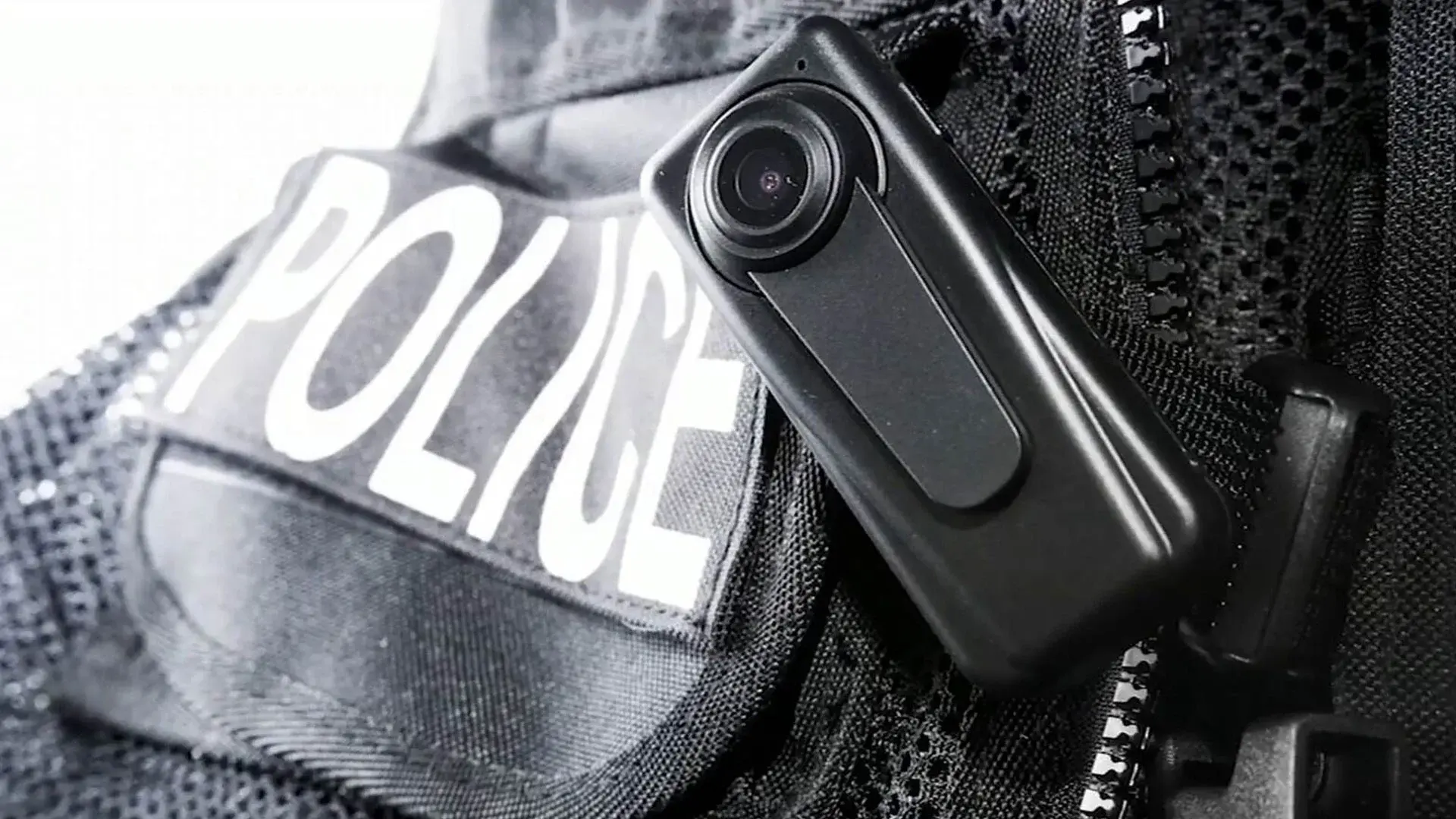
Redacting Dash Cam, Body Cam and Drone Footage From a Moving Camera
A fleet claims manager preparing crash footage for an insurer and defense counsel is doing a different job from a ...
Why Frame-Rate Headers Lie: Redacting Variable Frame Rate Video
A video file keeps time frame by frame, and the frames-per-second figure a player displays is a summary of that timing, ...