
by Hassaan Mazhar, Last updated: April 3, 2026
Why Redaction Had to Evolve
For a long time, redaction was treated as a document problem.
Teams focused on text files, PDFs, and scanned records. Redaction meant blacking out lines on a page before sharing it. That approach worked when sensitive information mostly lived in documents.
That is no longer the case.
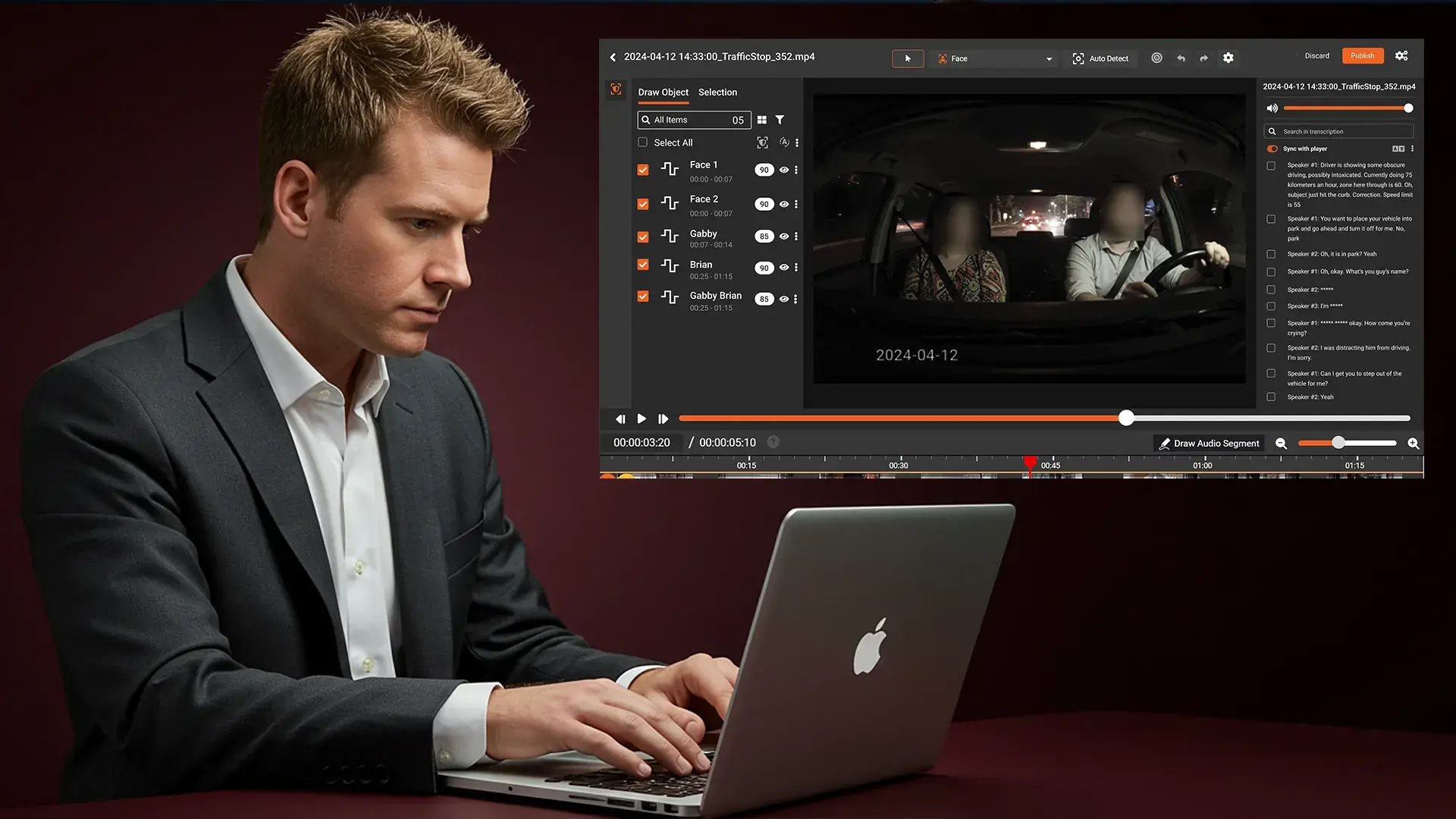
Today, sensitive data exists across video, audio, and documents. Faces appear in footage. Names and phone numbers are spoken in calls. Confidential details are captured in recordings and reports.
Organizations are no longer deciding whether to redact. They are deciding how to redact consistently across media formats.
This shift is why redaction software has evolved. Not as innovation hype, but as a response to real compliance and scale challenges.
This article explains how redaction software evolved to support video, audio, and document workflows—and why that evolution matters.
The Early Days: Document-First Redaction
Redaction began as a text-centric task.
Early tools focused on:
- PDFs
- Scanned files
- Structured documents
Manual tools and basic editors were enough when volumes were low and formats were limited. Reviewers could visually inspect pages and apply redactions by hand.
As data volumes increased, cracks appeared. Manual work became slower. Consistency suffered. Auditability was limited.
These limitations became more obvious as organizations started handling more complex records.
The Shift to Video-First Redaction
The first major evolution came with video.
Organizations began collecting massive amounts of video through:
- Body-worn cameras
- Dash-cams
- CCTV
- Surveillance systems
Video redaction is fundamentally different from document redaction.
Video includes motion, multiple people per frame, changing lighting, and long recordings. A single missed frame can expose sensitive information.
To address this, video redaction software evolved to include:
- Automated detection of faces and objects
- Motion-aware masking
- Frame-to-frame consistency
This evolution was not optional. Manual video editing tools could not keep up with volume or risk.

Audio Redaction and the Rise of Spoken PII
As video grew, audio followed closely behind.
Call recordings, interviews, and recorded meetings became common records. These recordings often include spoken PII, such as:
- Names
- Phone numbers
- Addresses
Muting entire recordings is rarely acceptable. It removes context and reduces transparency.
This led to another step-in in redaction software evolution: speech-aware audio redaction.
Audio redaction software now focuses on:
- Detecting sensitive information as it is spoken
- Muting only the relevant segments
- Allowing reviewers to verify results
This shift supports compliance while preserving the value of the recording.
Redaction Today: Unified Workflows Across Media Formats
Modern redaction software no longer treats formats separately.
Today’s platforms support video, audio, and documents within a single workflow.
Key characteristics of modern redaction workflows include:
- Consistent redaction standards across formats
- Centralized review and approval
- Audit logs regardless of media type
This reduces fragmentation and lowers risk.
Redaction is no longer format specific. It is workflow-driven.
Why Media-Specific Tools No Longer Work
Many organizations still rely on separate tools for each format.
Document-only tools cannot handle video or audio. Video editing software lacks compliance features. Manual audio workflows are slow and inconsistent.
These approaches introduce real risks:
- Inconsistent redaction standards
- Missed sensitive data
- No clear audit history
- High operational overhead
As records become more complex, point tools stop working. Purpose-built platforms become necessary.
How AI Is Shaping the Evolution of Redaction Software
AI plays a practical role in modern redaction.
It supports detection, not decision-making. AI helps identify faces, objects, and spoken PII at scale. Humans still review and approve outcomes.
The value of AI redaction software lies in:
- Handling volume
- Applying consistent rules
- Reducing fatigue-related errors
AI enables scale. Accountability remains human.
Applying Modern Redaction Software in Real Workflows
The evolution of redaction software shows up clearly in daily operations.
Organizations use unified redaction workflows for:
- Public disclosure and records requests
- Investigations involving mixed media
- Compliance reviews with tight timelines
In each case, documents, video, and audio are handled together. Redaction supports the workflow instead of slowing it down.
How VIDIZMO REDACTOR Supports Multi-Format Redaction Workflows
VIDIZMO REDACTOR is an example of how modern redaction platforms support evolving needs.
It enables redaction across video, audio, and documents within one environment. Automation helps teams handle scale. Human review and auditability remain central.
This approach is designed for compliance-driven environments where accuracy and defensibility matter.
What This Evolution Means for Organizations
The evolution of redaction software changes how organizations think about risk.
Redaction is now a strategic capability, not a back-office task. Media diversity increases exposure if tools do not evolve. Platforms matter more than individual features.
Organizations that modernize redaction workflows gain consistency, scalability, and confidence.
Conclusion
Redaction software has evolved because the nature of sensitive data has changed.
Video, audio, and documents now demand equal attention. Manual and media-specific tools no longer meet compliance needs.
Purpose-built redaction platforms enable organizations to manage risk, scale operations, and maintain defensible processes.
Organizations that embrace this evolution are better prepared for what comes next.

About the Author
Jump to
Best Redaction Software in 2026 | Buyer’s Guide
Automated FOIA Redaction for Public Records

No Comments Yet
Let us know what you think