
by Hassaan Mazhar, Last updated: April 1, 2026

When Video Evidence Becomes a Risk at Scale
Agencies are collecting more video evidence than ever before.
Body-cams, dash-cams, interviews, surveillance footage, and fixed cameras generate hours of video every day. Over time, this footage piles up quickly. What starts as a manageable workload becomes a backlog.
As volume increases, so does the risk. Faces, license plates, and other sensitive details appear constantly. The more video there is to review, the easier it becomes to miss something important.
Manual review methods work for small volumes. At scale, they break down.
This guide focuses on how agencies handle large-scale video redaction without sacrificing accuracy, compliance, or control.
Why Redacting Video Evidence at Scale Is So Challenging
Redacting video evidence is hard on its own. Doing it at scale adds new layers of complexity.
Long-Form Video Content
Many recordings are not short clips. They run for hours. Reviewing and redacting long videos frame by frame is slow and exhausting.
Multiple People and Sensitive Details Per Frame
A single frame may include officers, civilians, bystanders, vehicles, and private locations. Each element may require redaction.
Inconsistent Camera Angles and Motion
Body-worn and vehicle-mounted cameras move constantly. Lighting, angles, and visibility change throughout the recording.
Reviewer Fatigue
Long review sessions lead to fatigue. Fatigue increases the chance of missed PII.
At scale, the challenge is not just workload. Scale introduces risk.
What Happens When PII Is Missed in Video Evidence
Missing PII in released video has real consequences.
Agencies often have to re-process and re-release footage. This creates additional work and delays. Disclosure and compliance exposure increases. Public trust can be damaged when errors become visible.
Operationally, teams lose time correcting mistakes instead of moving forward.
This is why accuracy matters more, not less when video volume grows.
When Agencies Outgrow Manual Video Redaction
Most agencies recognize the tipping point quickly.
Manual workflows stop working when:
- Video backlogs keep growing
- Requests for disclosure increase
- Staff capacity does not scale with volume
- Deadlines become tighter
At this stage, teams are not looking for convenience. They are looking for control.
Many realize they are already operating in a video redaction at scale problem, even if they have not named it yet.
What Effective Video Redaction at Scale Requires
Handling video evidence at scale requires more than faster editing tools. These are the capabilities that matter.
Automated Detection Across Entire Videos
Faces, license plates, and sensitive objects must be detected throughout the entire recording. Detection must be consistent from start to finish.
Motion-Aware Redaction
Once detected, redaction must follow moving subjects across frames. Manual frame-by-frame masking does not scale.
Human Review and Quality Control
Automation should prepare the work. Humans should verify it.
Reviewers must be able to inspect redactions, make adjustments, and approve content before release.
Auditability and Re-Processing
Every redaction action must be logged. Agencies also need the ability to re-redact video when requirements change.
Explore video redaction software designed for large-scale workflows.
How Automated Video Redaction Reduces Risk at Scale
Automation changes how teams handle volume.
Automated systems handle detection and masking across large datasets. Humans focus on verification and decision-making. Redaction standards are applied consistently across files.
This reduces the chance of missed PII while improving turnaround time.
Automation does not remove control. It improves it by removing repetitive, error-prone work.
How This Fits into Unattended Redaction Workflows
Video redaction at scale is a core use case for unattended workflows.
In these workflows:
- Detection and masking occur automatically
- Large volumes are processed without constant manual input
- Human review and audit remain mandatory
This approach works across body-cam footage, dash-cam video, interviews, and surveillance recordings.
Unattended does not mean uncontrolled. It means scalable.
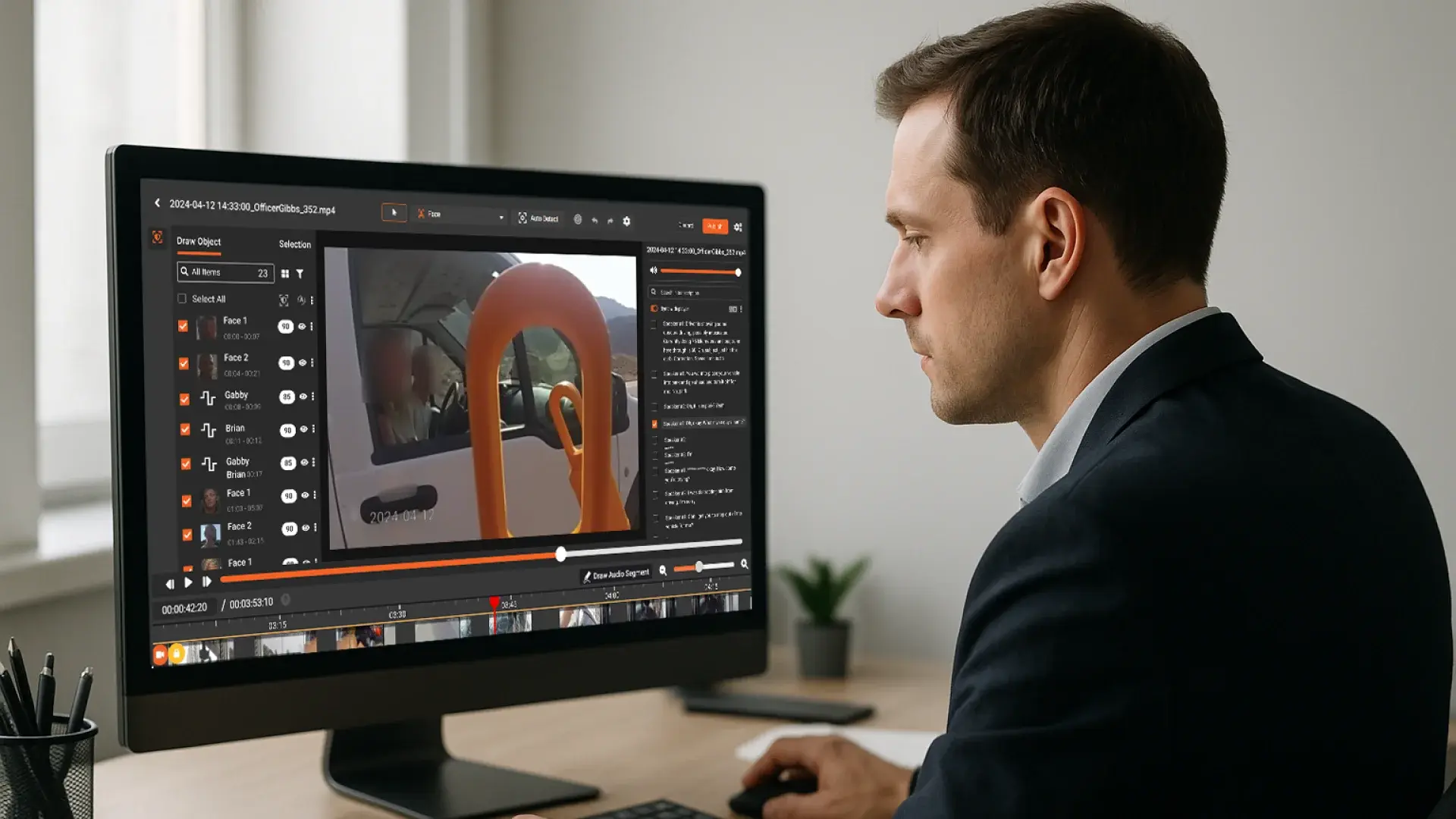
How Agencies Use VIDIZMO REDACTOR to Redact Video Evidence at Scale
Agencies handling large volumes of video need redaction workflows that are accurate, reviewable, and defensible.
VIDIZMO REDACTOR is one example of how agencies implement bulk video redaction responsibly.
Teams use it to:
- Run automated detection across large video sets
- Apply motion-aware masking consistently
- Review and adjust redactions before release
- Maintain audit logs for compliance
- Re-process video when requirements change
This supports large-scale redaction without removing human oversight.
See how unattended video redaction workflows work in practice.
Common Mistakes Agencies Make When Redacting Video at Scale
Even experienced teams run into issues.
Some rely entirely on manual review. Others treat automation as hands-off and skip verification. Many apply inconsistent standards across reviewers or lack a way to re-redact content efficiently.
These mistakes increase risk and slow down operations.
Conclusion
Video evidence volumes will continue to grow.
As volume increases, accuracy becomes harder—and more important. Manual workflows cannot keep up safely at scale.
Purpose-built platforms for video redaction at scale help agencies manage volume, reduce risk, and maintain defensible processes.
Large-scale redaction is not about speed alone. It is about consistency, control, and compliance.

About the Author
Jump to
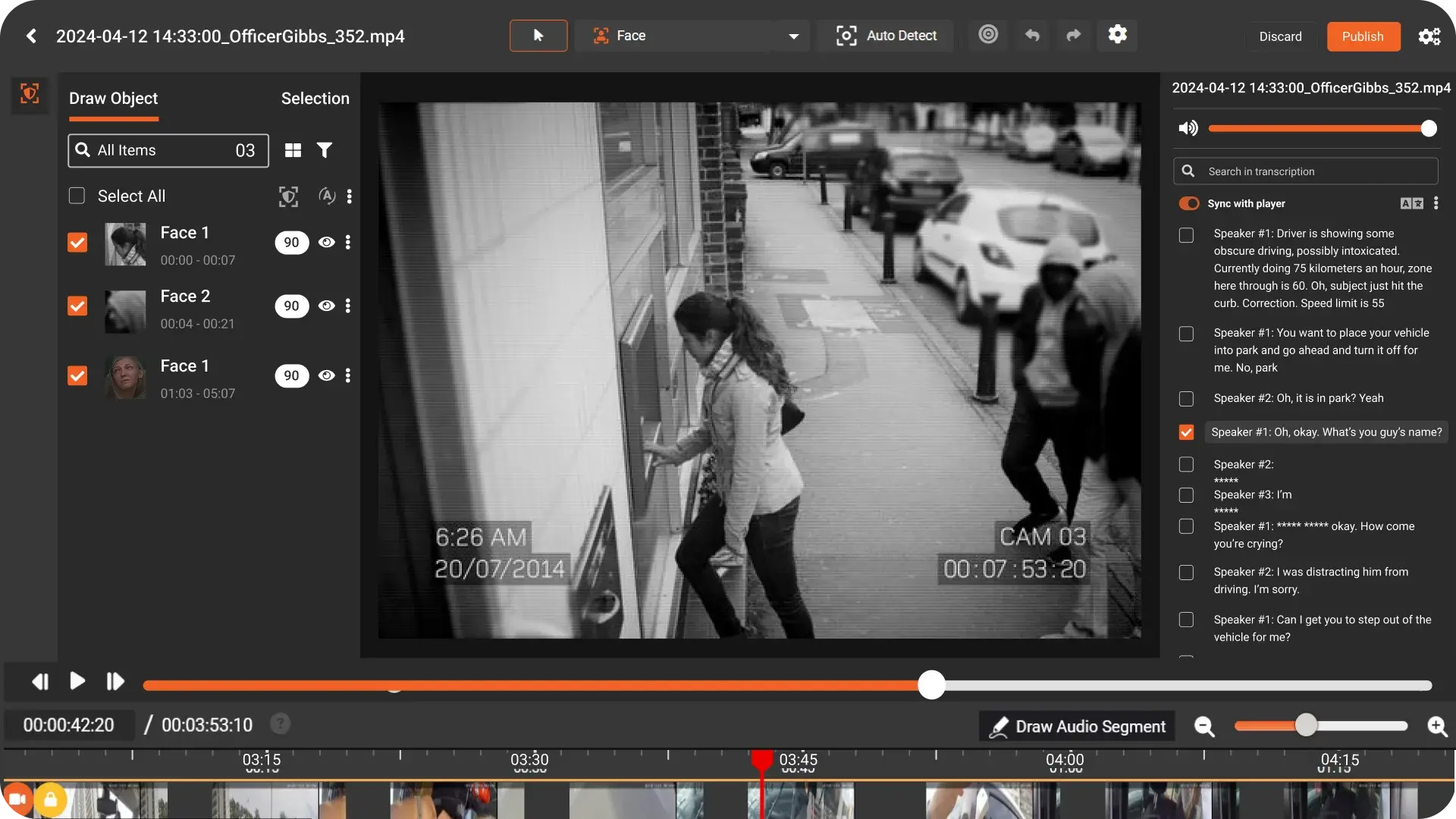
Unattended Video Redaction at Scale for Compliance Workflows
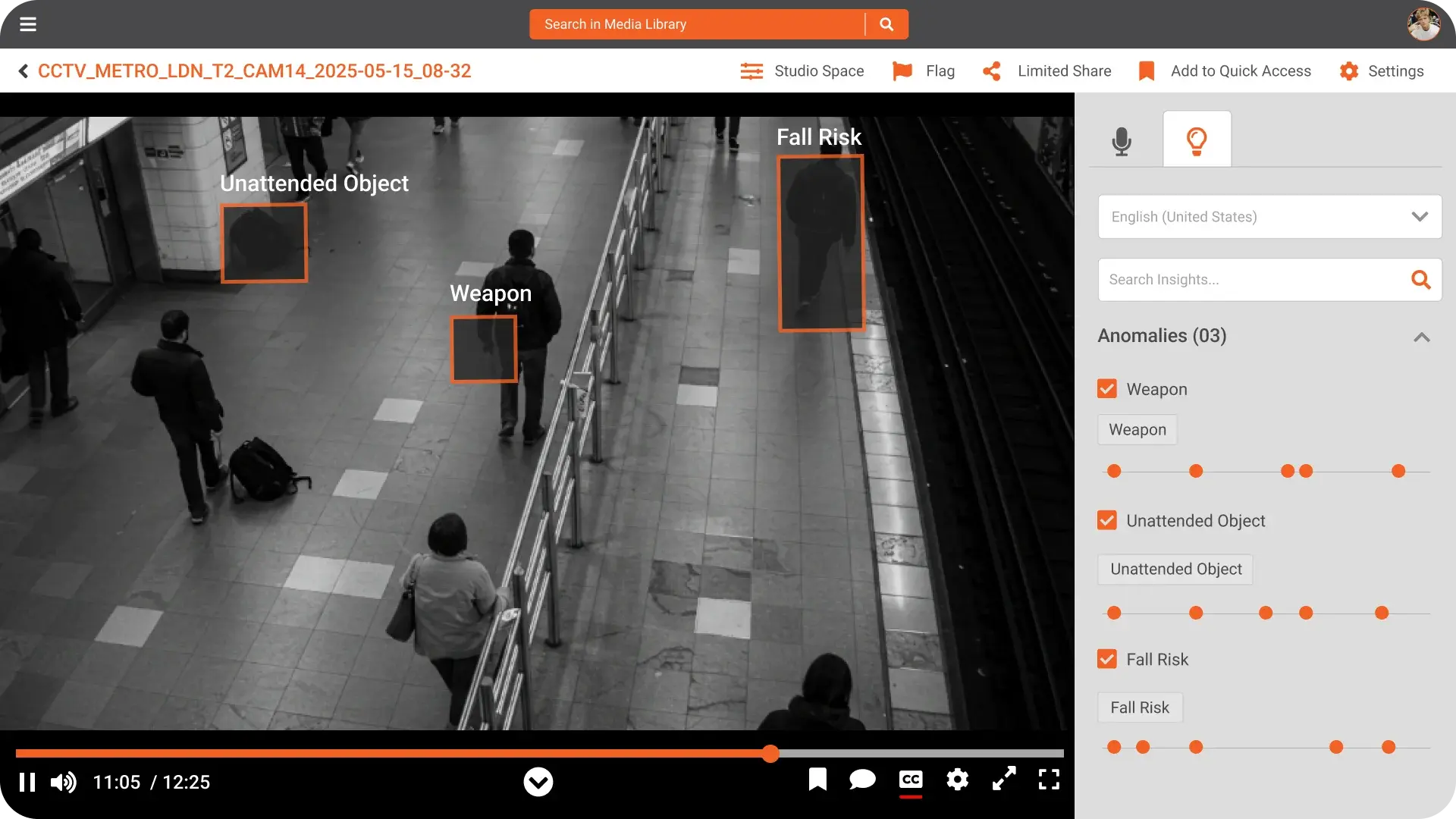
Surveillance Video & CCTV Redaction Software for Public Safety

No Comments Yet
Let us know what you think