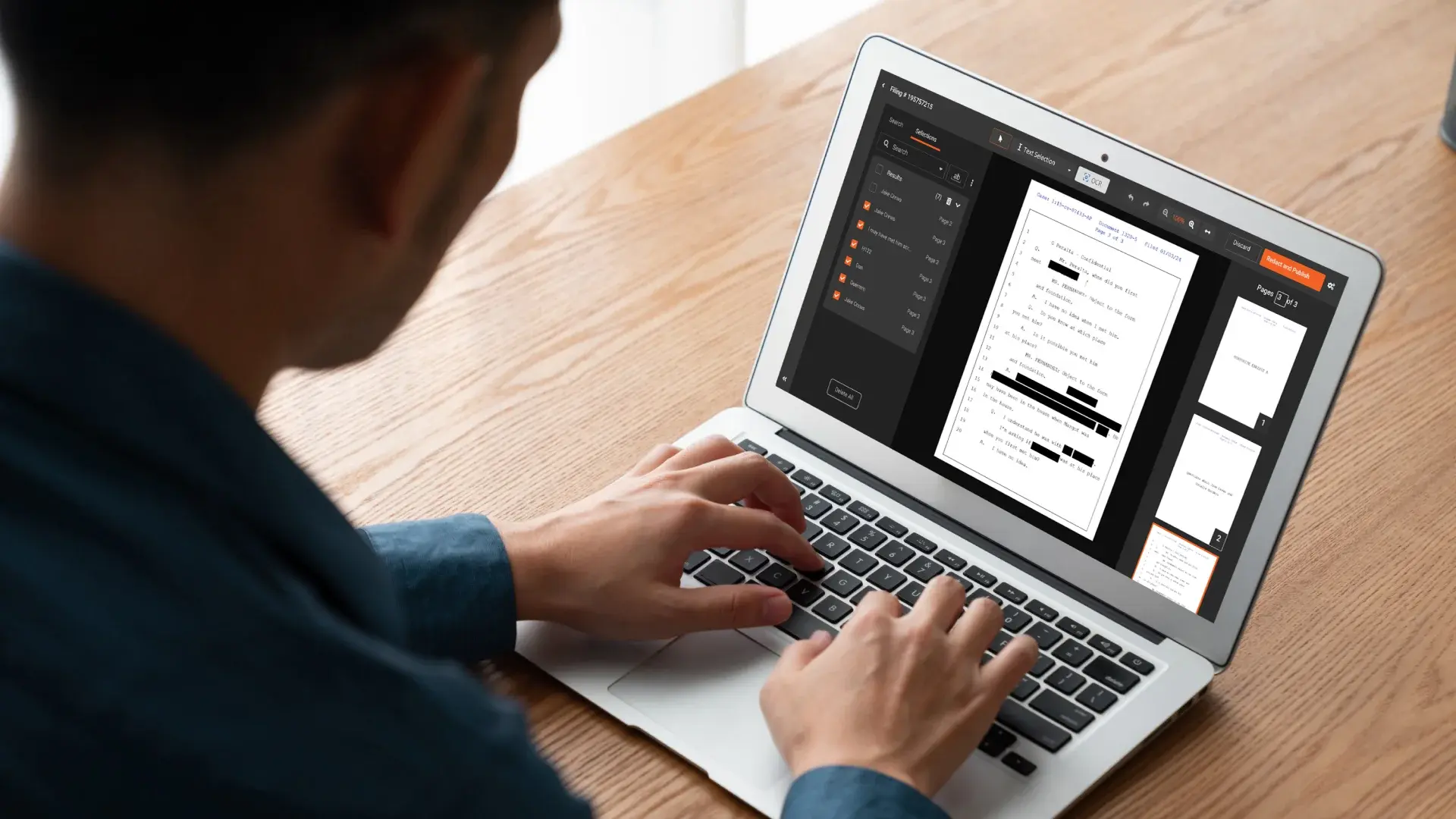
Why Personally Identifiable Information (PII) Redaction Is No Longer Optional
Sensitive data exposure is no longer a rare event. It is a daily risk for regulated teams handling calls, videos, reports, and records.
From police body cameras to customer support calls and internal investigations, organizations now manage more multimedia data than ever before. Each file carries personally identifiable information that must be protected before sharing, storing, or responding to requests.
Missed PII can result in fines, legal action, and public trust issues. Regulations such as GDPR, HIPAA, and FOIA do not leave room for error. This is why PII redaction software has become a core compliance requirement rather than a nice-to-have tool.
What Counts as PII Across Audio, Video & Documents?
PII does not exist in just one format. It appears differently across media, which often confuses buyers evaluating redaction tools.
PII in Video
Video files can contain faces, license plates, ID cards, computer screens, or handwritten notes. Even reflections or background details can expose sensitive data if left unmasked.
PII in Audio
Audio recordings include spoken names, phone numbers, addresses, case details, and financial information. These details are often buried inside long conversations, making them easy to miss manually.
PII in Documents
Documents contain structured and unstructured identifiers such as names, social security numbers, account details, and contact information. These may appear in forms, PDFs, emails, or scanned files.
Single-format tools fail because they only solve part of the problem. Teams managing multiple data types need one solution that handles everything consistently.
Challenges of Manual & Partial PII Redaction
Many organizations still rely on manual workflows or separate tools for different media. This approach creates serious limitations.
Manual redaction takes too much time and depends heavily on human accuracy. Even experienced reviewers miss details when working under pressure or deadlines.
Partial tools force teams to reprocess the same file multiple times. A video may need one tool for visuals and another for audio, increasing inconsistency.
At scale, these gaps turn into compliance risks. Re-redaction delays responses, increases costs, and exposes organizations to penalties.
How AI-Powered PII Redaction Software Works
AI-powered redaction software is built to handle modern data volumes without sacrificing accuracy.
First, AI detects sensitive content using computer vision for video, speech recognition for audio, and text analysis for documents. These detection layers work together rather than in isolation.
Next, the system automatically masks or removes detected PII based on predefined rules. Faces are blurred, audio segments are muted, and document text is redacted.
Human reviewers can then verify results, make adjustments, and approve files before release. Every action is logged, creating a clear audit trail for compliance and review.
This balance of automation and human control helps teams work faster while staying accountable.
PII Redaction by Media Type
Video PII Redaction
Video redaction is complex because sensitive data can appear anywhere on the screen and change over time.
Common pitfalls include missing faces in motion, failing to track license plates, or overlooking information displayed briefly on screens.
When evaluating software, look for accurate object tracking, frame-by-frame consistency, and support for long-form footage.
AI matters because it follows objects across scenes and reduces manual frame editing.
Explore Redactor’s video redaction
Audio PII Redaction
Audio redaction often fails when teams rely on transcripts alone. Speech nuances, accents, and overlapping conversations add complexity.
Effective software should detect spoken PII directly from audio, not just text output. It should also allow selective muting without harming overall clarity.
AI improves accuracy by identifying patterns in speech and learning from corrections over time.
Explore Redactor’s audio redaction
Document PII Redaction
Document redaction becomes difficult when files include scans, handwritten notes, or mixed formats.
Many tools struggle with unstructured text or embedded identifiers. This leads to inconsistent redaction and review fatigue.
AI-based document redaction works across PDFs, Word files, and scanned documents. It detects sensitive data even when formatting changes.
Explore Redactor’s document redaction
Industry-Specific PII Redaction Use Cases
Agencies must respond to public records requests while protecting victims, minors, and officers. Automated redaction speeds up FOIA responses without compromising privacy.
Recorded calls often include policy numbers, addresses, and payment details. Redaction software helps insurers share data safely with auditors and partners.
Schools and universities manage video lectures, disciplinary records, and student documents. Redaction ensures FERPA compliance before sharing content.
Internal investigations involve interviews, emails, and evidence files. Redaction helps legal and compliance teams control access without delays.
Evaluating PII Redaction Software
When comparing tools, buyers should focus on practical requirements rather than feature lists.
Accuracy benchmarks help measure real-world performance. Media coverage matters because most teams handle more than one format.
Scalability ensures the software can handle growing volumes. Deployment flexibility supports cloud, on-prem, or hybrid environments.
Compliance support and audit logs are essential for regulated industries.
Why Teams Choose Redactor.ai for PII Redaction
Teams choose Redactor.ai because it aligns with real compliance needs rather than isolated use cases.
It supports video, audio, and document redaction in one platform. AI detection reduces manual work while keeping human review in control.
Built-in audit logs, flexible deployment, and industry-specific workflows support regulated teams at scale.
Learn more through our video redaction solution, explore use cases for regulated teams, or review transparent pricing before committing.
Redactor.ai is designed for teams that handle sensitive data daily. Compliance officers, IT leaders, and legal teams benefit most from hands-on testing.
You can upload real audio, video, or documents during a trial to evaluate accuracy and workflow fit.

FAQ
Frequently Asked Questions
What is PII redaction software?
PII redaction software identifies and removes personally identifiable information from audio, video, and documents before sharing or storage.
How does PII redaction software work across video and audio?
PII redaction software uses AI to detect faces, spoken names, and sensitive details, then masks or removes them automatically.
Is AI redaction software accurate enough for compliance?
AI redaction software improves accuracy by detecting patterns consistently and allowing human review before final approval.
Can PII redaction software handle documents and scanned files?
PII redaction software can analyze structured and unstructured text, including scanned documents and PDFs.
Why do organizations replace manual redaction with PII redaction software?
PII redaction software reduces errors, saves time, and lowers compliance risk compared to manual processes.
Does VIDIZMO support PII redaction for law enforcement?
VIDIZMO provides PII redaction capabilities designed for law enforcement workflows, including FOIA compliance.
Can VIDIZMO redact audio, video, and documents in one system?
VIDIZMO offers unified PII redaction software that works across multiple media types.
How do I evaluate pricing for PII redaction software?
Pricing depends on media volume, deployment needs, and compliance requirements. Teams should review pricing early to avoid surprises.
About the author
Hassaan Mazhar is a B2B SaaS content strategist at VIDIZMO specializing in AI redaction, compliance technology, and enterprise content marketing. He builds trust-driven narratives for legal, public sector, and enterprise audiences navigating data privacy and video intelligence challenges.
You may also like
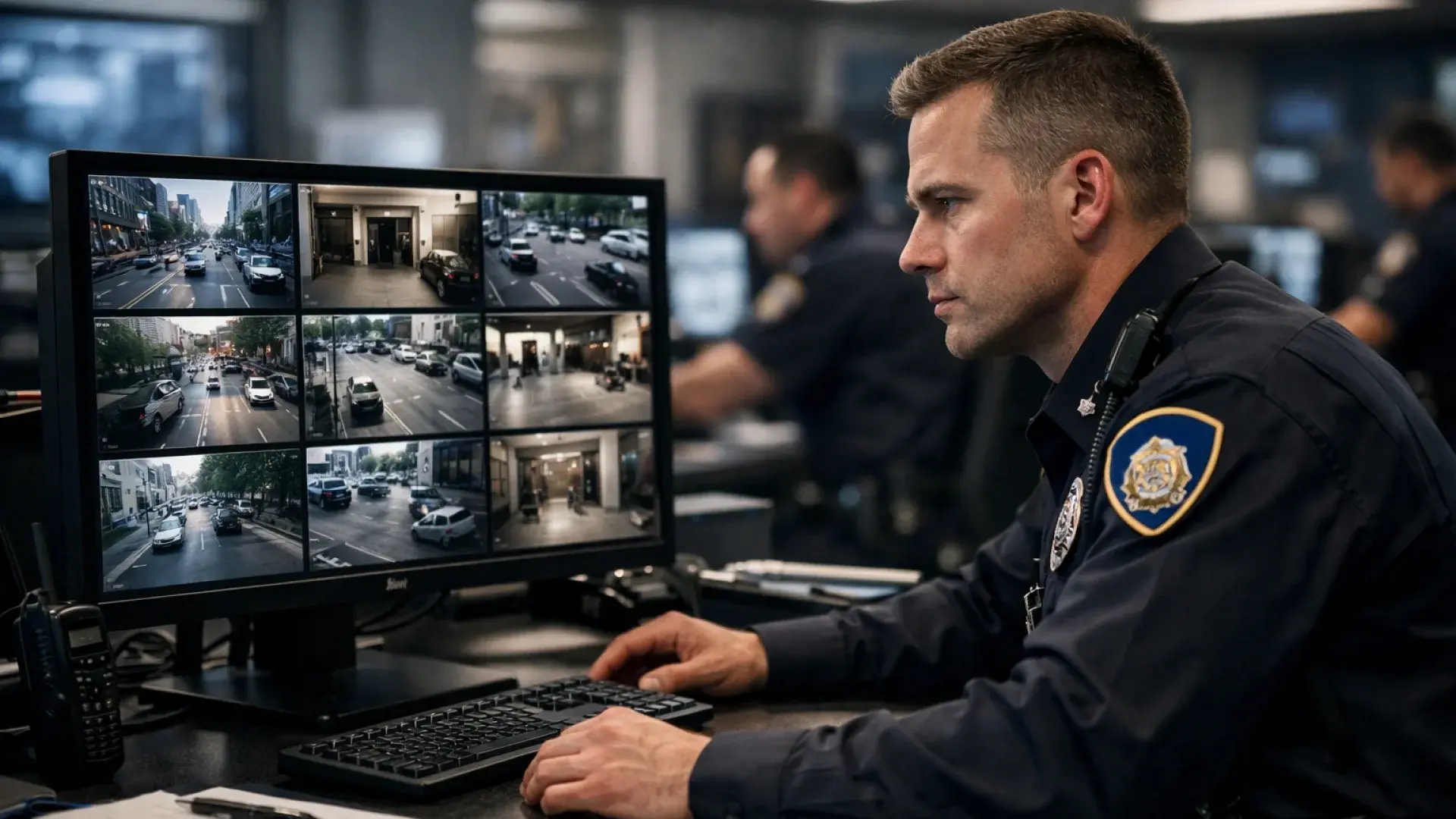
Video Redaction Best Practices: Motion, Frame Rates, Tracking and Failing Safe
I led our video redaction project for a county public safety agency where two people handled every disclosure, and ...
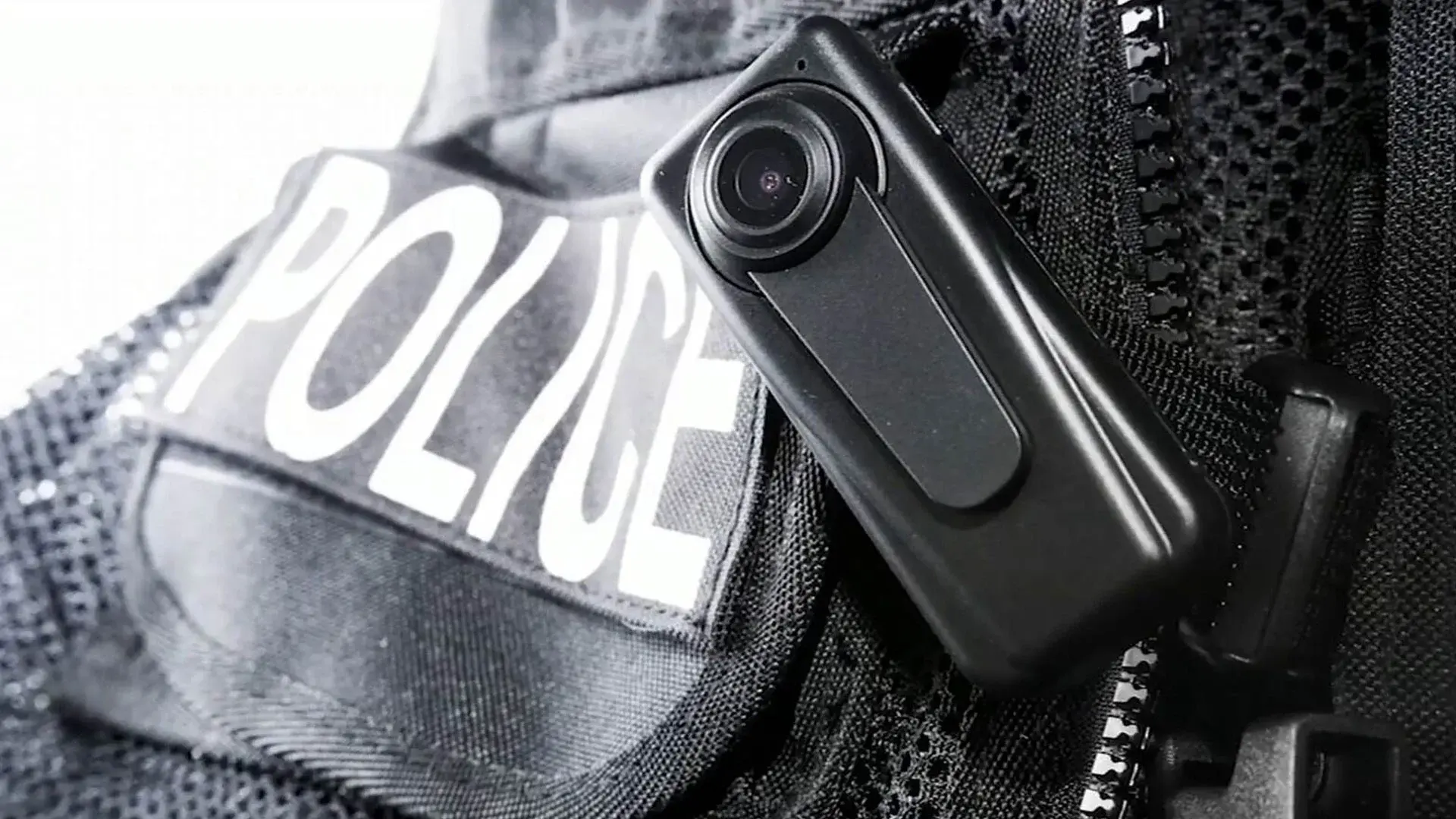
Redacting Dash Cam, Body Cam and Drone Footage From a Moving Camera
A fleet claims manager preparing crash footage for an insurer and defense counsel is doing a different job from a ...
Why Frame-Rate Headers Lie: Redacting Variable Frame Rate Video
A video file keeps time frame by frame, and the frames-per-second figure a player displays is a summary of that timing, ...