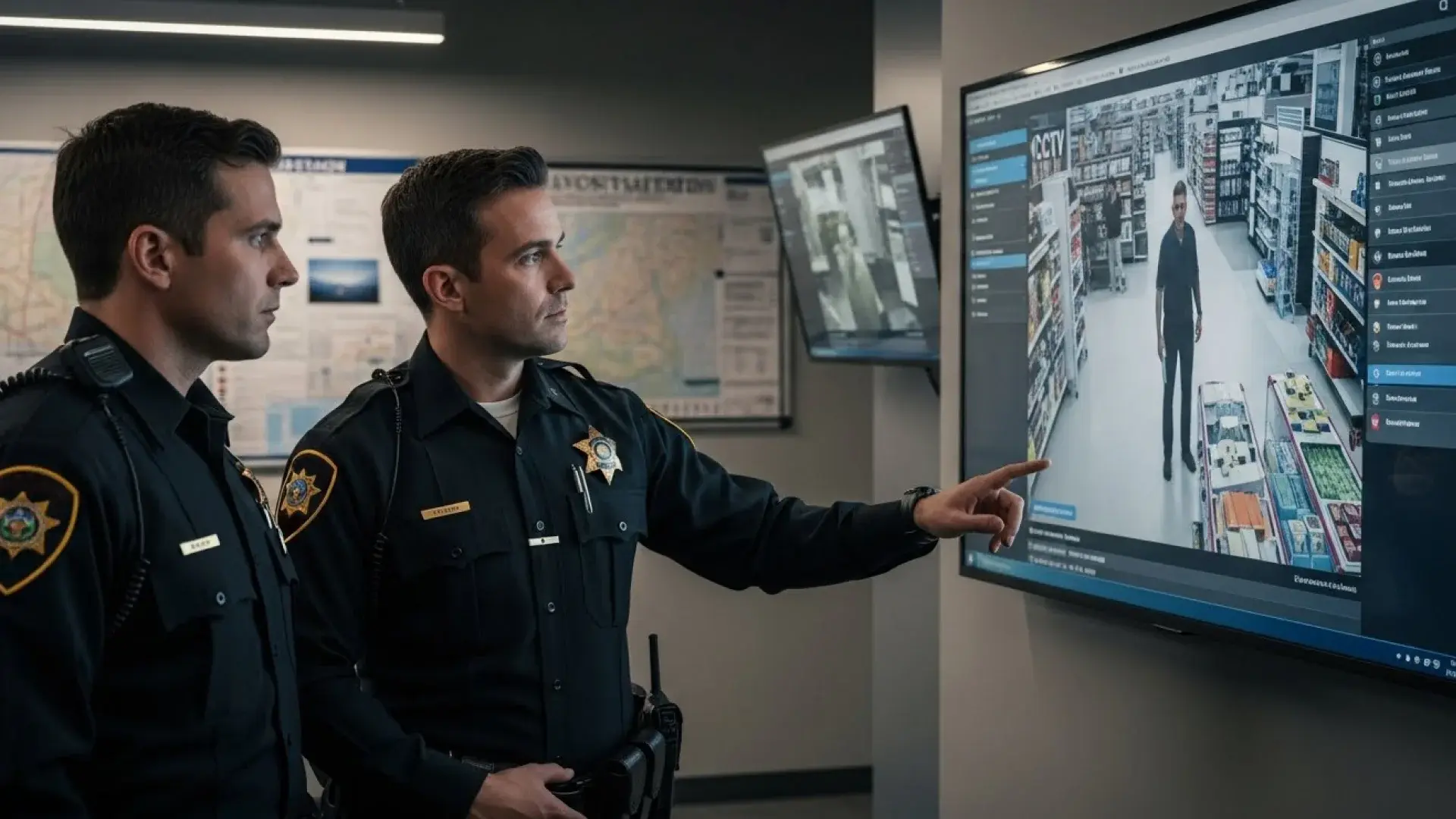
When a Body-Cam FOIA Request Lands on Your Desk
The request usually reads something like this:
“Please provide all body-worn camera footage related to the incident on [date].”
At that moment, most agencies know what comes next.
The footage is long. Multiple people appear in the video. Some are involved in the incident, others are not. Faces, homes, conversations, and bystanders are all visible. And the clock has already started.
Knowing how to redact body cam footage correctly is what determines whether the request moves forward smoothly or turns into a re-release, an appeal, or a public issue.
Body-cam FOIA requests are not hard because they are rare. They are hard because they are routine and every one of them carries privacy and compliance risk.
Why Body-Cam Footage Is Hard to Redact
Body-cam video is one of the most difficult record types to process for FOIA.
Multiple People in Every Frame
Body-cam footage often includes officers, suspects, victims, witnesses, and bystanders at the same time. Each person may need different levels of privacy protection.
Movement and Camera Shake
Unlike fixed cameras, body cams move constantly. Officers walk, run, and turn quickly. Manual redaction requires frame-by-frame work to keep faces covered.
Sensitive Locations and Bystanders
Footage may capture inside homes, private businesses, or medical situations. People who are not part of the incident still appear and must be protected.
These factors make body cam video redaction slow, error-prone, and risky when handled manually.
What FOIA-Compliant Body-Cam Redaction Requires
Redacting body-cam footage for FOIA is not just about blurring faces. It requires a defensible process.
Face and Object Detection
The software must reliably detect faces and other sensitive details such as license plates or screens, even in low light or fast movement.
Motion Tracking
Once detected, redaction must follow people as they move. Losing tracking mid-video creates privacy gaps.
Consistency Across Long Recordings
A single request may include hours of footage. Redaction must be applied consistently from start to finish.
Review and Auditability
Automation should support reviewers, not replace them. Staff must be able to review, adjust, and approve redactions. Every action should be logged for FOIA defensibility.
See how video redaction works for law enforcement.
Manual vs Automated Body-Cam Redaction
Many agencies still rely on manual redaction because it feels safer. In practice, it creates more risk.
Time Comparison
Manually redacting a long body-cam video can take several hours. Automated tools reduce review time by detecting and tracking sensitive elements automatically.
Risk of Missed PII
Fatigue and time pressure increase the chance of missed faces or identifiers. Missed PII leads to re-releases and appeals.
Re-Release Exposure
Once footage is released incorrectly, agencies must correct and re-release it. This creates more work, more scrutiny, and potential legal exposure.
This is why agencies are moving toward automated FOIA body cam redaction supported by human review.
How Agencies Use VIDIZMO REDACTOR for FOIA-Ready Body-Cam Redaction
Agencies responding to frequent FOIA requests involving body-worn camera footage need redaction workflows that are accurate, reviewable, and defensible. This is where purpose-built redaction software becomes essential.
VIDIZMO REDACTOR supports body-cam FOIA workflows by enabling agencies to:
- Upload body-cam footage in original formats
- Automatically detect faces and other sensitive elements
- Apply motion-aware masking that follows subjects across frames
- Review and adjust redactions before release
- Generate audit logs to support appeals or follow-up requests
Why this matters for FOIA compliance:
- Redactions remain consistent across long recordings
- Agencies can re-redact footage when requests change
- Reviewers retain full control at every step
See how video redaction software supports FOIA workflows.
How Agencies Handle Body-Cam FOIA Requests at Scale
Agencies that process body-cam FOIA requests at scale follow a clear workflow.
First, footage is uploaded in its original format.
Next, sensitive information is automatically detected and masked.
Staff then review and adjust redactions as needed.
An audit log is generated.
Finally, the redacted footage is released.
This human-in-the-loop approach keeps control with the agency while reducing manual effort.
Automation helps teams keep up. Oversight remains human.
Conclusion
Body-cam footage is one of the most requested and most sensitive records agencies release. Manual workflows cannot keep up with the volume, movement, and privacy risks involved.
To redact body cam footage accurately and defensibly, agencies need purpose-built tools designed for FOIA realities. Automation reduces risk, speeds up processing, and supports staff without removing control.

FAQ
Frequently Asked Questions
What needs to be redacted in body-cam footage for a FOIA request?
FOIA-compliant body-cam redaction goes beyond blurring faces. Agencies must redact faces of bystanders, witnesses, and uninvolved individuals, license plates, sensitive locations such as private homes or medical settings, and any identifying information visible on screen. Each person in the footage may require a different level of protection depending on their role in the incident.
Why is manual body-cam redaction risky for FOIA compliance?
Manual redaction of body-cam footage is slow and error-prone. Officers move constantly, making frame-by-frame tracking difficult. Fatigue and time pressure increase the chance of missed faces or identifiers. A single missed detail can trigger re-releases, appeals, or legal exposure. Automated redaction with human review reduces these risks significantly.
How does automated body-cam redaction software handle motion tracking?
Automated tools use AI to detect faces, license plates, and other sensitive elements, then apply motion-aware masking that follows subjects across frames. This eliminates the manual effort of tracking movement and ensures redactions do not drop mid-video. Reviewers can still adjust and approve every redaction before release, keeping the agency in full control.
How long does it take to redact body-cam footage for a FOIA request?
Manual redaction of a long body-cam video can take several hours per file. With automated redaction software, processing time is reduced substantially because detection and tracking are handled by AI. Staff focus on review and approval rather than frame-by-frame work, allowing agencies to handle higher request volumes without adding headcount.
TopicsFOIA Redaction
About the author
Hassaan Mazhar is a B2B SaaS content strategist at VIDIZMO specializing in AI redaction, compliance technology, and enterprise content marketing. He builds trust-driven narratives for legal, public sector, and enterprise audiences navigating data privacy and video intelligence challenges.
You may also like
Video Redaction Best Practices: Motion, Frame Rates, Tracking and Failing Safe
I led our video redaction project for a county public safety agency where two people handled every disclosure, and ...
Redacting Dash Cam, Body Cam and Drone Footage From a Moving Camera
A fleet claims manager preparing crash footage for an insurer and defense counsel is doing a different job from a ...
Why Frame-Rate Headers Lie: Redacting Variable Frame Rate Video
A video file keeps time frame by frame, and the frames-per-second figure a player displays is a summary of that timing, ...