
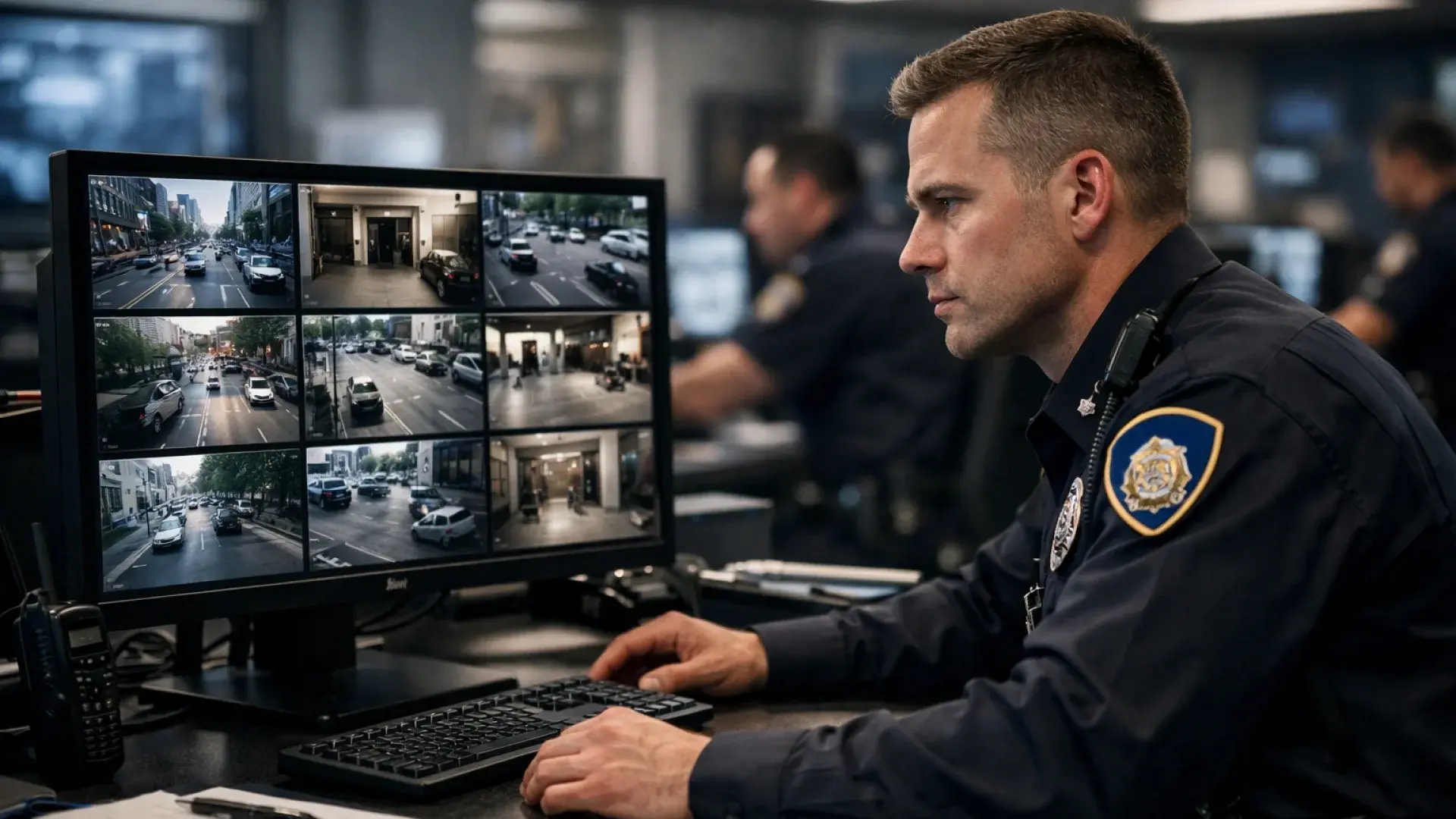
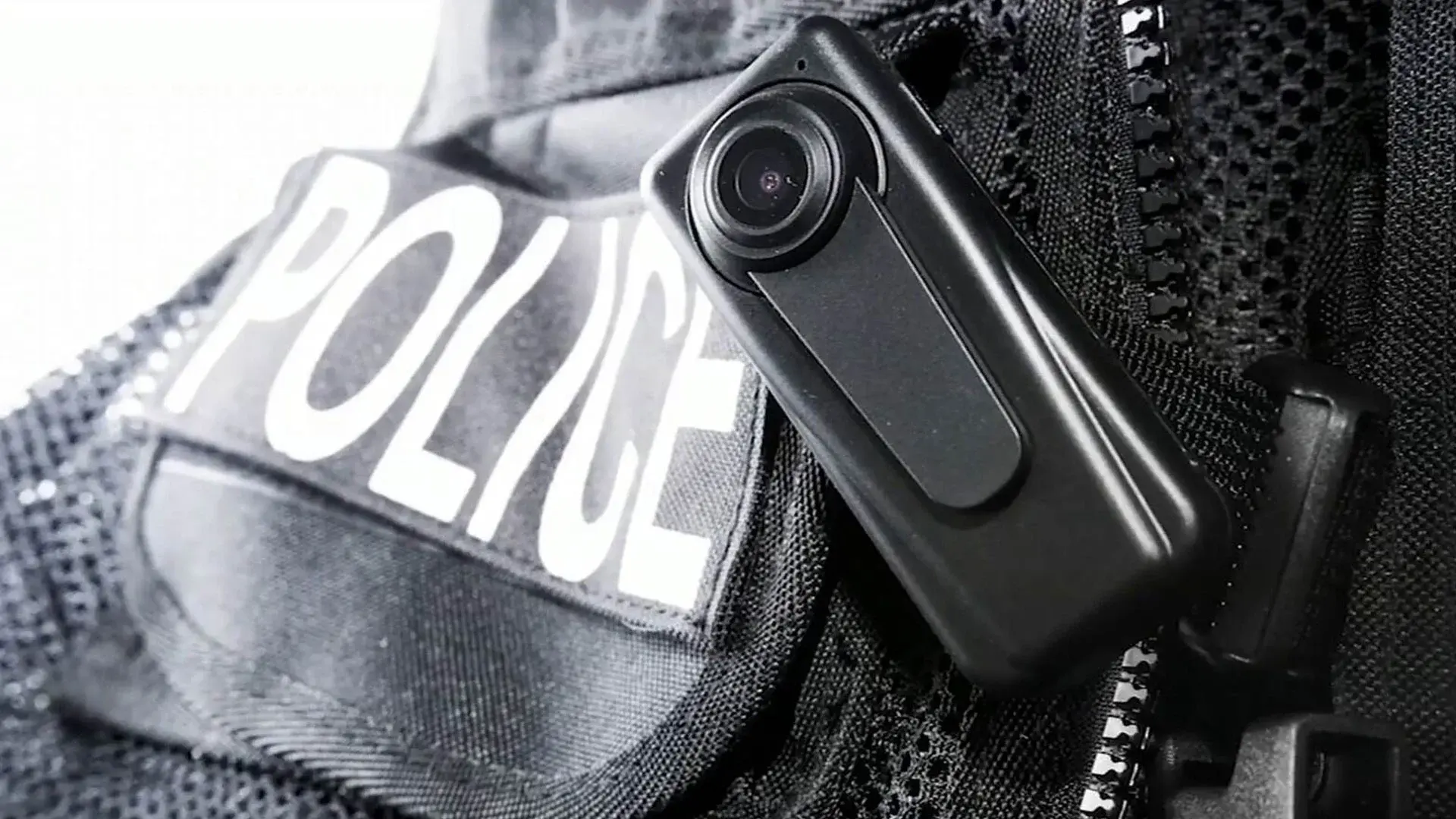
Law enforcement agencies around the world are facing a problem that did not exist at this scale even a decade ago: an overwhelming surge of digital evidence. Body-worn cameras, dashcams, CCTV systems, interview recordings, mobile phone extractions, and drone footage have transformed how investigations are conducted — but they have also introduced a volume and complexity of data that traditional workflows were never designed to handle.
Digital evidence was meant to bring clarity. Instead, for many agencies, it has created bottlenecks, backlogs, and operational strain that slow investigations and delay justice.
The Explosion of Digital Evidence Isn’t Slowing Down
The rise in digital evidence is not accidental. It is the direct result of deliberate policy decisions and technological advances. Body-worn cameras are now standard across many jurisdictions. Surveillance systems capture more footage at higher resolutions. Mobile devices generate vast quantities of photos, videos, and messages that are routinely pulled into investigations.
According to the U.S. Department of Justice, a single body-worn camera can generate several hours of high-definition video per officer per shift, quickly adding up to terabytes of data across an agency each year.
At the same time, public records laws and FOIA requests have expanded access expectations. Agencies are under increasing pressure to release video and audio evidence quickly, while still protecting privacy and complying with disclosure laws.
What once required reviewing a handful of documents now requires reviewing hours or days of multimedia evidence per case.
AI Has Also Become Part of the Problem
Artificial intelligence is often discussed as the solution — but it is also contributing to the scale of the challenge.
AI-generated and AI-enhanced content has made forged, manipulated, and synthetic evidence more common. Deepfakes, altered videos, and synthetic audio can be produced faster and more convincingly than ever before. This increases both the volume of material investigators must review and the burden of verifying authenticity.
The National Institute of Standards and Technology (NIST) has highlighted the growing risk of synthetic media in criminal investigations, warning that agencies must prepare for higher verification workloads as AI-generated content becomes more accessible.
In other words, AI is accelerating both sides of the equation:
- More content is being created
- More scrutiny is required to determine what is real, relevant, and releasable
This has turned Digital Evidence Management into an AI vs. AI problem.
Manual Workflows Were Never Designed for This Scale
Despite advances in technology, much of the work surrounding digital evidence remains manual.
Investigators and records teams are still expected to:
- Review footage frame by frame
- Identify faces, bystanders, and sensitive details
- Manually redact audio and video
- Summarize evidence across multiple formats
- Re-enter the same information into multiple systems and forms
Even modern ecosystems — including CAD systems, Digital Evidence Management platforms, and mobile forensics tools — often address specific parts of the workflow, not the full lifecycle of evidence review, redaction, and disclosure.
The challenge is not that these platforms lack capability. The challenge is that workflows fragment downstream, especially when evidence must be shared with prosecutors, courts, or the public in different formats and under different legal constraints.
The result is predictable:
- Case preparation takes longer
- FOIA backlogs grow
- Disclosure risks increase
- Highly trained personnel spend hours on repetitive, non-investigative tasks
The Compliance Risk Keeps Rising
Every additional minute of footage reviewed manually increases exposure to error.
Missed faces, unredacted audio, or overlooked personal identifiers can lead to:
- Privacy violations
- Legal challenges
- Loss of public trust
- Reputational damage to agencies
According to the International Association of Chiefs of Police (IACP), improper handling or release of digital evidence is now one of the fastest-growing sources of legal risk for departments using body-worn cameras.
The pressure to release evidence quickly often conflicts directly with the need to release it correctly.
Why AI Is Becoming Necessary — Not Optional
The same technology contributing to evidence growth is also the only realistic way to manage it.
AI-powered redaction and evidence processing tools are increasingly being adopted to:
- Automatically detect faces, people, license plates, and sensitive objects in video
- Identify and redact spoken personally identifiable information in audio
- Generate searchable transcripts and timelines
- Help investigators and records teams focus on relevance instead of raw review
This does not replace human judgment. Instead, it removes the mechanical burden that slows investigations and increases risk.
By shifting repetitive tasks to AI-assisted workflows, agencies can:
- Reduce evidence review time dramatically
- Improve consistency in redaction
- Respond to FOIA and public records requests faster
- Preserve investigator time for analysis, not editing
A Shift Toward Category-Based AI Solutions
Rather than relying solely on manual review or isolated tools, agencies are increasingly evaluating AI-powered redaction platforms and digital evidence workflow solutions as part of a broader modernization effort.
These platforms are designed to:
- Work across video, audio, images, and documents
- Support on-premises or secure cloud deployments
- Maintain auditability and chain of custody
- Adapt to evolving disclosure and privacy requirements
One example in this category is VIDIZMO REDACTOR, which focuses on AI-assisted redaction and secure evidence workflows for public-sector environments. Tools like this reflect a broader industry shift toward using AI defensively — to manage the very complexity that AI has helped create.

The Reality Law Enforcement Is Facing
Digital evidence is not going away. It is increasing in volume, variety, and legal importance.
At the same time:
- AI-generated content is raising the bar for verification
- Public expectations for transparency are rising
- Budgets and staffing levels remain constrained
The agencies that succeed will not be those that try to process more evidence manually. They will be the ones that use AI deliberately and responsibly to regain control over evidence workflows.
In today’s environment, AI is no longer just a tool for innovation.
It is becoming essential for sustainability.
Ready to See How AI Redaction Works in Practice?
Understanding the challenge is the first step. Seeing how modern AI-powered redaction tools handle real-world law enforcement evidence is the next.
If your agency is dealing with growing volumes of video, audio, and digital evidence — and wants to explore how AI-assisted redaction can reduce manual workload while protecting privacy — you can learn more or try it firsthand.

FAQ
Frequently Asked Questions
Why do police departments have so much digital evidence now?
Police departments collect more digital evidence than ever because of body-worn cameras, dashcams, CCTV systems, phone extractions, and recorded interviews. Each incident can generate hours of video and audio, which quickly adds up and creates review and storage challenges.
How long does it take to review and redact police video evidence?
Manually reviewing and redacting police video can take several hours for just a few minutes of footage. When agencies handle large volumes of bodycam or CCTV video, this process often leads to backlogs and delayed public records responses.
Why is video redaction such a challenge for law enforcement?
Video redaction is difficult because officers must identify and protect faces, bystanders, minors, license plates, and other sensitive details. Doing this manually increases the risk of missing something important, especially when deadlines for FOIA or public records requests are tight.
How is AI changing the way police handle digital evidence?
AI helps police agencies process digital evidence faster by automatically identifying sensitive information in video and audio. Instead of reviewing footage frame by frame, teams can focus on verifying and approving redactions, saving time while reducing errors.
Can AI-generated videos and deepfakes affect police investigations?
Yes. AI-generated videos and audio, including deepfakes, are becoming more common and can increase the amount of digital material police must review and verify. This adds another layer of complexity, making efficient evidence review tools more important than ever.
TopicsRedactionDocument Redaction
About the author
Hassaan Mazhar is a B2B SaaS content strategist at VIDIZMO specializing in AI redaction, compliance technology, and enterprise content marketing. He builds trust-driven narratives for legal, public sector, and enterprise audiences navigating data privacy and video intelligence challenges.
You may also like
Video Redaction Best Practices: Motion, Frame Rates, Tracking and Failing Safe
I led our video redaction project for a county public safety agency where two people handled every disclosure, and ...
Redacting Dash Cam, Body Cam and Drone Footage From a Moving Camera
A fleet claims manager preparing crash footage for an insurer and defense counsel is doing a different job from a ...
Why Frame-Rate Headers Lie: Redacting Variable Frame Rate Video
A video file keeps time frame by frame, and the frames-per-second figure a player displays is a summary of that timing, ...