
Why Redaction Is Now Mission-Critical for Law Enforcement
Law enforcement agencies are releasing more records than ever before. At the same time, the risk of releasing something that should not be public has never been higher.
Body-worn cameras, dash-cams, CCTV, and interview recordings are now part of everyday policing. These videos and audio files are routinely requested through FOIA, RTK, and public disclosure laws. Each release must protect victims, minors, officers, and bystanders—without delaying the response.
This is why agencies are actively evaluating the best redaction software for law enforcement in 2026. Redaction is no longer just a records task. It is a compliance, risk, and public trust issue.
Why Law Enforcement Redaction Is Different
Redaction for law enforcement is not the same as redaction for other industries. The stakes are higher, and the workload is heavier.
FOIA and RTK Pressure
Public records laws impose strict deadlines. Missing a deadline or releasing incomplete redactions can lead to appeals, lawsuits, and public criticism.
Agencies often describe the challenge as “too much video, not enough time.”
Video-Heavy Evidence
Unlike document-only environments, law enforcement redaction is dominated by video and audio. A single request may include hours of footage that must be reviewed frame by frame if done manually.
Accuracy, Speed, and Defensibility
Speed matters, but accuracy matters more. One missed face or license plate can force a re-release and trigger legal review. Agencies also need clear audit trails to defend how and why redactions were applied.
This combination makes law enforcement redaction software a specialized requirement, not a generic purchase.
What to Look for in Redaction Software for Law Enforcement
Not all redaction tools are built for police agencies. When evaluating options, these capabilities matter most.
Video Redaction Accuracy
The software must accurately detect and track faces, license plates, and other identifiers across long videos and moving scenes. Inconsistent masking creates compliance risk.
Audio Redaction for Interviews and Calls
Interview recordings and calls often include spoken names, addresses, and phone numbers. Audio redaction should work directly on speech, not just transcripts.
Batch Processing at Scale
Agencies rarely redact one file at a time. The ability to process multiple videos, audio files, and documents together is critical for handling backlogs.
Review and Audit Trails
Automation should assist reviewers, not replace them. Officers and records staff must be able to review, adjust, and approve redactions. Every action should be logged.
Deployment Options
Some agencies require cloud deployment. Others need on-prem systems due to policy or infrastructure constraints. Flexibility matters.
See how video redaction works for law enforcement.
Best Redaction Software Capabilities for Police Agencies
The best redaction software for law enforcement supports the full range of records agencies handle every day.
AI-Powered Video Redaction
AI automatically detects faces and other sensitive elements throughout video footage. This reduces manual review time while improving consistency.
Audio and Spoken PII Detection
Audio redaction tools identify and mute spoken PII in interviews, calls, and recordings. Reviewers can listen and confirm before release.
Document and Image Redaction
FOIA responses often include reports, forms, and scanned documents. Redaction software should handle text-based and image-based records in the same workflow.
Reviewer Control
Nothing should be released without human approval. Purpose-built tools keep reviewers in control while reducing repetitive work.
Manual vs AI Redaction for Law Enforcement
Many agencies still rely on manual redaction because “that’s how it’s always been done.” In 2026, this approach carries real cost and risk.
Time Impact
Manual redaction takes hours per video. AI-assisted redaction cuts review time significantly, helping agencies meet deadlines.
Risk of Human Error
Fatigue and time pressure increase the chance of missed PII. AI applies detection consistently, reducing gaps.
Cost Implications
Manual workflows appear cheaper upfront but cost more over time through staff hours, re-releases, appeals, and legal exposure.
This is why agencies are shifting toward video redaction software for law enforcement that combines automation with human review.
How Agencies Evaluate Redaction Tools in 2026
Evaluation today goes beyond features.
Procurement teams look for tools that align with IT standards, security requirements, and compliance obligations. Records units look for tools that reduce workload without adding complexity. Leadership looks for defensibility and cost control.
The strongest tools meet all three needs without forcing agencies into rigid workflows.
Conclusion
Law enforcement agencies face growing pressure to release records quickly while protecting sensitive information. Video, audio, and public scrutiny have changed what redaction requires.
The best redaction software for law enforcement is purpose-built for these realities. It supports video-heavy workloads, reduces risk, and helps agencies meet public disclosure obligations without losing control.

FAQ
Frequently Asked Questions
Q1: What is the difference between manual and AI redaction for law enforcement?
Manual redaction requires officers to review footage frame by frame, which takes hours per video and increases the risk of missed PII due to fatigue. AI-assisted redaction automatically detects faces, license plates, and spoken identifiers across long recordings with consistent accuracy. The best approach combines AI automation with a human review step before any file is released.
Q2: Does law enforcement redaction software handle audio, not just video?
Yes. Purpose-built redaction tools for law enforcement process audio separately from video. They detect and mute spoken PII such as names, addresses, and phone numbers directly from interview recordings and calls. Reviewers can listen and confirm redactions before release, which is critical for FOIA compliance.
Q3: Can redaction software process multiple files at the same time?
Yes. Batch processing is a core requirement for police agencies managing large backlogs of body-cam and dash-cam footage. Strong redaction platforms let you queue multiple videos, audio files, and documents together and process them simultaneously, reducing turnaround time for public records requests.
Q4: Does redaction software for law enforcement work on-premises or only in the cloud?
Both deployment options exist. Some agencies require cloud-based solutions for scalability, while others need on-premises deployment due to internal IT policy or data sensitivity requirements. When evaluating tools, confirm whether the vendor supports your agency's deployment model before committing.
Q5: What makes redaction software defensible for public records releases?
Defensibility comes from audit trails. Every redaction decision, whether automated or manually adjusted, should be logged with a timestamp and reviewer ID. This documentation protects agencies during appeals, legal challenges, or oversight reviews by showing exactly how and why specific information was redacted before release.
TopicsRedaction
About the author
Hassaan Mazhar is a B2B SaaS content strategist at VIDIZMO specializing in AI redaction, compliance technology, and enterprise content marketing. He builds trust-driven narratives for legal, public sector, and enterprise audiences navigating data privacy and video intelligence challenges.
You may also like
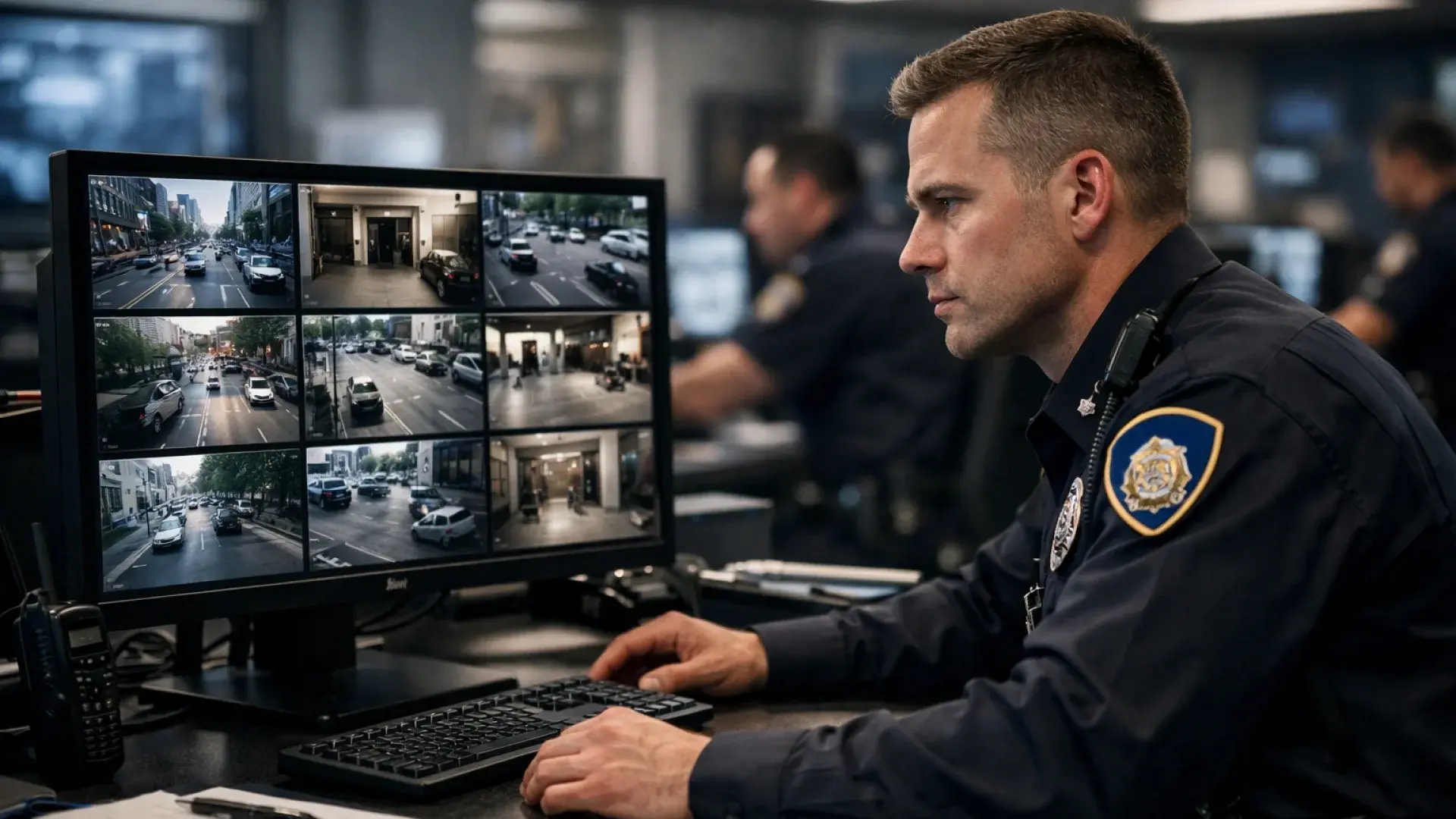
Video Redaction Best Practices: Motion, Frame Rates, Tracking and Failing Safe
I led our video redaction project for a county public safety agency where two people handled every disclosure, and ...
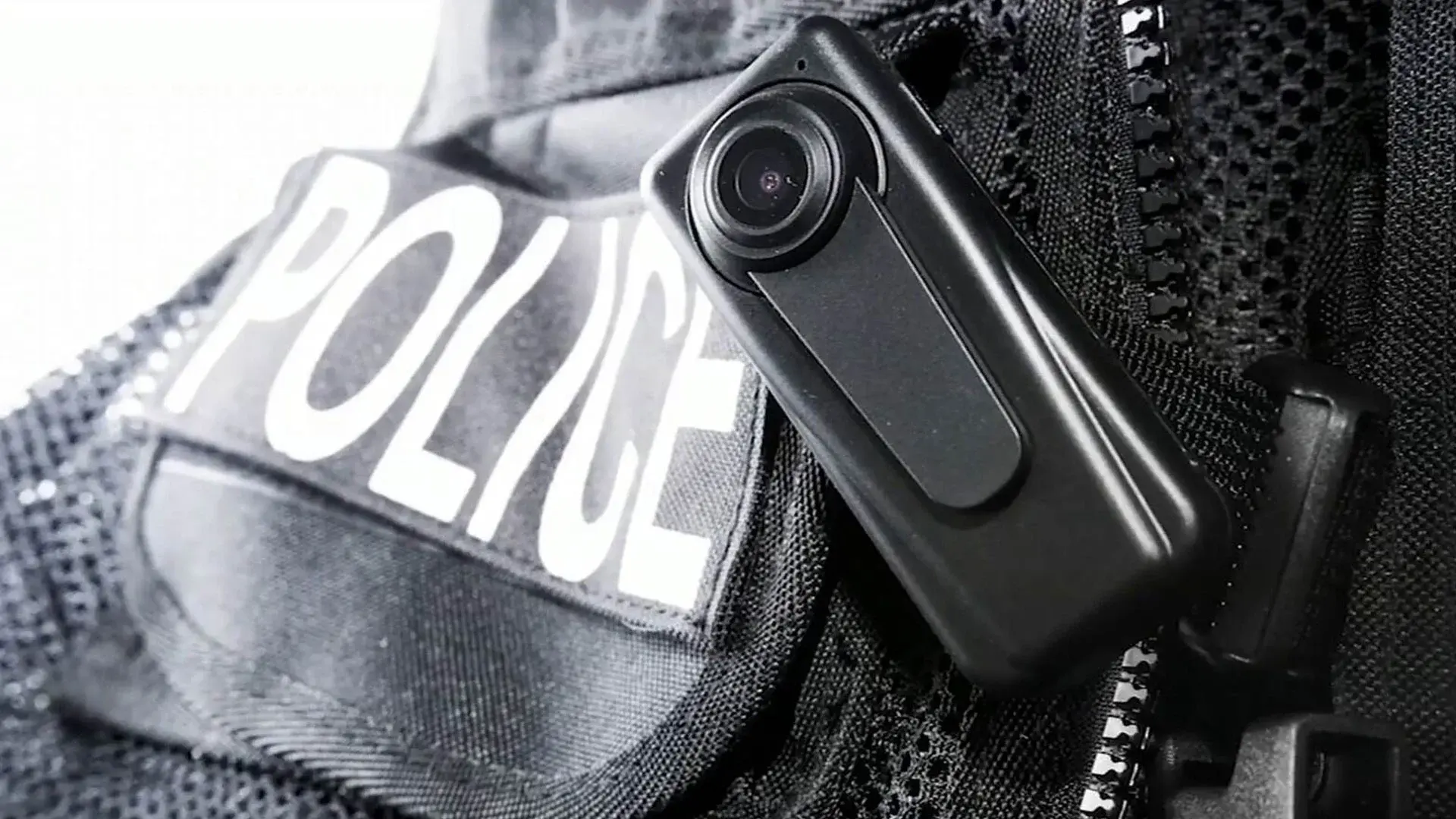
Redacting Dash Cam, Body Cam and Drone Footage From a Moving Camera
A fleet claims manager preparing crash footage for an insurer and defense counsel is doing a different job from a ...

Why Frame-Rate Headers Lie: Redacting Variable Frame Rate Video
A video file keeps time frame by frame, and the frames-per-second figure a player displays is a summary of that timing, ...