
by Hassaan Mazhar, Last updated: August 8, 2026

You already know you have a PII exposure problem. The painful part is you probably cannot quantify it until after something slips through.
A missed social security number in a training video goes public. A customer call with full credit card details gets shared internally without controls. A legal recording lands in discovery with faces and names still visible. No one intends this. It happens because your current redaction process relies on manual effort, siloed tools, and pressure to move fast.
On the surface, the process looks fine. Legal signs off. Security signs off. Compliance signs off. Yet every manual step, every copy of a file, every handoff is another chance to miss one piece of personally identifiable information. When that happens, the cost is not just regulatory penalties. It is external investigations, internal forensics, reputational damage, and a permanent loss of trust with customers, employees, and regulators.
This is why many teams now treat PII redaction software as critical infrastructure instead of a nice to have utility. The stakes for redaction accuracy and auditability are higher than ever, and buyers can no longer rely on lightweight tools or homegrown scripts.
Why PII redaction software has become a compliance necessity
The compliance landscape is not easing up. It is tightening around how you collect, process, and share PII across every medium: documents, video, audio, and images.
Several trends push organizations toward modern PII redaction software:
- Regulations are broad and overlapping such as GDPR, CCPA, HIPAA, PCI DSS, GLBA, and regional privacy laws
- Media formats are expanding especially video calls, virtual hearings, remote support sessions, and recorded training
- Data volumes are rising which makes manual redaction inconsistent and costly
- Discovery and disclosure demands are increasing from courts, regulators, and public records requests
If you still rely on manual blur tools, desktop editors, or basic transcription-only approaches, you feel this strain. Your team spends hours scrubbing recordings, second-guessing what counts as PII, and managing version chaos.
Modern pii redaction software responds to this by automating detection, centralizing control, and providing documented proof that you handled sensitive content correctly. In other words, it turns redaction into a repeatable, defendable process instead of a one-off task.
Core business pain points pii redaction software must solve
To choose the right platform, start with the pain, not the features. The organizations that see the highest value from pii redaction software are clear on the problems they need to eliminate.
Manual effort and inconsistent accuracy
Most teams still rely on human reviewers scrubbing video and audio in real time or faster. The pain points are familiar:
- High labor cost per hour of content
- Inconsistent interpretations of what to redact
- Reviewer fatigue leading to missed details
- No reliable metrics on accuracy or coverage
Automated pii redaction helps reduce this manual burden. However, automation alone is not enough if you cannot review, correct, and approve results with confidence.
Complex media types and fragmented tools
In many organizations, different teams use different tools for different media:
- One tool for documents
- Another for video and audio files
- Separate workflows for call recordings and web conferences
This fragmentation creates blind spots. PII that moves from one system to another can escape consistent policies. Your pii redaction software should help you standardize redaction across video, audio, and documents instead of increasing tool sprawl.
Regulatory risk and poor auditability
When something goes wrong, the first questions from regulators and legal teams are simple:
- Who accessed the content
- What was redacted and when
- Who approved the final version
- What rules or policies guided the redaction
If your process lives in email threads and local editing tools, you have no defensible trail. This is where enterprise redaction software changes the dynamic. It gives you logs, reports, and workflow history to show that your controls are not theoretical. They are applied in practice.
Key features every enterprise PII redaction software should include
Once you define the pain, you can evaluate capabilities with more precision. Below are the core capabilities that matter for enterprise buyers deciding on pii redaction software.
Accurate automated detection across video, audio, and text
Accuracy is the baseline. Your solution should provide automated pii redaction that can handle:
- Faces and on-screen identifiers in video content
- Spoken PII in audio tracks such as names, addresses, phone numbers, account numbers
- On-screen text, captions, and transcripts
- Structured identifiers such as credit card numbers or social security numbers
Look for ai pii redaction capabilities that use speech recognition, computer vision, and pattern detection together. A point solution that only works on transcripts or only supports images will force you to maintain manual workarounds for everything else.
Human in the loop review and approval
Full automation sounds efficient, but in regulated environments you rarely want a black box system. Human in the loop review allows your team to:
- Validate and correct auto detected PII segments
- Add additional redactions based on legal or contractual nuance
- Approve final redacted versions before external sharing
This is especially important for pii redaction software for video and audio because context matters. A name might be public in one scenario and sensitive in another. Your platform should support a review interface that is practical for compliance teams, not just technical staff.
Configurable redaction rules and policies
Not all PII is treated the same. Your policy for health data, payment data, and internal employee data may differ. Good pii redaction software allows you to:
- Define custom PII categories and detection rules
- Apply policies by business unit, geography, or use case
- Adjust thresholds for confidence levels and alerts
This brings your compliance framework into the tool, rather than forcing teams to remember every nuance on every file.
Media native redaction for video and audio
Some solutions extract transcripts, redact words, and then overlay changes back onto media. This can create misalignment between spoken content and visual redaction. For pii redaction software for video and audio, expect:
- Frame accurate redaction of faces and on screen data
- Time aligned audio redaction that preserves context but removes PII
- Consistent redaction across original tracks, captions, and transcripts
The goal is secure pii redaction that does not degrade the overall usability of the content more than necessary.
Audit trails, reporting, and governance
Compliance redaction software must provide evidence. As you evaluate platforms, look for:
- Comprehensive activity logs on who accessed, edited, or approved content
- Version history between original and redacted files
- Reports summarizing redaction actions across departments or time periods
Without this, you cannot demonstrate due diligence if something is challenged in court or by a regulator.
Performance, scalability, and integration
Finally, the platform has to work in your real environment. Enterprise redaction software should support:
- Batch processing for large volumes of content
- API based integration with content management systems, archives, and case management platforms
- Flexible deployment options such as cloud, private cloud, or on premises
PII risk does not sit in one folder. It spreads across systems. Your pii redaction software should not create another isolated island of content. It should integrate into your broader data and video ecosystem.
Compliance standards your PII redaction software must support
Different industries face different regulators, but the underlying expectation is similar. You must identify, control, and minimize the exposure of PII. Your solution should align with the specific obligations you carry.
Privacy regulations and data minimization
Under GDPR, CCPA, and other privacy laws, you are expected to minimize the use and sharing of personal data. Redaction helps you share content without exposing more PII than necessary. Your pii redaction software should support:
- Granular control over what is redacted based on jurisdiction
- Support for data subject access requests where PII must be removed before sharing
- Retention policies for original and redacted files
Sector specific requirements
In healthcare, financial services, public sector, and education, you have additional rules to follow.
- Healthcare requires protection of PHI and adherence to HIPAA security and privacy rules
- Financial services must safeguard account data and align with GLBA and PCI DSS
- Public sector must comply with open records laws while redacting citizen PII appropriately
Look for compliance redaction software that already supports these use cases. Ask for examples of how other customers handle similar regulatory scenarios, so you are not inventing workflows from scratch.
Security posture and certifications
Secure pii redaction depends on where and how your content is processed. Evaluate security controls with the same rigor you apply to any other system that touches sensitive data.
- Encryption of data in transit and at rest
- Role based access control and SSO integration
- Support for customer managed keys where needed
- Relevant certifications such as ISO 27001 or SOC 2
If the vendor cannot answer detailed questions about their security model, keep looking. Redaction is only one layer of protection. The platform itself has to meet your security bar.
How to evaluate and choose the right PII redaction software
By the time you are comparing solutions, you probably have a shortlist. At this stage, the risk is that you focus on surface features and overlook how the platform will behave in your real workflows.
Map your use cases and content flows
Start by listing the main scenarios where you need to redact personally identifiable information.
- External sharing of customer support recordings
- Publishing training and onboarding videos
- Responding to legal discovery and FOIA requests
- Sharing research or analytics data without PII
For each scenario, document:
- Source systems for the content
- Types of PII involved
- Who reviews and approves redactions
- Where and how the redacted version is shared
Then, validate that each pii redaction software option can support these flows end to end, not just run a one off redaction task.
Run realistic accuracy and workload tests
Demo environments tend to showcase ideal content. You need to see how the system behaves on your material.
- Test video and audio with accents, crosstalk, and background noise
- Include content with mixed PII types such as faces plus spoken names plus on-screen numbers
- Measure manual correction time after automated pii redaction
The goal is not perfection. It is predictable performance that your team can operationalize.
Assess governance, ownership, and change management
PII redaction touches legal, compliance, security, and operations. Clarify who will own:
- Policy configuration within the tool
- Exception handling and approvals
- Ongoing training and onboarding for reviewers
Your chosen pii redaction software should make it simple to adapt policies over time without heavy engineering effort.
Evaluate vendor support and roadmap
Finally, consider the vendor relationship. Enterprise redaction software is not a one time purchase. It is a long term capability.
- Support models and SLAs
- Frequency of updates and enhancements
- Roadmap alignment with your future use cases such as new languages or additional media types
Ask specific questions about how they support customers in your industry during audits or incidents. Their answers will show whether they understand the stakes you face.
Using an enterprise platform example to ground your evaluation
It can help to anchor these criteria in a concrete example. Consider an enterprise focused solution such as VIDIZMO REDACTOR, which is designed as an enterprise redaction software platform rather than a single purpose utility.
Platforms in this category typically provide:
- Automated PII redaction across video, audio, and documents
- AI driven detection for faces, on screen text, and spoken PII
- Centralized workflows for human review and approval
- Detailed audit logs and reporting for compliance teams
- API integration with video content management and archives
When you review a solution like VIDIZMO REDACTOR, look at how it operationalizes secure pii redaction in your environment. For example:
- Can your teams submit content directly from existing repositories
- How quickly can reviewers navigate and adjust auto detected PII segments
- What governance controls exist to prevent unauthorized access to originals
From there, you can engage with the vendor to explore product capabilities and live demonstrations. For buyers looking at a platform like VIDIZMO REDACTOR, that typically means reviewing product detail pages and booking a tailored demo focusing on your high risk use cases.
The key is to use any enterprise example as a lens for your requirements, not as a checklist of generic features. Match the platform to the concrete problems and risks you identified at the start.

About the Author
Jump to
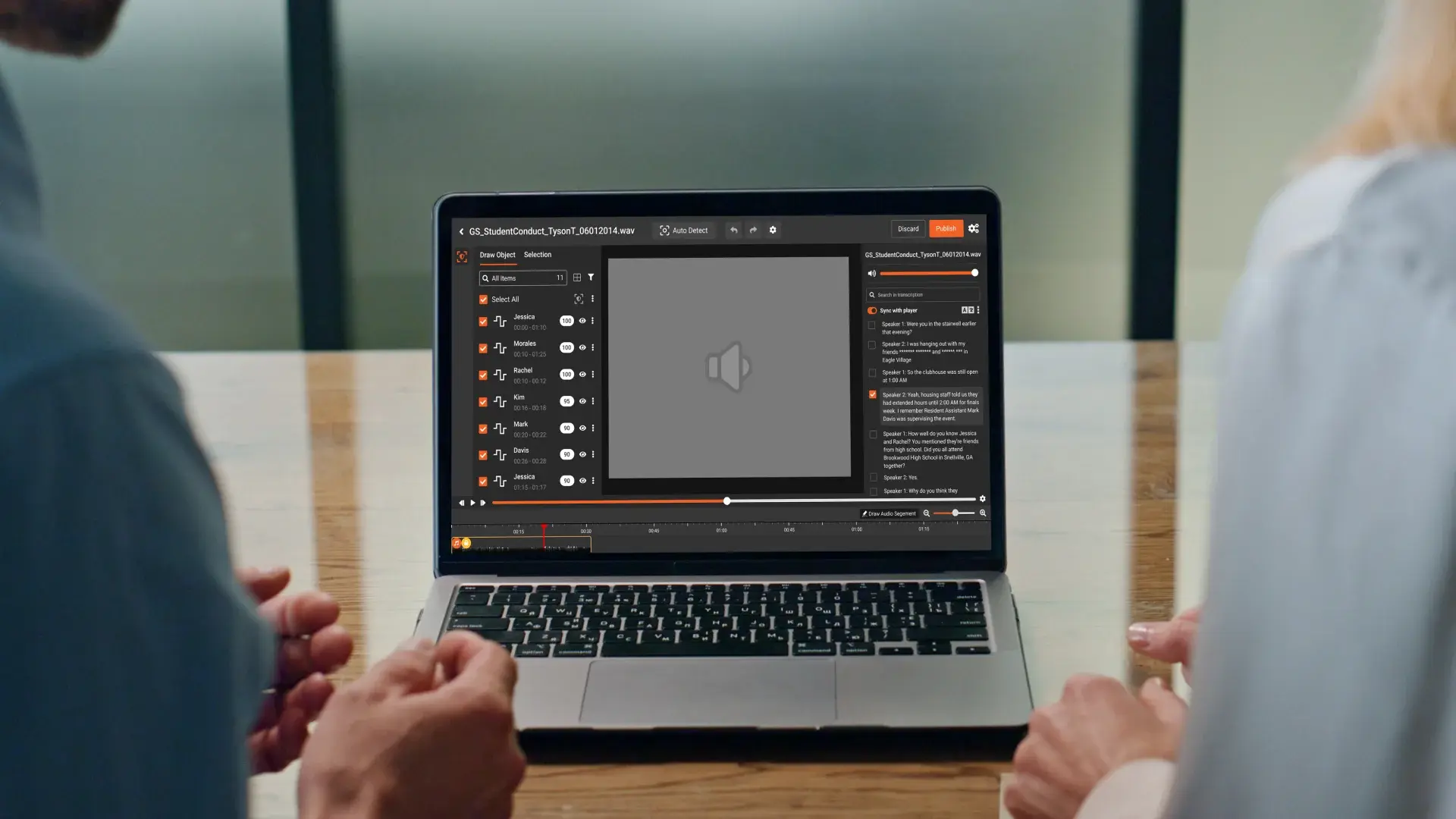
Best Redaction Software in 2026 | Buyer’s Guide
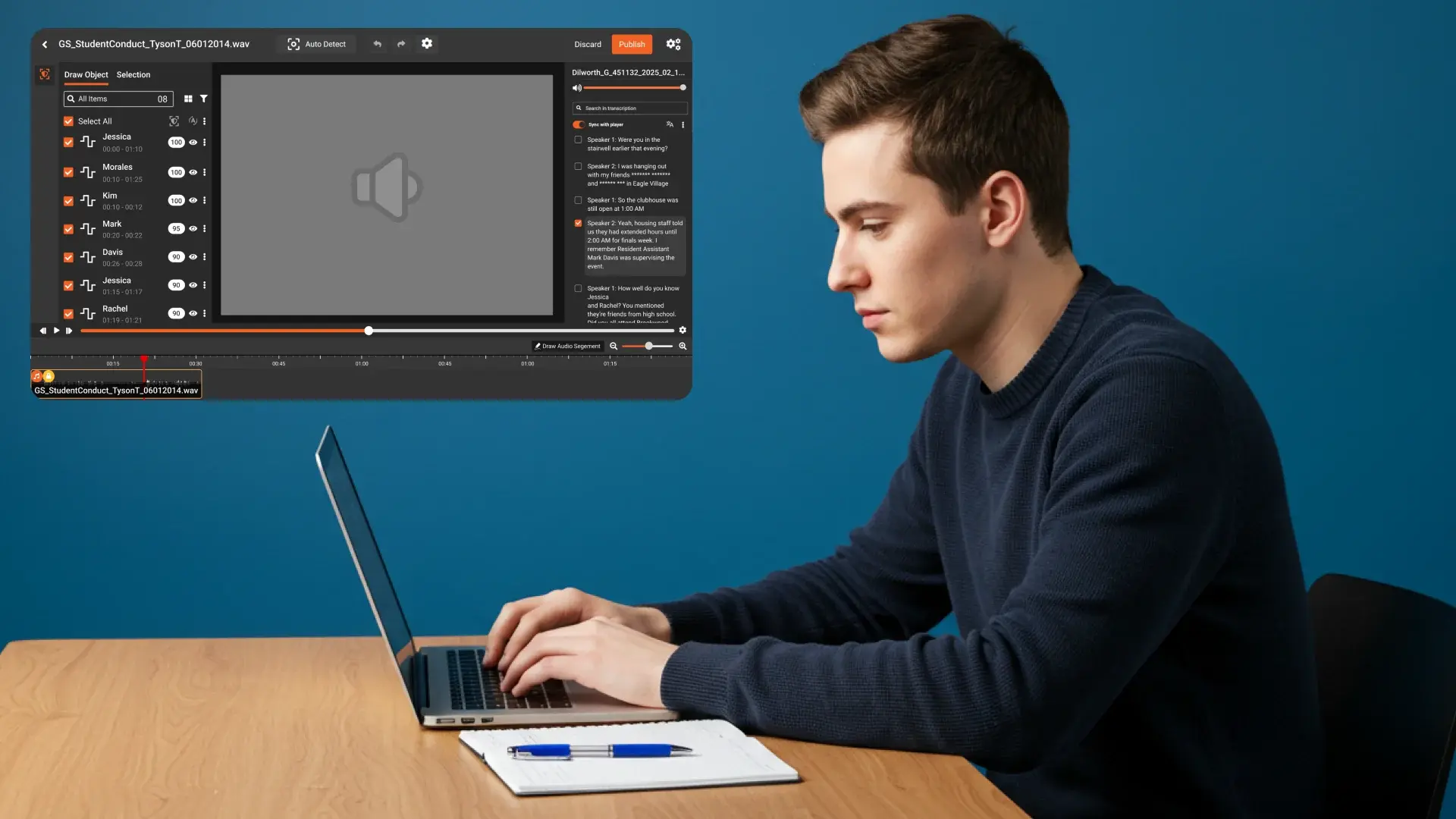
Top Software for Redacting Visual and Auditory PII


No Comments Yet
Let us know what you think