Many countries have “right to information” laws. In the United States, this is often done through public records requests, in which citizens and journalists can request documents from government agencies.
This system is meant to improve transparency. But when agencies release documents, they’re supposed to hide (redact) information that could violate privacy or create safety risks.
Recently, U.S. reporting described a major incident where a public-records release accidentally exposed a massive amount of sensitive vehicle-tracking information, including millions of license plate numbers and related investigative details, because the files were not properly redacted before being shared publicly. (404media.co)
This post explains how these accidents happen and how organizations can prevent them.
What is “redaction” in plain language?
Redaction means removing or hiding private information before sharing a document.
Think of it like posting a screenshot online:
You want to show the message,
But you must cover your phone number, address, bank details, or CNIC.
In government records, redaction is used to protect things like:
personal identifiers (names, addresses, phone numbers),
details that could put victims or witnesses at risk,
information that could disrupt an active investigation.
What went wrong in the incident?
The incident described in the report was not framed as a “hack.” It was a process mistake: documents were released publicly, but sensitive parts were not properly removed first. (404media.co)
The leaked data included:
huge volumes of license plate numbers,
timestamps and activity logs,
and context that can be sensitive in law enforcement work.
Once information like this becomes public, it can spread quickly and be difficult to take back.
A simple example (why unredacted logs are risky)
Imagine a shared file that says:
Vehicle plate: ABC-123 — searched on Jan 10 — “robbery investigation”
Vehicle plate: XYZ-999 — searched on Jan 11 — “domestic violence case”
Vehicle plate: HYU-777 — searched on Jan 12 — “undercover operation”
If the plate numbers are not redacted:
An innocent person can be wrongly linked to a crime,
victims/witnesses can be exposed,
And criminals can learn patterns about investigations.
At small scale, this is harmful. At large scale (millions of entries), it becomes a serious public safety and privacy incident. (404media.co)
Why do these mistakes happen (common causes)
Redaction errors are more likely when records are:
very large (thousands of pages or millions of rows),
structured (logs, spreadsheets, exported tables),
full of repeating identifiers (plate numbers, case IDs, phone numbers).
Manual redaction often fails because:
Humans miss repeats,
data exists in multiple formats (PDF + CSV + screenshots),
and some “blackouts” only hide text visually while leaving the underlying data intact.
How to prevent redaction disasters (a practical checklist)
Here’s a safer approach for any organization releasing records to the public:
1) Treat logs and exports as high-risk
Audit logs, access logs, tracking logs, and exported databases often contain identifiers and sensitive context. They need careful review.
2) Use consistent rules, not one-off edits
If one identifier appears 100 times, it must be removed 100 times. Use repeatable, rule-based redaction (patterns, dictionaries, entity detection).
3) Verify the output
Before publishing:
search for identifiers that should not appear,
test copy/paste and text search in the final files,
confirm sensitive data is truly removed.
4) Add a quality-control step
A second reviewer (or a formal QA process) catches mistakes—especially when releases are large.
5) Keep an audit trail
Track what was removed, when, and why. This supports accountability and helps improve processes over time.
How purpose-built redaction tools help prevent these incidents
Incidents like this highlight a common problem: many redaction failures are process and scale issues, not intent issues. When organizations release large volumes of logs, exports, or records, basic document-editing tools are often not enough.
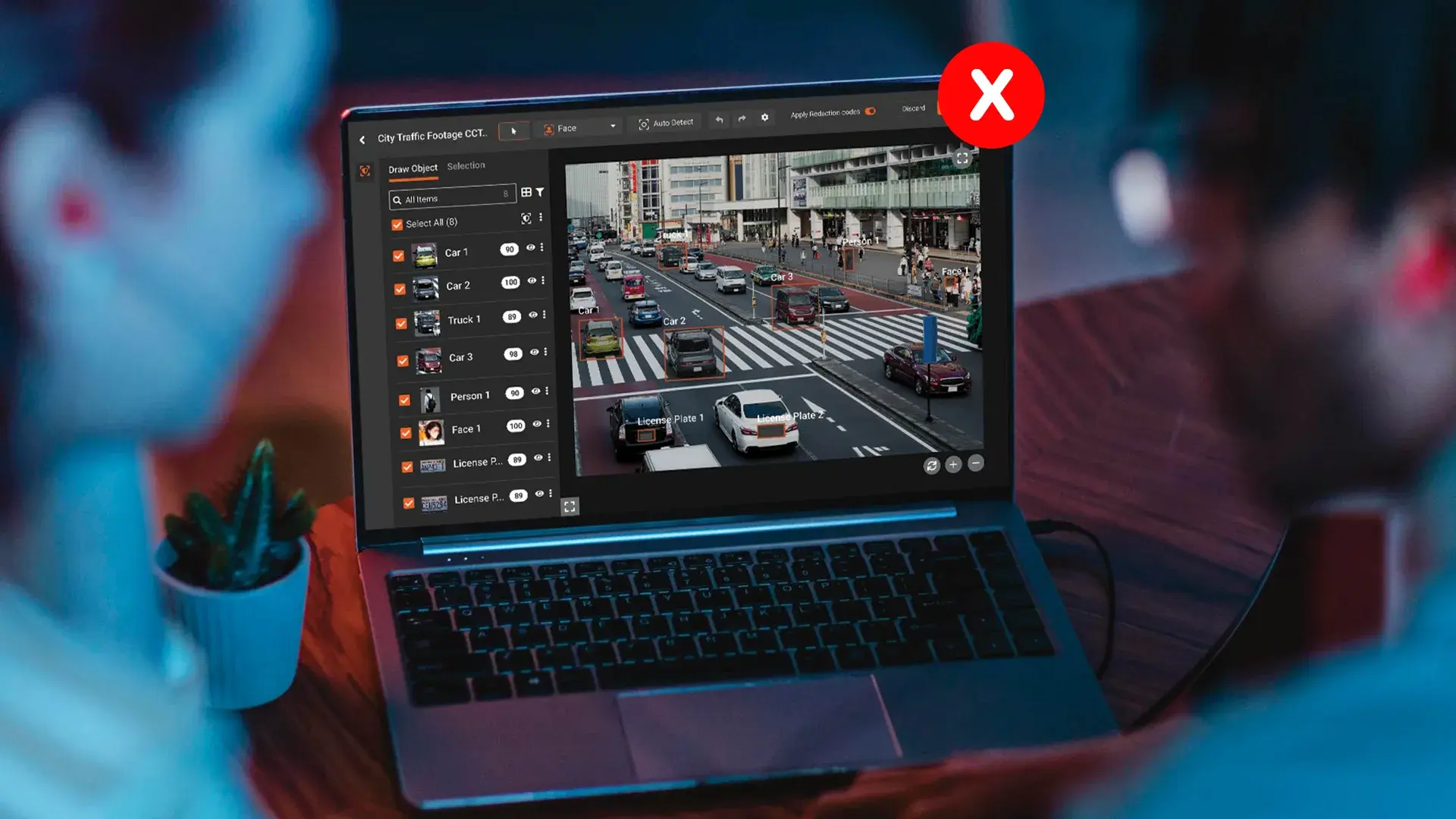
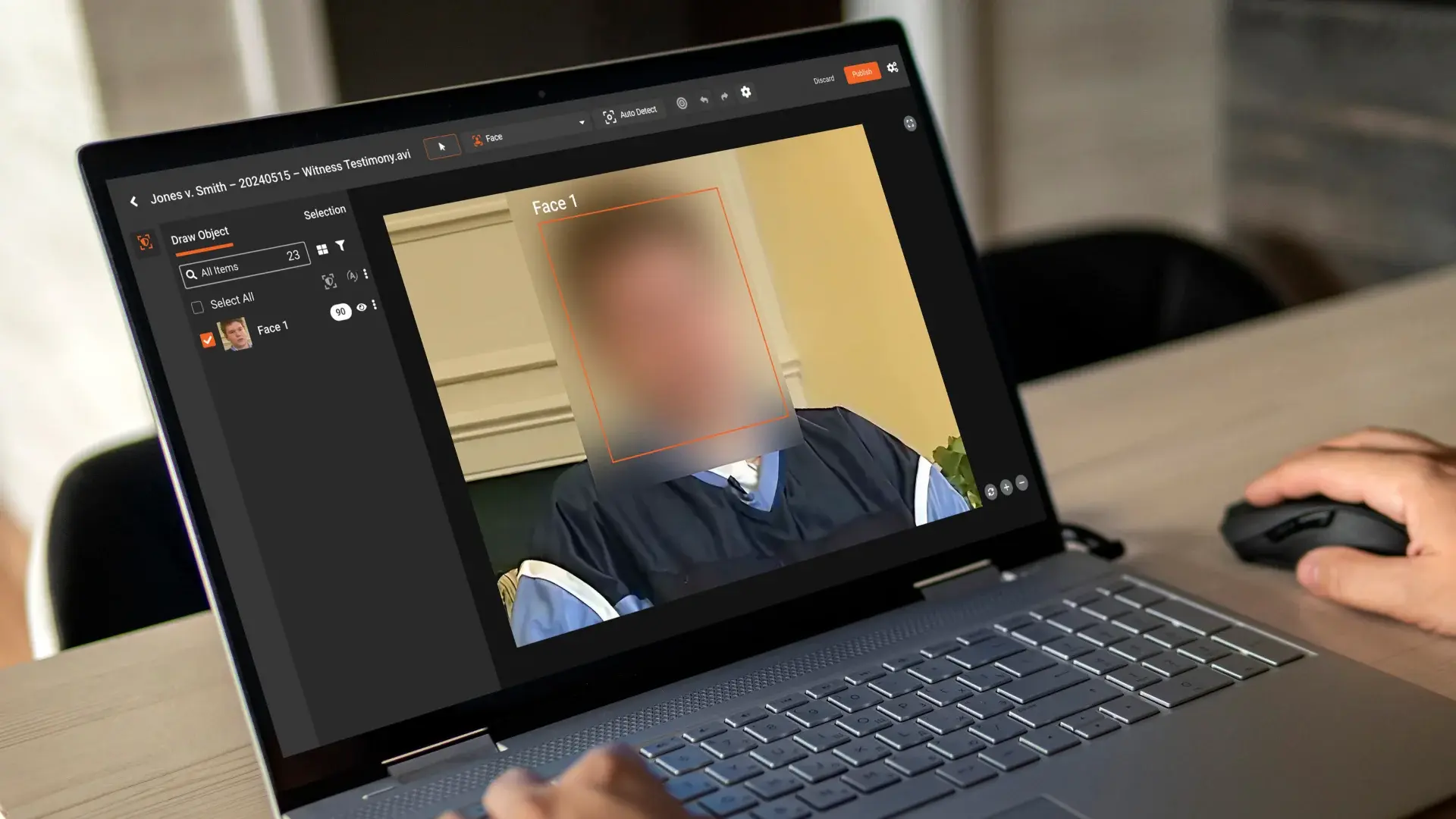
This is where purpose-built redaction platforms, such as VIDIZMO Redactor, are typically used.
VIDIZMO Redactor is designed for scenarios where organizations must:
redact high-volume records (thousands of pages or large data exports),
remove repeating identifiers like license plates, case numbers, or IDs consistently,
handle structured data such as tables, logs, and reports,
and apply review and quality-control workflows before public release.
Instead of relying on one-time manual edits, such tools allow teams to define repeatable redaction rules, verify that sensitive data is fully removed (not just visually hidden), and maintain an audit trail showing what was redacted and why.
For agencies and organizations that regularly respond to public records or information requests, this kind of workflow helps reduce the risk that transparency efforts unintentionally expose private or sensitive data.
The main takeaway
Transparency and privacy aren’t enemies—but they require discipline.
A public-records release can become a data leak not because someone hacked a system, but because the release process didn’t properly remove sensitive information. The recent U.S. incident described in reporting is a strong reminder that redaction is not a minor “final step,” it’s a core safety control. (404media.co)
People Also Ask
What is redaction and why does it matter for public records?
Redaction is the process of permanently removing sensitive information from a document before it is shared publicly. In public records releases, it protects personal identifiers, victim details, and active investigation data. Without proper redaction, a transparency effort can quickly become a privacy violation at scale.
What type of redaction failure exposed millions of license plate records?
The incident was not a hack. It was a process failure where government documents were released publicly without sensitive data being properly removed first. The exposed files contained millions of license plate numbers, timestamps, and law enforcement investigation logs that should have been redacted before release.
Why does manual redaction fail on large document releases?
Manual redaction breaks down when records are high volume, structured, or contain repeating identifiers. A human reviewer can miss the same plate number appearing hundreds of times across a spreadsheet. Some tools also only hide text visually while the underlying data remains searchable and copyable.
How can agencies verify that redaction was done correctly before publishing?
Before publishing any records:
Search the final file for identifiers that should have been removed
Test copy/paste and text search in the exported document
Have a second reviewer run a QA check
Confirm that redaction is permanent, not just a visual overlay
What kinds of information are most at risk in unredacted public records logs?
Audit logs, access logs, and exported databases carry the highest risk. They often contain repeating identifiers like license plates, case numbers, phone numbers, and timestamps that link individuals to investigations. At scale, even partial exposure can put victims, witnesses, and undercover operations at risk.
How does purpose-built redaction software reduce the risk of these incidents?
Tools like VIDIZMO Redactor apply rule-based, repeatable redaction across large volumes of records, so every instance of a sensitive identifier is removed consistently, not just the ones a reviewer happens to catch. They also include QA workflows and audit trails that document what was redacted, when, and why, which manual editing cannot reliably provide.
Zain Noor is a Product Marketing Executive at VIDIZMO with expertise in AI redaction technology. He focuses on how public safety agencies, government bodies, and commercial organizations adopt and operationalize video intelligence at scale.




No Comments Yet
Let us know what you think