How County Law Departments Can Automate FOIL Report Redaction
by Ali Rind, Last updated: April 21, 2026, ref:

TL;DR. County law departments handle FOIL responses across police reports, social services case files, Medicaid records, guardianship filings, and civil litigation simultaneously. Manual redaction at that breadth produces missed PII, missed deadlines, and inconsistent standards. A single automated platform across departments resolves all three.
County law departments occupy an awkward position in the public records landscape. They are not law enforcement, not federal agencies, and not neatly scoped to a single record type. On any given week the department is responding to FOIL requests that span a police report, a Medicaid eligibility file, a guardianship proceeding, a civil litigation production, and a child welfare case record. Each has its own redaction obligations. Each lands on the same small legal team.
This guide covers why county law departments are a distinct redaction challenge, what the risk looks like at volume, how automation fits a county operating model, and why a single redaction platform across departments is more defensible than separate tools per unit.
Why County Law Departments Are a Distinct Redaction Challenge
A city police department's redaction workload is narrow in subject matter and broad in volume. A federal agency's FOIA workload runs under a single statutory framework with centralized policy. A county law department looks nothing like either.
The typical county department simultaneously answers FOIL requests that touch multiple statutory regimes. Police reports fall under New York Public Officers Law §§84-90 with law enforcement exemptions and post-§50-a considerations for disciplinary records. Medicaid records implicate HIPAA and state health privacy law. Guardianship and probate filings carry court-related confidentiality. Child welfare case records carry presumptive confidentiality under state social services law. Civil litigation responses to the county overlap with discovery obligations in pending matters.
The redaction question is never simply "what does FOIL require." It is "what does FOIL require after accounting for every other confidentiality rule that applies to this specific record." The legal analysis is the work. The manual act of executing redaction against the outcome of that analysis is overhead the department cannot afford at rising volume.
The Types of Reports That Require Redaction
The record inventory in a mid-sized county law department typically spans:
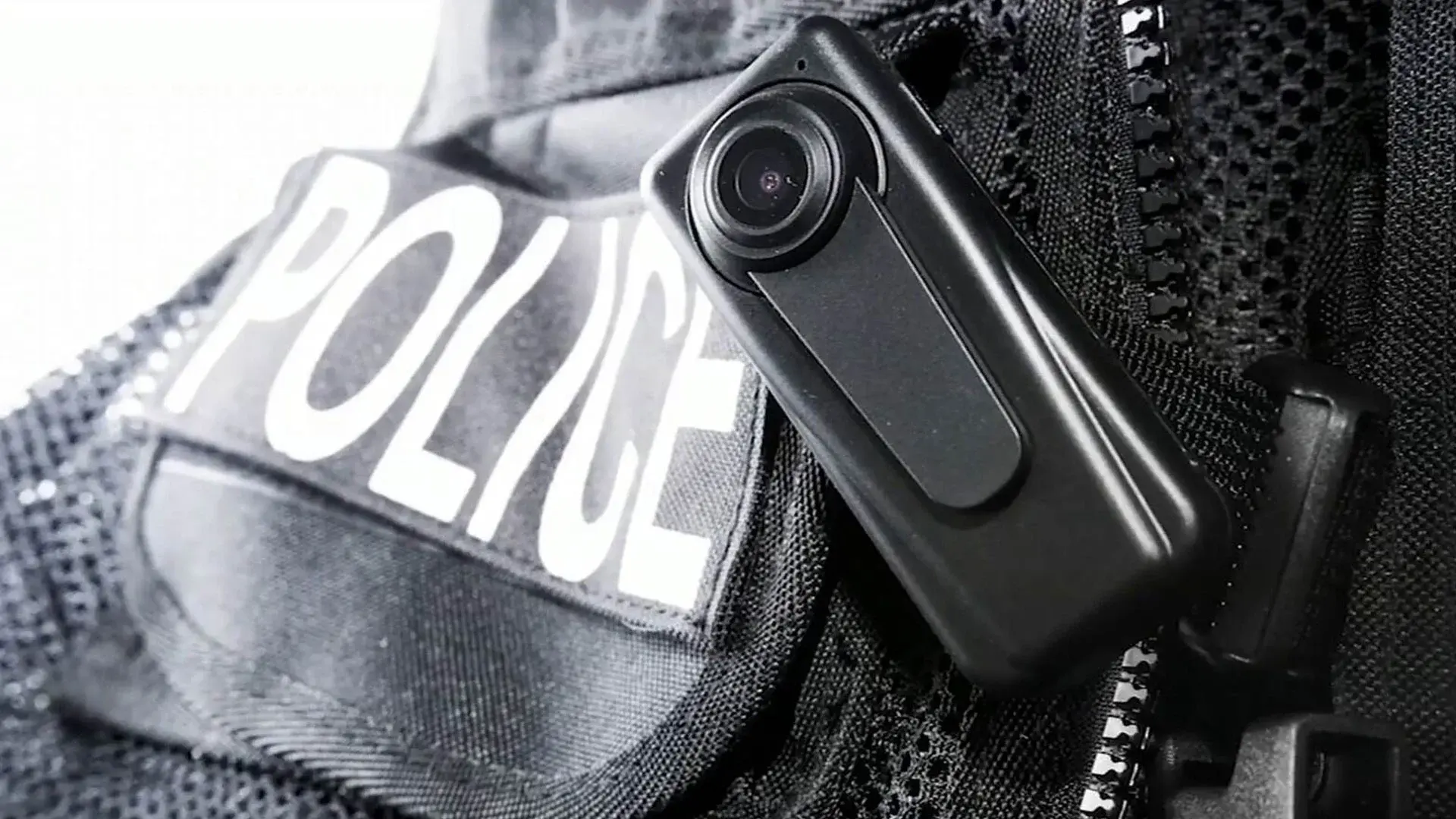
Police reports, arrest records, booking sheets, and supplemental narrative reports. Body-worn camera footage and dashcam footage when the county law department is the custodian of record for FOIL responses across municipalities. Medicaid and public benefits case files responsive to eligibility determinations. Social services case records including child welfare reports, protective services files, and adult guardianship filings.
Civil litigation documents, settlement records, and litigation holds. Board and commission meeting records with attached exhibits. Contract and procurement records touched by PII in vendor submissions.
Each category carries its own redaction checklist. Names of minors. Medical information. Social Security numbers. Law enforcement personnel personal information. Confidential informant identifiers. Protected health information in jail medical files. Bank account and routing information. Dates of birth. Home addresses of protected classes.
A manual reviewer working across all of these has to hold every applicable rule in their head while marking documents. Consistency breaks down past a handful of requests per week.
The Risk of Manual Redaction at Volume
Three failure modes dominate manual redaction in county departments.
Missed PII. The reviewer applies the checklist to the parts of the document they pay attention to and misses PII embedded in attachments, footnotes, scanned sub-documents, and metadata. The release goes out. The subject complains. The county discovers the miss through a litigation demand letter or a press inquiry.
Missed deadlines. FOIL requires a response within a defined statutory window. A county law department handling complex multi-record requests under manual review is regularly making judgment calls about which request gets worked this week and which slides. Under FOIL, sliding has consequences: the requester can appeal a constructive denial, and prevailing FOIL requesters can recover attorney's fees under Public Officers Law §89.
Inconsistent standards across departments. When Social Services redacts one way, the DA's office redacts another way, and the Law Department redacts a third way, the county's overall redaction posture cannot be defended as a system. An appeals officer or a court evaluating a specific release gets a fragmented record of how the county approaches redaction. That fragmentation is a governance problem that outlives any specific request.
All three failure modes stem from the same root cause: manual redaction does not scale to the breadth and volume a county law department carries. For a broader view of how agencies fail and recover, see how government agencies can safely redact sensitive documents at scale.
How AI Automates Detection and Redaction Across Document Formats
AI-powered redaction platforms automate the detection work that manual review cannot match at volume. The platform ingests documents across formats: native PDFs, scanned PDFs through OCR, Word documents, spreadsheets, presentations, and hundreds of other file types. It runs entity detection across the content: names, addresses, phone numbers, Social Security numbers, dates of birth, medical record numbers, financial account numbers, and country-specific identifiers.
The output is not a final redacted file. It is a document with every detected entity flagged for review. The human reviewer confirms the catches, overrides false positives, and adds items the AI did not detect. The reviewer's role becomes judgment rather than detection. Detection is automated; policy is human. This is the only model that is defensible in an appeal.
For handwritten or scanned content common in older county files, platforms with intelligent character recognition handle text extraction from images. Without this step, scanned files either have to be manually re-typed or end up under-redacted when entities embedded as image pixels are missed.
For records that combine document, audio, and video (body camera footage attached to an incident report, recorded 911 calls attached to a case file), a single platform covering all three media types means the reviewer manages one tool for a single response rather than three. See document redaction for government and automated FOIA redaction software for public records for the operational detail.
Audit Trail Requirements for Defensible Redaction
A redacted record is only defensible if the redaction can be explained. In the FOIL context, an appeal typically reaches an agency's records access officer, and contested cases escalate to an administrative appeal and then to Article 78 proceedings in state court. At each level, the agency may be asked to articulate which exemptions supported which redactions.
A defensible audit trail records, per redaction: which entity was detected, which exemption or statutory basis applied, who approved the redaction, and when. The audit artifact is exportable as a supplement to the response and as a record in any subsequent proceeding.
VIDIZMO Redactor logs every redaction action with user ID, IP address, timestamp, and action type. Logs are stored in tamper-proof WORM storage, producing the audit artifact that FOIL appeals processes require.
Automate Redaction Before the Next Deadline
Rising FOIL volume will not retreat. Manual redaction does not scale. Wrongful release carries both financial and reputational cost. County law departments that have moved to automated redaction consistently report faster responses, more consistent standards, and a cleaner audit record when responses are challenged.
Start with the FOIA redaction software for video, audio, and documents overview for the platform-level view. For how federal agencies approach the same problem at scale, see redaction best practices for federal agencies.
FOIL volumes are rising. Manual redaction does not scale. See how VIDIZMO Redactor helps county law departments process more requests, faster, with a defensible audit trail. Request a Demo
People Also Ask
FOIL is New York's Freedom of Information Law, codified at Public Officers Law §§84-90. It applies to state and local government agencies in New York, including counties. Federal FOIA applies to executive branch federal agencies only. The two laws share a presumption of openness and similar exemption categories, but response timelines, appeal processes, and specific exemptions differ. County law departments operate under FOIL, not FOIA.
Police reports, body-worn camera footage, Medicaid case files, social services and child welfare records, guardianship filings, civil litigation documents, and board records. Each record type has its own redaction checklist under FOIL's personal privacy exemption, law enforcement exemption, and applicable statutory confidentiality rules from HIPAA, state social services law, and juvenile justice statutes.
A New York agency must acknowledge a request within 5 business days of receipt. The full response is typically expected within 20 business days, or the agency must provide a reasonable time estimate. Missing these windows constitutes a constructive denial the requester can appeal. Prevailing requesters can recover attorney's fees under Section 89.
The requester can appeal a constructive denial to the agency's records access appeals officer, then to state court through an Article 78 proceeding. Courts can order production, impose costs, and award attorney's fees in cases of bad faith. Recurring missed deadlines can also trigger oversight from the state Committee on Open Government.
Yes. A single platform with departmental tenancy lets Law, DA, Sheriff, and Social Services operate in isolated spaces under consistent tooling and audit artifacts. The alternative, separate tools per department, fragments the county's redaction posture and creates governance gaps when challenged. Procurement is typically handled through cooperative contract vehicles available to county governments.
Common categories include names of minors, Social Security numbers, dates of birth, home addresses for protected classes, medical information, financial account information, confidential informant identifiers, sealed criminal history, and law enforcement personnel personal information. The specific list varies by record type and applicable statutory framework. Social services records carry presumptive confidentiality that reaches identifying information more broadly than other record types.
About the Author
Ali Rind
Ali Rind is a Product Marketing Executive at VIDIZMO, where he focuses on digital evidence management, AI redaction, and enterprise video technology. He closely follows how law enforcement agencies, public safety organizations, and government bodies manage and act on video evidence, translating those insights into clear, practical content. Ali writes across Digital Evidence Management System, Redactor, and Intelligence Hub products, covering everything from compliance challenges to real-world deployment across federal, state, and commercial markets.
Jump to
You May Also Like
These Related Stories

CCTV Redaction for Government Buildings and Public Institutions

Unified AI Redaction: Essential for Government Agencies by 2025

No Comments Yet
Let us know what you think