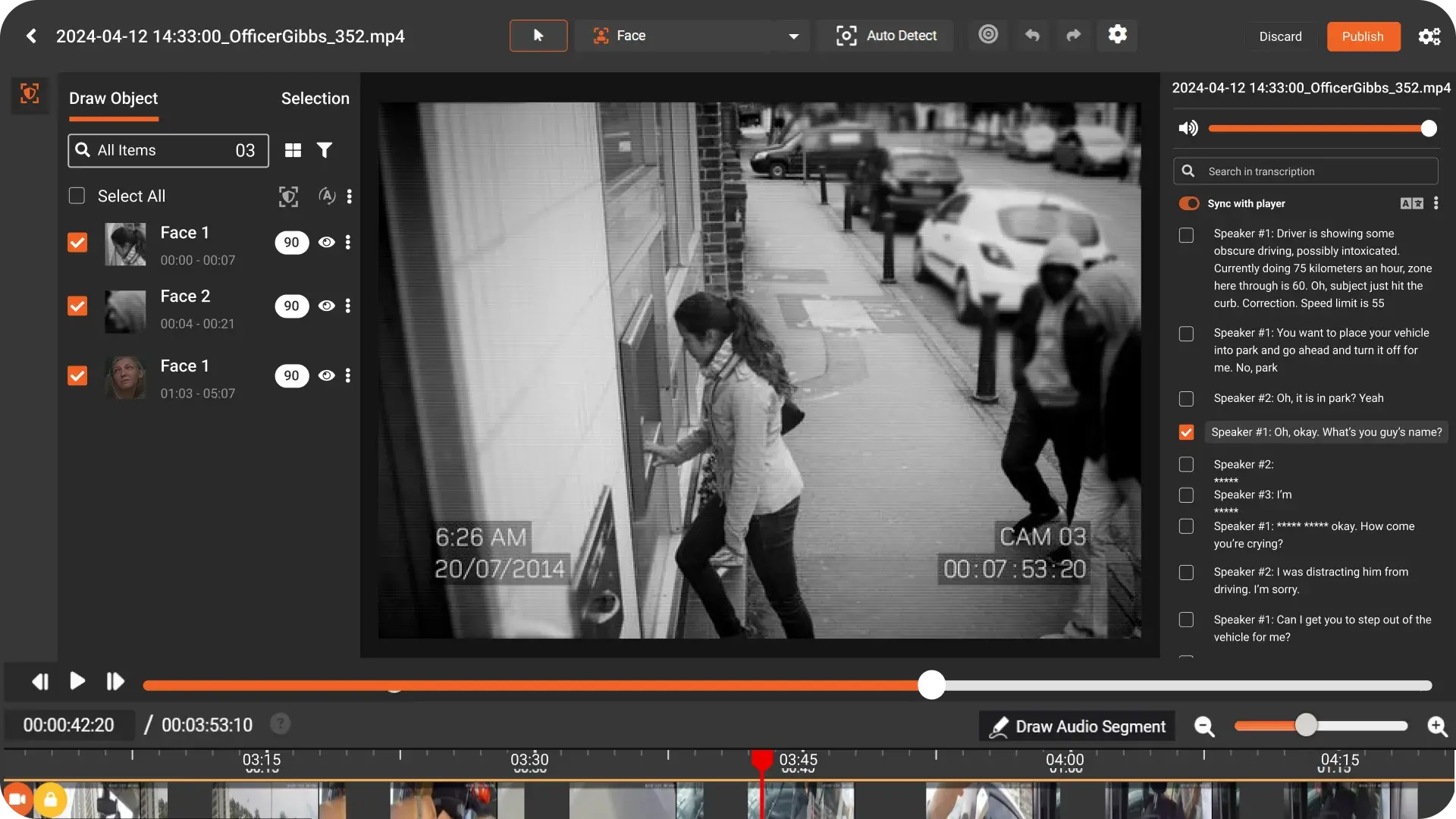
Many organizations begin their video redaction journey by exploring video redaction services. Outsourcing redaction is not a shortcut or a lesser option. For agencies facing their first FOIA request involving body-worn camera footage or a legal team preparing video evidence for disclosure, professional video redaction services are often the most practical first step.
However, video redaction carries operational complexity that other file types do not. A face that enters frame 12 must be tracked continuously through frame 8,400. Spoken PII in the audio track must be detected and bleeped while visual PII is blurred simultaneously. A single hour of body-worn camera footage can require four to eight analyst hours to redact manually.
These characteristics shape when video redaction services make sense and when they stop working. This article breaks down the real decision points, using operational specifics that matter for video rather than generic services-versus-software arguments.
What Are Video Redaction Services?
Video redaction services are outsourced engagements where a third-party provider redacts sensitive information from video files on behalf of an organization.
In most cases, these services involve:
- Manual or semi-automated redaction performed by trained reviewers working frame-by-frame
- Per-video, per-hour, or per-project pricing models
- Delivery of finalized redacted footage back to the organization, typically with a turnaround window
Organizations typically use video redaction services for:
- One-time FOIA or public records disclosure requests
- Legal discovery involving a limited set of video evidence
- Short-term compliance obligations tied to a specific case or incident
The service provider applies redaction based on instructions provided by the organization, masking faces, license plates, screens, or audio segments according to the disclosure scope.
Why Video Redaction Is More Complex Than Document Redaction
Before evaluating when to use video redaction services versus software, it helps to understand what makes video redaction operationally different from redacting documents or images.
Continuous Object Tracking Across Frames
A face in a document appears once. A face in a video appears across hundreds or thousands of consecutive frames, moving through the scene, partially occluded by objects, turning away from the camera, then reappearing. The redaction must follow that face continuously without gaps.
If tracking drops at frame 3,200 and picks back up at frame 3,400, those 200 unredacted frames become a privacy violation. Manual frame-by-frame tracking is where most of the labor cost in video redaction services originates.
Simultaneous Multi-Modal Redaction
Video files contain both visual and audio PII. A body camera recording may show a witness's face while the officer verbally states their name, address, and date of birth. Effective video redaction requires:
- Visual redaction: blurring or pixelating faces, license plates, screens, and identifying features
- Audio redaction: bleeping or muting spoken PII such as names, addresses, Social Security numbers, and phone numbers
These must happen in parallel on the same file. A service provider who handles video but not audio, or outsources audio to a separate team, introduces delays, version control issues, and potential gaps.
Multi-Version Output Requirements
Document redaction typically produces one redacted version. Video disclosure often requires multiple versions of the same footage:
- A public release version with all bystander faces, license plates, and spoken PII redacted
- A court version with witness identities protected but suspect faces visible
- An internal review version with minimal redaction for investigative use
Each version requires different redaction scopes applied to the same source file. With a service provider, each version is a separate engagement, with separate instructions, separate delivery, and separate cost.
When Video Redaction Services Are the Right Choice
Outsourced video redaction is often the most rational decision in these scenarios.
Isolated Disclosure Requests
A single FOIA request involving five body camera recordings does not justify purchasing software, training staff, and building internal workflows. Video redaction services handle the immediate need without upfront investment.
No Internal Redaction Capability
Organizations encountering video redaction for the first time, such as a small municipal police department receiving its first public records request for BWC footage or a hospital needing to redact a security camera recording for litigation, lack both the tools and the expertise. Professional video redaction services bridge that gap without requiring a long-term commitment.
Compliance Deadlines That Cannot Wait
FOIA response windows are typically 10 to 20 business days depending on jurisdiction. If an agency receives a request and has no redaction tools deployed, outsourcing is the only option that meets the statutory deadline.
Backlog Clearance
Agencies that have accumulated months or years of unprocessed video disclosure requests sometimes use video redaction services for one-time backlog reduction while building internal capability in parallel.
Where Video Redaction Services Break Down
The limitations of outsourced video redaction are not abstract. They are operational realities that become visible at specific volume thresholds.
The Cost Curve Inflects Quickly
Video redaction services price by the hour of footage or by the project. Unlike document redaction where per-page costs are modest, video costs are substantial due to the frame-by-frame labor involved.
Consider a mid-sized law enforcement agency generating 500 hours of BWC footage per month. Even if only 10% requires redaction for disclosure, that is 50 hours monthly. At service rates of $150–$400 per hour of footage, the annual cost reaches $90,000–$240,000, and that assumes single-version output with no re-redactions.
Turnaround Becomes Unpredictable
Service providers balance multiple client workloads. When an agency submits 30 hours of footage during a high-demand period, turnaround may stretch from the quoted 5 business days to 15 or more. Statutory disclosure deadlines do not flex with provider capacity.
Chain-of-Custody Complications
Video evidence, particularly law enforcement footage, carries chain-of-custody requirements. Sending footage to a third party creates additional custody transfer points that must be documented.
For agencies subject to CJIS Security Policy requirements, the service provider must:
- Maintain CJIS-compliant infrastructure
- Ensure all personnel with access have undergone background checks and fingerprinting
- Log every access event and custody transfer
- Provide documentation that satisfies court scrutiny
Not all video redaction service providers meet these requirements, and verifying compliance adds evaluation overhead.
Re-Redaction Triggers a Full Cycle
When a FOIA requester appeals a redaction scope, or a court orders broader disclosure, re-redaction through a service means:
- Re-submitting the original footage
- Providing updated redaction instructions
- Waiting through another delivery cycle
- Paying again, often at 50–75% of the original cost
With software, re-redaction means adjusting rules on the existing project and reprocessing. The original detection work is preserved.
No Institutional Knowledge Retention
When a service provider redacts footage, the detection models, redaction templates, and processing decisions stay with the provider. The organization does not build internal capability or reusable workflows.
Each new engagement starts from scratch.
The Transition Point: When Organizations Move to Video Redaction Software
Most organizations do not start with video redaction software. They grow into it when the service model stops scaling.
The transition typically happens when:
- Monthly redaction volume exceeds 20–30 hours of footage, where the cost of services surpasses the cost of software licensing
- Disclosure requests are recurring, not one-off, involving ongoing FOIA, litigation holds, or regulatory reporting
- Multiple output versions are needed, including court, public, and internal versions from the same source
- Re-redaction frequency is high due to appeals, scope changes, or evolving regulatory requirements
- Internal review is required before release, with legal counsel or compliance officers needing to verify redactions before disclosure
- Chain-of-custody documentation must be airtight, and keeping footage in-house simplifies evidence handling
At this stage, the question shifts from "should we redact?" to "how do we build a repeatable, defensible redaction workflow?"
What to Look for in Video Redaction Software
When evaluating video redaction software to replace or supplement services, these capabilities matter specifically for video workloads.
Automated Object Detection and Tracking
The software should detect faces, license plates, screens, vehicles, and weapons automatically and track them continuously across frames, not just detect them in individual frames. Look for configurable tracking thresholds that control how many frames an object must appear before tracking engages.
Audio and Video Redaction in a Single Platform
Avoid tools that handle video but require a separate product or manual process for audio. Spoken PII detection should work in the same platform, with support for multiple languages if your footage includes non-English speakers.
Multi-Layer Redaction Architecture
Each redaction decision should exist on its own layer with independent permissions and visibility controls. This enables multi-version output from a single source file (public, court, and internal versions) without re-redacting from scratch.
Confidence Threshold Controls
AI detection is not perfect. Configurable confidence thresholds (typically 25%–90%) let teams set sensitivity levels. Lower thresholds catch more potential PII but flag more items for human review. Higher thresholds reduce review time but may miss edge cases. The ability to tune this balance is essential for defensible workflows.
Queue-Based Batch Processing
Can the tool process hundreds of videos overnight without an operator at the console? Agencies with large BWC programs need queue-based automation, not file-by-file manual processing.
Audit Trail and Exemption Codes
Every redaction action should be logged, including who made it, when, and under what legal authority (FOIA Exemption 6, Exemption 7(C), HIPAA, etc.). This audit trail is what makes redaction legally defensible if challenged.
Deployment Flexibility
Agencies with CJIS requirements or data sovereignty policies may not be able to send footage to a cloud service. The software should offer on-premises, private cloud, government cloud, and SaaS deployment options with the same feature set.
How VIDIZMO Redactor Supports the Transition Beyond Services
VIDIZMO Redactor is an AI-powered video redaction platform built for organizations outgrowing outsourced services.
- Automated video and audio detection: Detects faces, license plates, screens, vehicles, and weapons in video and 33+ spoken PII categories across 82 languages.
- Multi-layer redaction: Generates public, court, and internal disclosure versions from a single project without re-processing.
- Configurable accuracy: Adjustable confidence thresholds (25%–90%), model size selection, and tracking sensitivity (3–30 frames).
- Batch processing at scale: Queue-based automation tested with over two million recordings.
- Flexible deployment: SaaS, Azure Government cloud, on-premises, private cloud, or hybrid for CJIS, ITAR, and data sovereignty requirements.
- Managed redaction service: Dual QA review option for complex or overflow work alongside self-service software.
Want to see these capabilities in action? Try VIDIZMO Redactor free with your own footage, no credit card required.
Choosing the Right Approach for Your Organization
The decision between video redaction services and software is not ideological. It is operational.
- Video redaction services are the right choice for isolated requests, first-time needs, and urgent deadlines without existing tools
- Video redaction software becomes necessary when volume is recurring, versions are multiple, and costs need to be predictable
- A hybrid model, with software for routine processing and managed services for surge or complex work, serves most organizations during the transition
Organizations that recognize this transition point early avoid the reactive cycle of escalating service costs, missed deadlines, and chain-of-custody complications.
FAQ
Frequently Asked Questions
What are video redaction services?
Video redaction services are outsourced engagements where a third-party provider redacts sensitive information, including faces, license plates, spoken PII, and screens, from video files on behalf of an organization. They typically involve manual or semi-automated frame-by-frame processing with per-hour or per-project pricing.
When should organizations switch from video redaction services to software?
The transition point typically arrives when monthly redaction volume exceeds 20–30 hours of footage, disclosure requests become recurring rather than one-off, multiple output versions are needed from the same source, or re-redaction frequency makes per-engagement pricing unsustainable.
What makes video redaction harder than document redaction?
Video redaction requires continuous object tracking across thousands of frames, simultaneous audio and visual PII detection, and multi-version output for different disclosure audiences. A face in a document appears once; a face in video must be tracked, re-identified after occlusion, and blurred consistently across every frame it appears in.
Can video redaction services handle CJIS-compliant work?
Some providers can, but verification is essential. CJIS compliance requires background checks and fingerprinting for all personnel with access, CJIS-compliant infrastructure, documented chain-of-custody procedures, and access logging. Not all video redaction service providers meet these requirements.
What is multi-layer video redaction?
Multi-layer redaction stores each redaction decision on its own independent layer with separate permissions and visibility settings. This allows organizations to produce multiple versions of the same video (public, court, and internal) from a single redaction project, without re-doing the detection and tracking work for each version.
Does VIDIZMO offer both video redaction services and software?
Yes. VIDIZMO provides AI-powered video redaction software for organizations that handle redaction internally, and a managed redaction service with dual QA review for organizations that prefer outsourced or hybrid workflows. Both options support the same file formats, PII detection capabilities, and compliance standards.
TopicsRedaction
About the author
Hassaan Mazhar is a B2B SaaS content strategist at VIDIZMO specializing in AI redaction, compliance technology, and enterprise content marketing. He builds trust-driven narratives for legal, public sector, and enterprise audiences navigating data privacy and video intelligence challenges.
You may also like
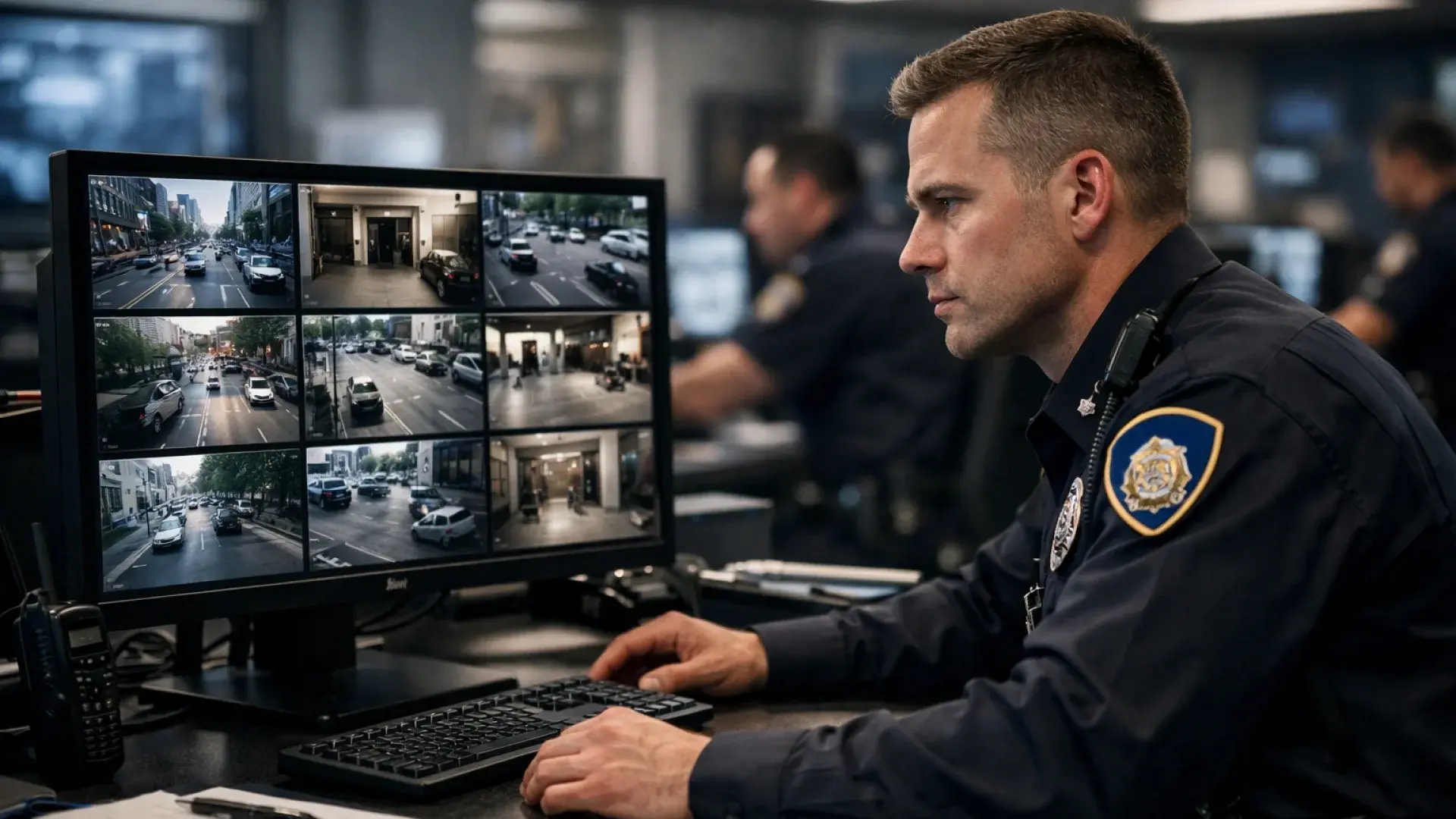
Video Redaction Best Practices: Motion, Frame Rates, Tracking and Failing Safe
I led our video redaction project for a county public safety agency where two people handled every disclosure, and ...
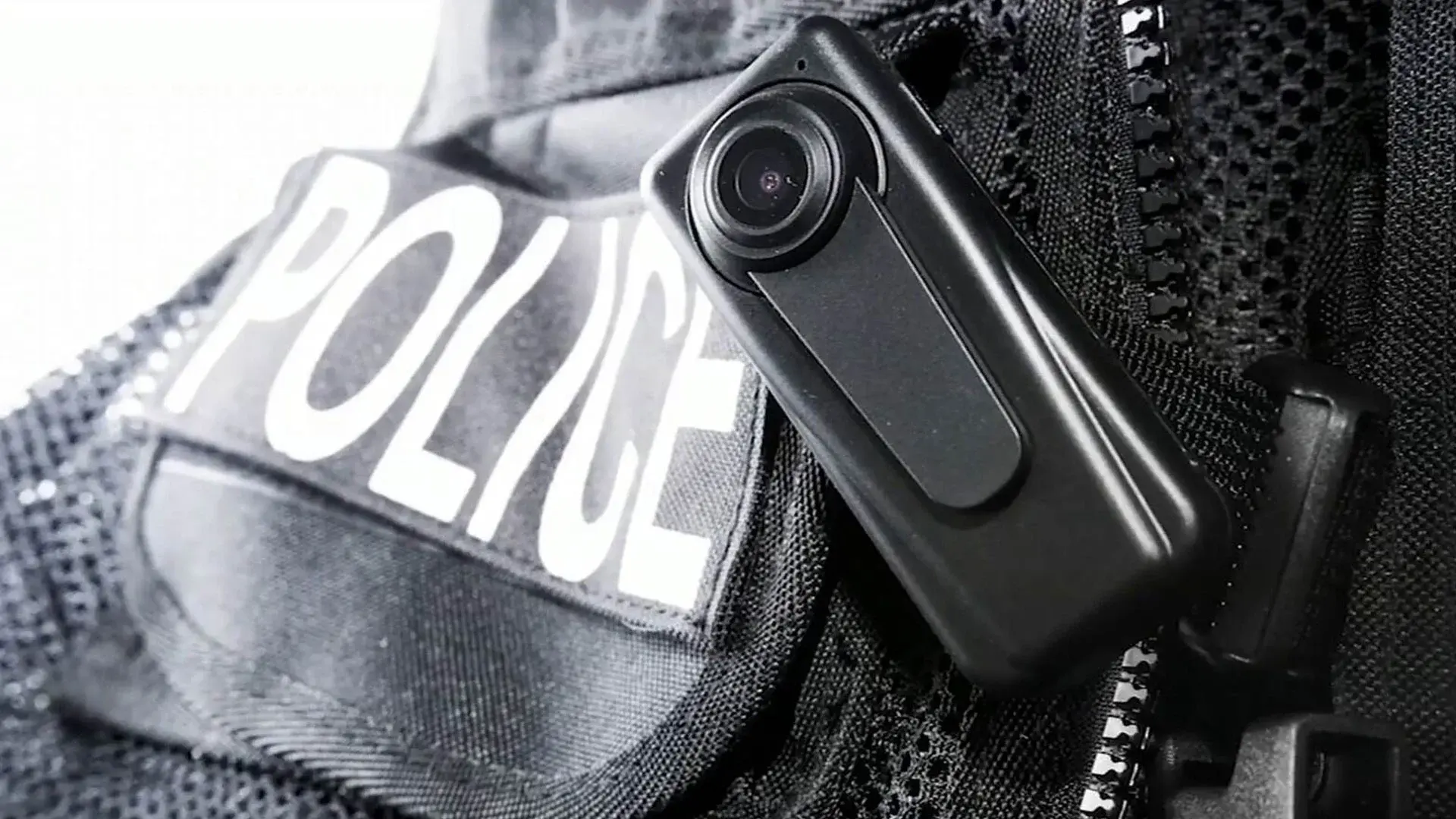
Redacting Dash Cam, Body Cam and Drone Footage From a Moving Camera
A fleet claims manager preparing crash footage for an insurer and defense counsel is doing a different job from a ...
Why Frame-Rate Headers Lie: Redacting Variable Frame Rate Video
A video file keeps time frame by frame, and the frames-per-second figure a player displays is a summary of that timing, ...